Clinical
Public-private partnership helps support pet and human health
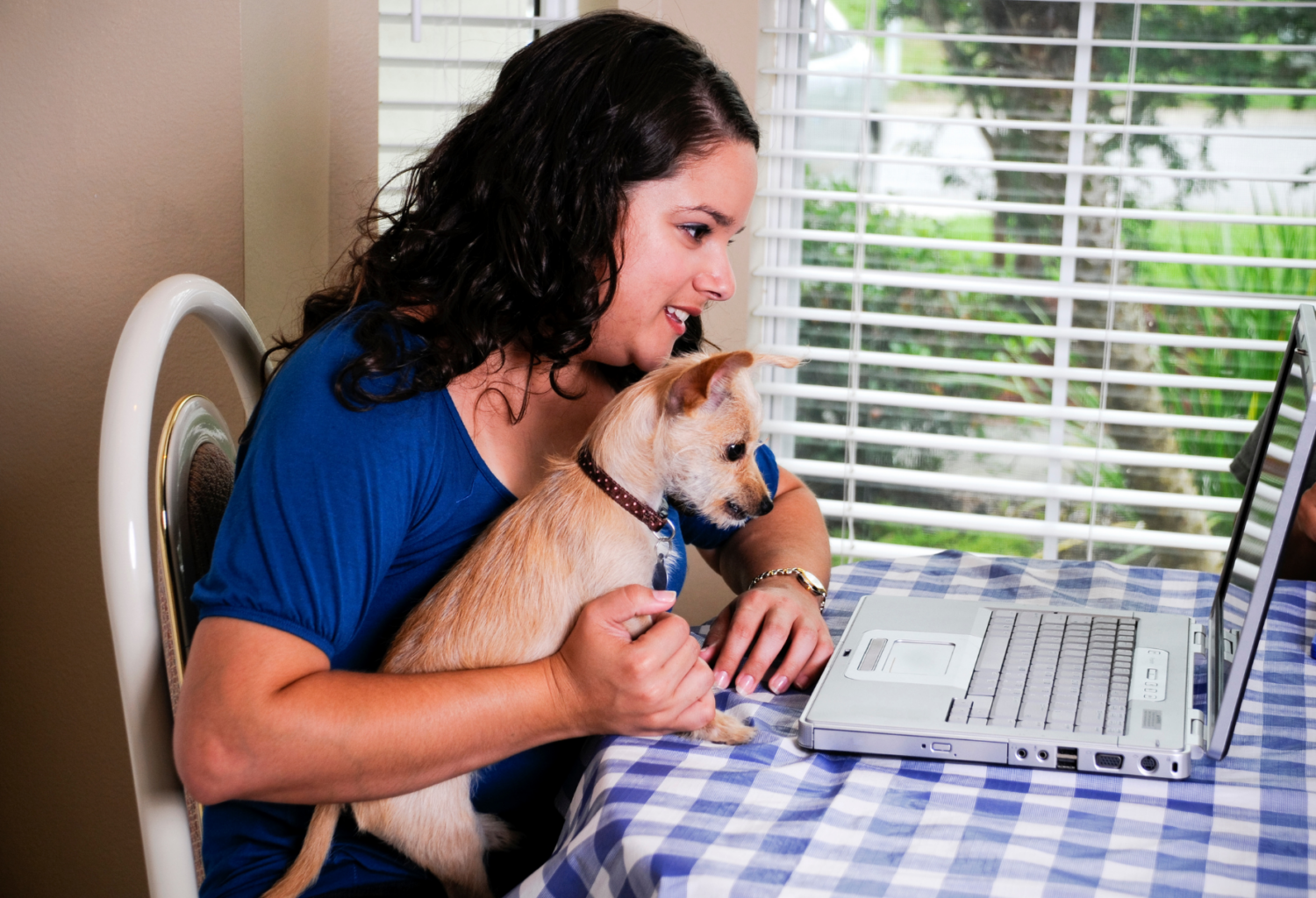
Created during the COVID-19 pandemic, the Pet and Public Health Early Warning and Detection System has served as a way to disseminate information about the H5N1 influenza epizootic and the canine infectious respiratory disease outbreak and aims to help identify new threats to animals and human health in the future.
Advertisement
The COVID-19 pandemic has reshaped our world in so many ways, and the animal health industry has not been exempted from its effects. From the COVID pet boom to curbside veterinary care, veterinary teams and the industries that support them have had to find new ways to keep pets and their families safe and well-informed.
One of the products of these endeavors is the Pet and Public Health Early Warning and Detection System, an initiative created by Trupanion pet insurance in collaboration with the Centers for Disease Control and Prevention (CDC) One Health Office, the American Veterinary Medical Association (AVMA), and a panel of experts from industry, academia, and the private sector.
Advertisement
How it came to be
Casey Barton Behravesh, MS, DVM, DrPH, DACVPM, Director of CDC’s One Health Office, is a member of the Pet and Public Health Early Warning and Detection System advisory committee and spoke to the differences in disease detection and monitoring between companion animals and other species. “The United States has mechanisms in place to rapidly identify illness and disease impacting humans and even production animals,” she said, “but there is a noticeable gap in the tools needed to identify those diseases that affect companion animals.”
This information gap, and questions that pet owners and veterinary professionals raised about the risk of COVID-19 transmission between pets and humans, led Trupanion to look for ways to bring experts together and disseminate the latest information to the public and members of the animal health industry.
According to Steve Weinrauch, BVMS, MRCVS, Chief Product & Veterinary Officer at Trupanion, to “help bring comfort amidst the widespread uncertainty” during the COVID-19 pandemic, the pet insurance company produced a series of webinars presented by experts in public health to an audience of over six million viewers.
The success of these webinars led to the formation of the Pet and Public Health Early Warning and Detection System as a collaborative advisory board to close gaps in information sharing about the risks of spread of infectious disease between companion animals and from companion animals to humans.
How it works
Weinrauch explained that Trupanion utilizes anonymized pet data obtained from their Veterinary Portal technology used in more than 11,000 veterinary hospitals in North America to authorize and pay for veterinary care for pets covered by their plan to identify trends in animal health and illness based on variables such as breed, age, and geography. They share this data with the other partner organizations comprising the advisory board so that, together, they can identify and respond to threats to animal and human health quickly.
“By aggregating invoice data from numerous veterinary practices, we can identify subtle trends and potential threats that might go unnoticed at an individual clinic level,” he said. “This collective intelligence is crucial for effective early warning.”
While the system was created in response to the COVID-19 pandemic, much of the focus has recently turned to the H5N1 Bird Flu outbreak. Trupanion and CDC hosted an informational webinar covering H5N1 influenza to provide background information on the virus and implications for companion animals and veterinary teams. Another area of focus has been the “mystery” canine respiratory disease outbreak, Weinrauch said.
Members of the public and veterinary professionals can sign up for pet health updates via email at petpublichealth.org. All those who sign up for email updates can access free on-demand RACE-approved webinars. Updates are also disseminated via social media (on Trupanion’s LinkedIn, Facebook, and Instagram channels), news outlets like the New York Times, and through “key partners,” including CDC, Boehringer Ingelheim, Mars Science & Diagnostics, Morris Animal Foundation, AVMA, and International University Systems.
Closing the gap with pets
Weinrauch said to accomplish its intended goals, the system needs to collect as much pet health data as possible to draw accurate conclusions. “Every invoice we receive helps us paint a clearer picture of pet health,” he said, and he is actively encouraging veterinary practices to download and use Trupanion’s VetPortal software to add to the aggregate pet health data.
Barton Behravesh stressed how important it is to closely monitor infectious diseases that may infect pets, not only from the standpoint of reducing the risk to pets themselves, but also to recognize any signs of disease that could spread from pets to other species, including humans. “If we aren’t addressing pet health as part of our One Health surveillance efforts, we have a blind spot that puts people, farm animals, and wildlife at risk for further disease spread,” she said.
Closing this gap can keep communities healthier, since pets can serve as a “connection point” between people, wildlife, and farm animals. Given the billions of interactions between people and pets every day, Barton Behravesh said, this should be a priority for us all. “Healthy pets make healthy people.”
Photo credit: EMPPhotography/iStock via Getty Images
Disclaimer: Trends™ content is meant to inform, educate, and inspire by providing an array of diverse viewpoints. Any content published should not be viewed as an official stance, position, or endorsement by the American Animal Hospital Association (AAHA) or its Board of Directors.
