Clinical
Reimagining post-surgical confinement
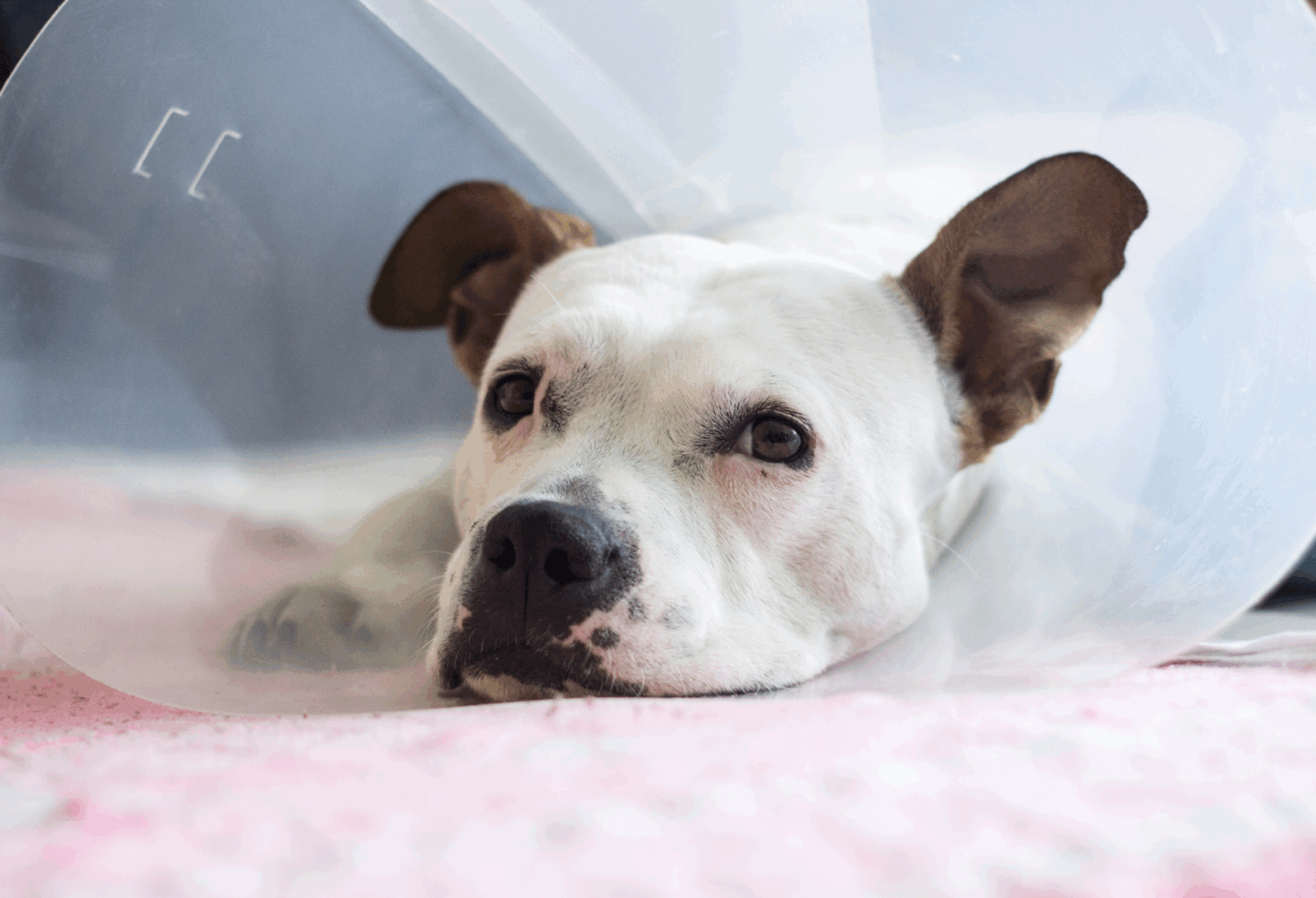
How do you instruct your clients to manage pets who require confinement after surgery? If your post-surgery plan focuses solely on restriction without considering enrichment opportunities, you (and your patients) are missing out. Enrichment during post-surgical confinement does more than simply manage behavior. It is an opportunity to provide more complete, compassionate care.
Advertisement
When a dog or cat wakes up after surgery, they do not understand what has happened to them. One moment, they were running, playing, or curled up in a warm spot by the window; the next, they awake to find they’re confined, restricted, and confused. Their needs for movement, stimulation, comfort, and connection remain, but the world around them has suddenly shrunk.
For veterinary professionals, the post-surgical period often focuses on the technical and medical aspects of recovery. That’s crucial, but in the meantime, the animal and their family may be struggling to cope with their new restrictions. This is when veterinary advice can be especially valuable, helping to guide families through this vulnerable time, not only with medical care, but with strategies that support the animal’s emotional and behavioral needs.
Advertisement
One approach: Rather than looking at this period of confinement as something to be endured, think of it as something that can be enriched.
With the right tools and a shift in perspective, recovery becomes smoother—and the relationship between people and their animals grows stronger. As Anne Rogers, BSc (HONS), RBT, LLA, CAP3, said, “Giving the dog skills to be successful, to flourish in their world. That’s what enrichment is.”
How enrichment during post-surgical confinement improves outcomes
The connection between stress and healing is well documented but often overlooked. “If the dog or cat is anxious and nervous about being in the hospital, they might be a candidate for the use of anti-anxiety medication along with the pain medication,” said Wailani Sung, DVM, DACVB.
She knows that getting an animal out of the hospital setting as quickly as possible is the best option, so while the correct medication can help with that, she stresses that enrichment remains essential.
“When animals are stressed, especially in the clinic in the hospital, there’s an elevation in cortisol and adrenaline, and that cortisol is going to be detrimental to the speed of their recovery… They increase their risk of sepsis, increase the risk of failure for healing, reduced healing, [and] slowing healing,” she explained. “If we’re addressing the pain, we can speed up the recovery so they can leave. We can also help them with enrichment, and there are many toys out there that have big openings where you can stuff it with treats, and kibble, and then seal the opening with something sticky like peanut butter, spray, cheese, or even a prescription canned food.”
Still, the best approach is to help pets become comfortable with confinement before their movements need to be restricted.
Prehab as prevention
Introducing a proactive strategy is sometimes referred to as “prehab.” It involves gradually helping animals learn that confinement can be safe and even enjoyable. It is especially effective when introduced well before surgery becomes necessary.
Introducing crate or carrier training long before it is ever needed is one of the most valuable forms of prehab veterinarians can recommend. While many people introduce their puppies to crates early on, cats are often left out of this essential preparation.
“It would be ideal if people could start crate training or carrier training their cats to get the cat comfortable with being confined,” said Sung, who encourages veterinarians to talk to their clients about this kind of training early on. “Not to say we’re going to confine them in a carrier in the hospital or at home, but I think the process of getting them into the carrier is very stressful for a lot of cats.” Using positive reinforcement, or even working with a trainer or behaviorist, can turn this training into an enjoyable bonding experience for these families.
Rogers, vice-chair of the Irish Veterinary Behaviour Association, is an internationally recognized expert in canine enrichment and the creator of the popular “100 Days of Enrichment” campaign. She’s seen firsthand how preparation can transform the confinement experience.
When her own dog, Decker, needed medical rest, his previous experience with enrichment made all the difference. “We had actually been preparing for this for his whole life. Despite all the worry and concern, it was absolutely the nicest period. He had a great time.”
Helping clients give comfort
All pet caregivers want to do what they can to keep their pets calm and comfortable during recovery, but few know exactly what to do. Veterinary professionals have a unique opportunity to provide them with guidance on the right steps to take.
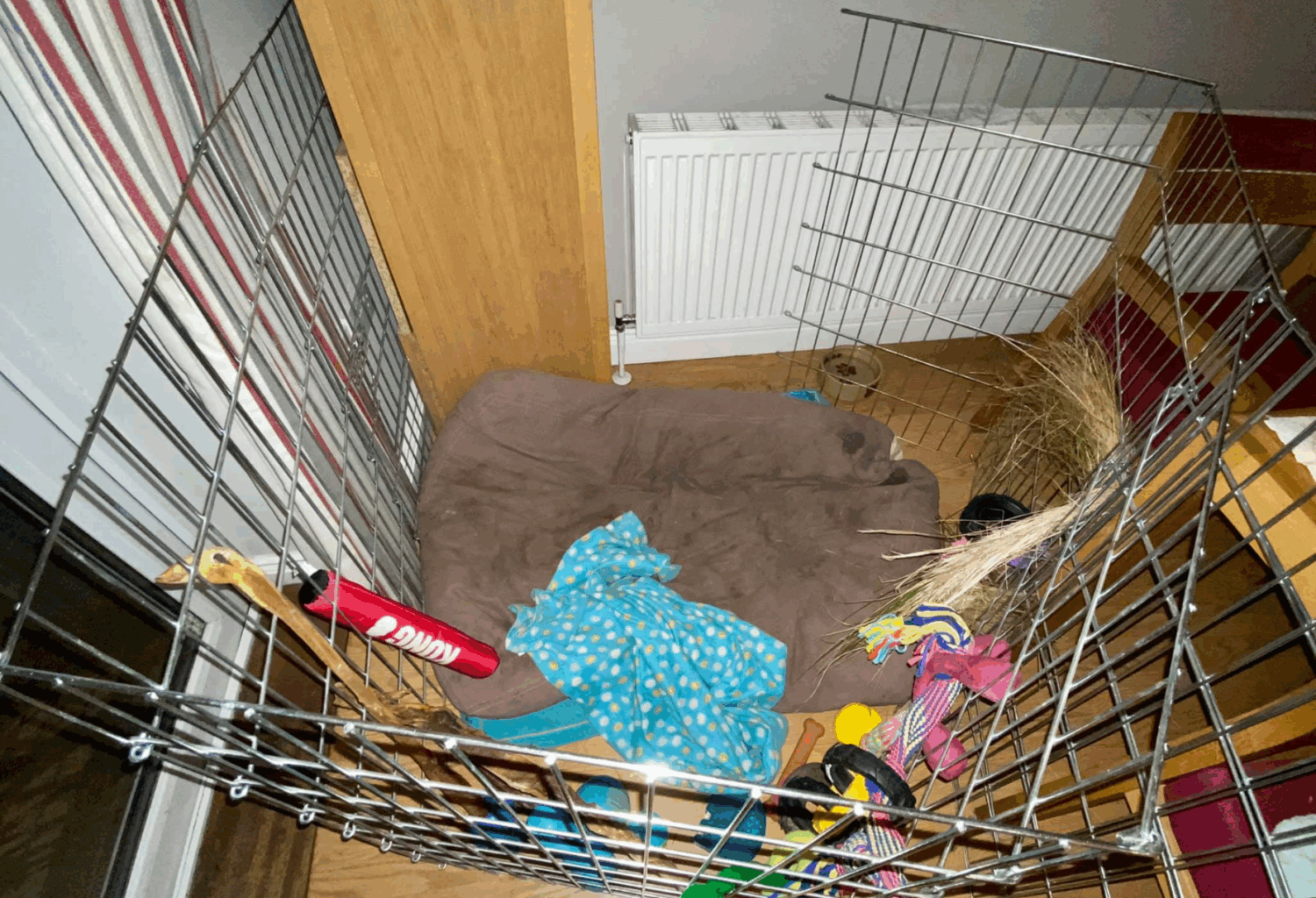
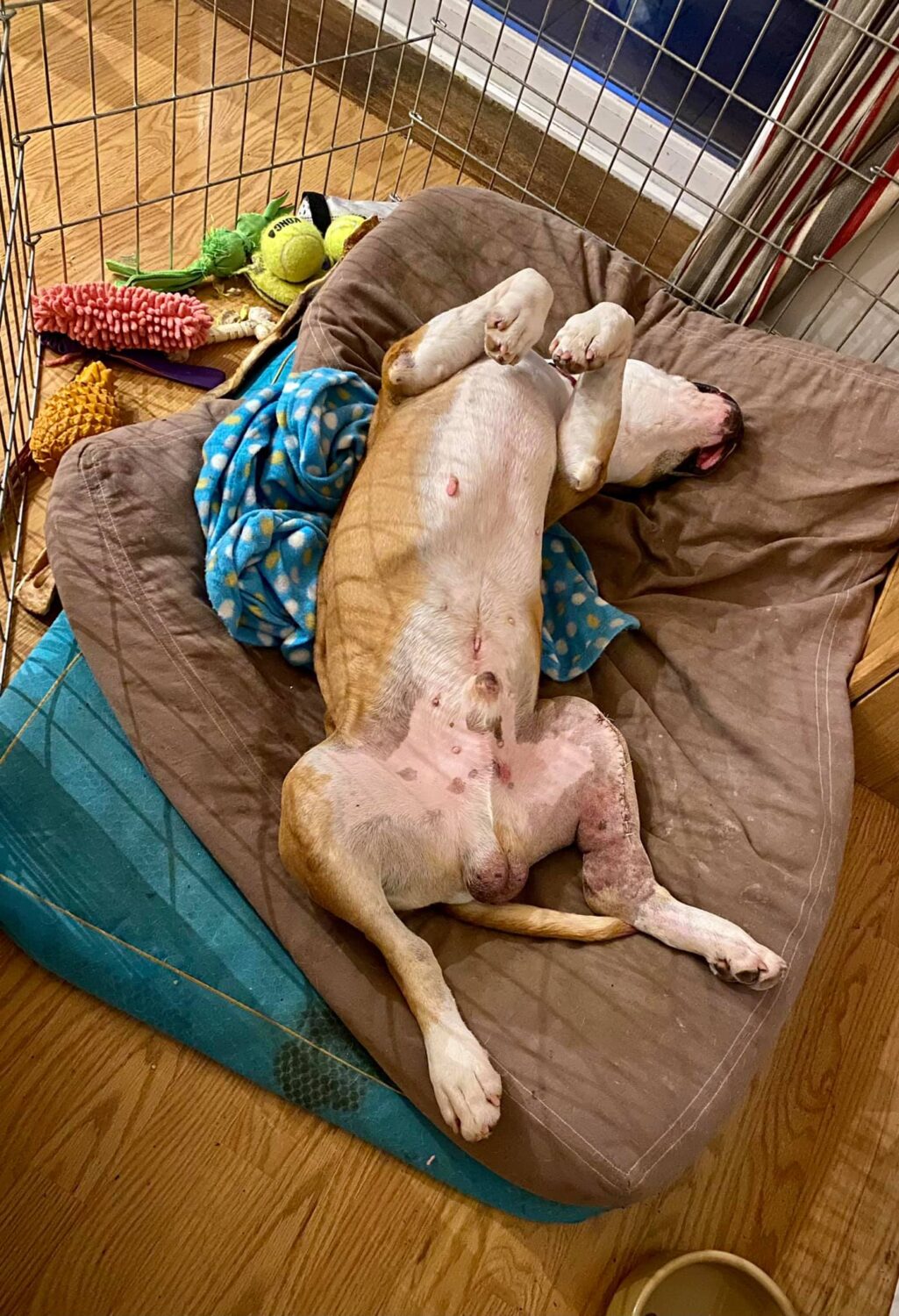
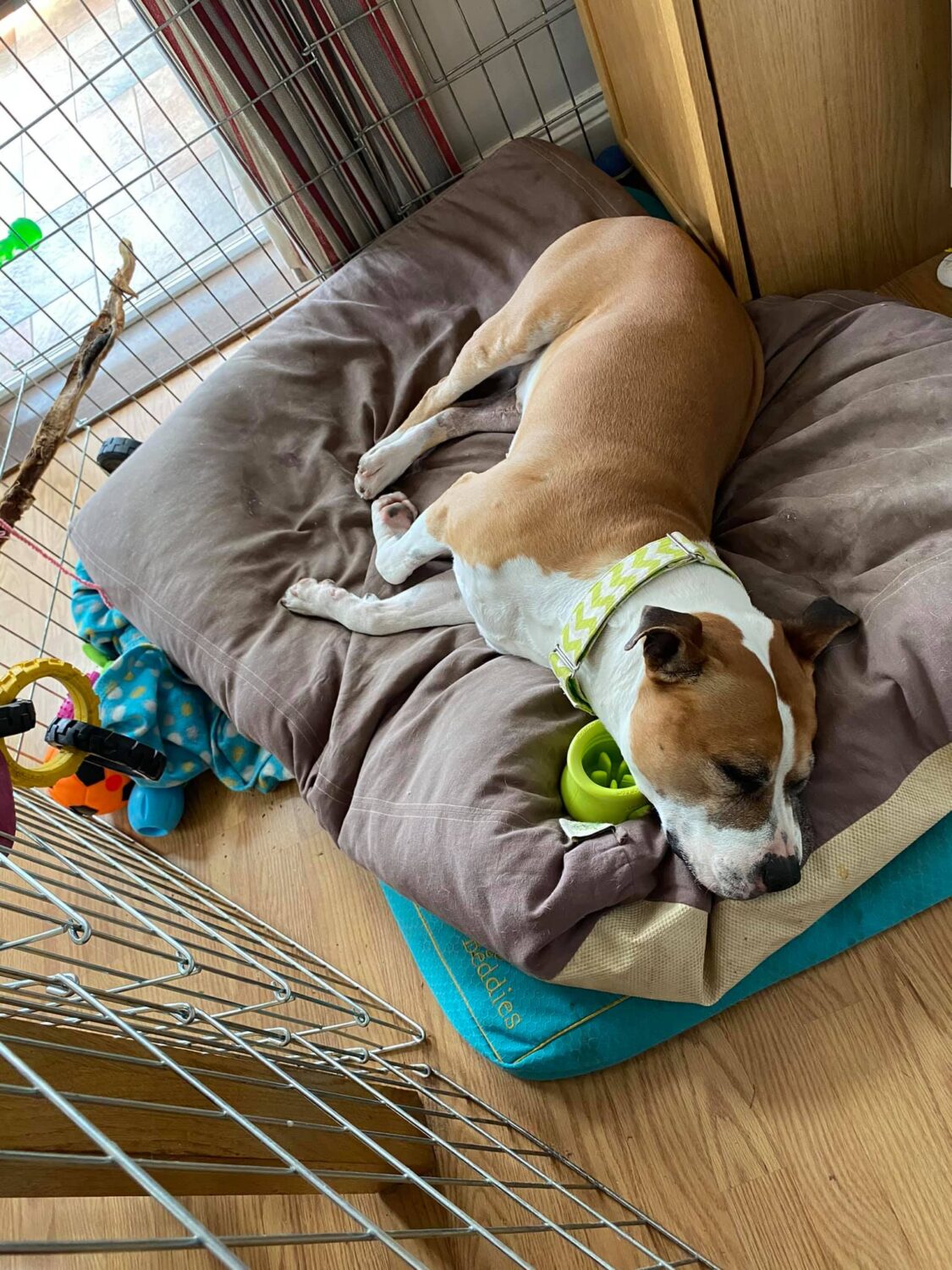
One helpful technique is for pet parents to introduce larger confinement areas such as exercise pens early and positively, especially with dogs. “I think the easiest one to introduce is an X pen with panels that are all joined, and you can shape [them],” Rogers said. “There are no roofs, so they are easier for dogs [who] are sensitive to confinement.”
She emphasizes that the recovery environment should be tailored to the individual animal, especially for dogs who seek physical closeness. “Movement is medicine, so we don’t want them completely still. You can put a big, padded bed in [the confined area], which is important for dogs who need a lot of physical contact.”
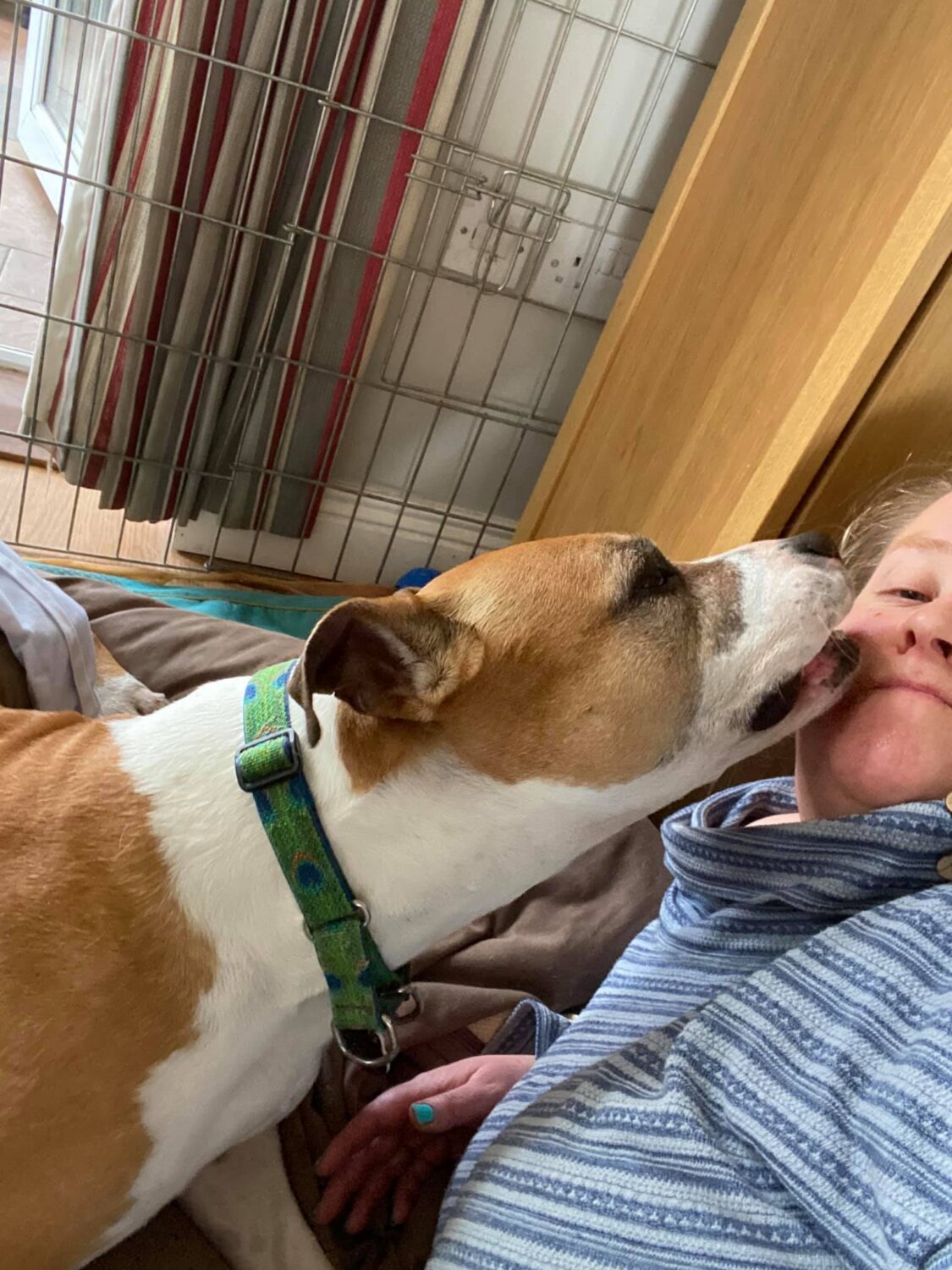
It may also be helpful to suggest clients use a larger pen that allows a family member to sit with the dog, which can provide the connection these animals crave while also reducing the risk of injury. Rogers notes that dogs who are very attached to their people may be more likely to jump up or climb onto furniture in search of comfort, potentially compromising their recovery.
When it comes to cats, it can be easy to misread feline body language—and doing so may lead pet parents to offer less comfort, said cat behaviorist Jane Ehrlich, ACBC. “Don’t mistake stillness for contentment. It could be learned helplessness.” she said.
She recommends short periods of attention given more frequently, focusing on comfort and the things the cat enjoys. “Give attention in 15-minute periods throughout the day and give your cat the food he adores.”
Food puzzles and other fun ideas
Rogers also stresses the importance of getting families to familiarize their pets with enrichment toys before surgery. Introducing a toy for the first time during recovery, when the pet may be feeling unwell or stressed, can be counterproductive.
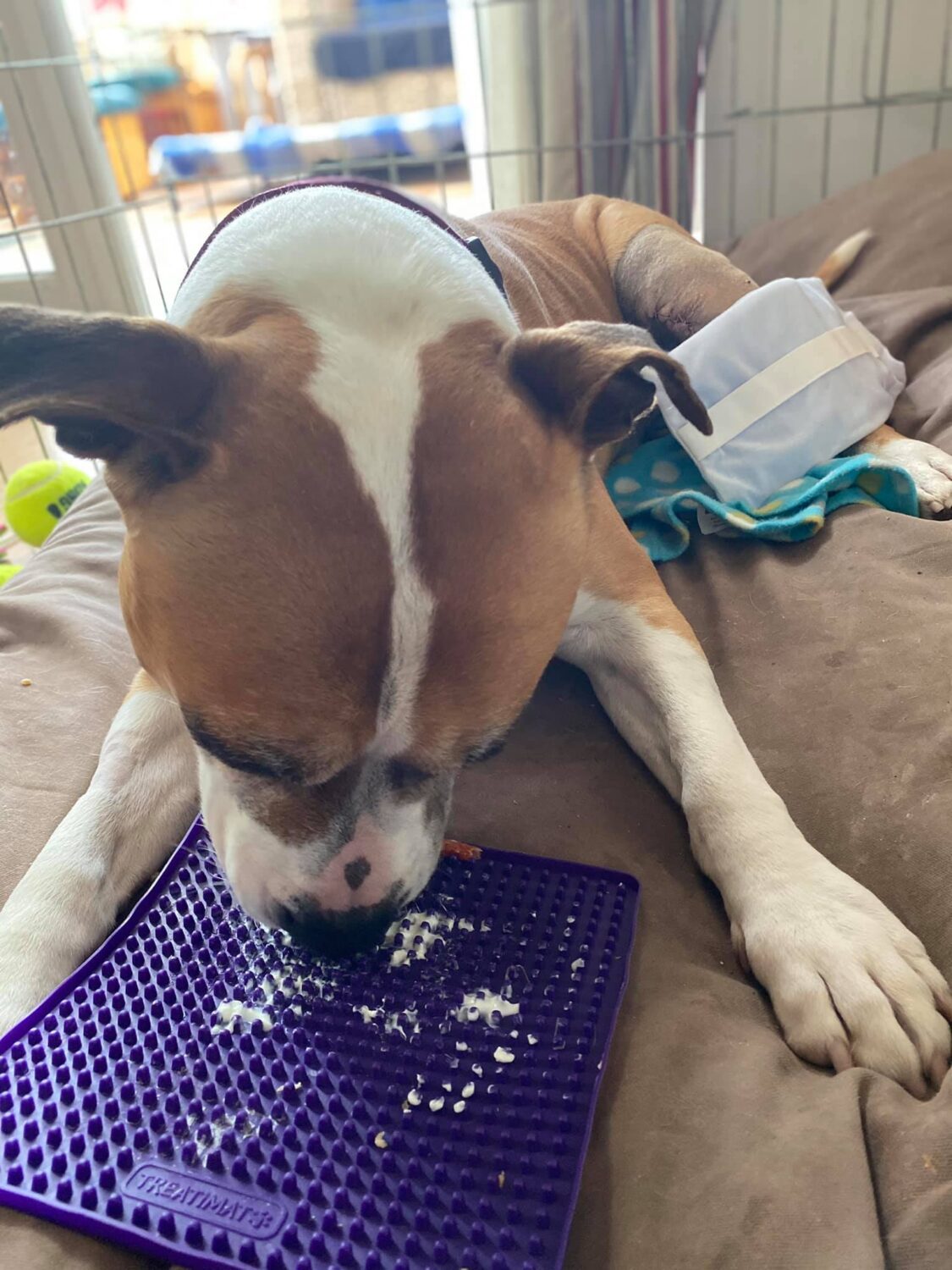
“One of the things that I would encourage carers to do is to make it really, really easy. So rather than giving the dog a whole stuffed toy that’s frozen solid and really difficult to access, put peanut butter or cottage cheese on the outside so that they just lick it off,” Rogers said. “Make it really high value and really easy because we want them, when they see this thing, to know exactly the behaviors they need to use with this particular toy. The thing is, you can always increase difficulty, but it’s very difficult to get them interested once they’ve been turned off.”
Food-based enrichment is a low-effort, high-reward strategy. However, it must be carefully managed to avoid overfeeding and frustration and you want it to last as long as possible.
By using smaller-sized kibble, clients can give their dogs more enrichment without worrying about weight gain. “Look at getting small-breed kibble of their regular food so you have more pieces to scatter. Use low-fat options like zero-fat soft cheese for licking mats,” said Rogers. “Split their meals into multiple enrichment activities instead of one bowl.”
Sung suggests encouraging clients to be creative to make meals last longer. “Use a maze toy. Put in a light layer of low-fat, low-sodium chicken broth or beef broth, put some kibble on it, and freeze it. When I take it out for mealtime, I’m going to put a fresh layer of food on top of it. So, the dog eats the food initially and then they have to lick the frozen food and defrost it.”
Ehrlich underscores that the value of food puzzles goes beyond distraction. “I really am a big fan of food puzzles for cats. It keeps them engaged in a positive way.” She urges both clinics and clients to use them, saying that slowing their eating reduces the risk of stress-related vomiting. She explains that families can get a cat used to using a food puzzle at home; then, when the cat has to be hospitalized, they can send the puzzle to the clinic with the cat.
Other practical tips
Certified professional dog trainer Jennifer Fitzpatrick, CPDT-KA, FFCP, stresses the importance of preparing dogs early with other practical life skills. She believes that one of the most useful is to teach dogs to eliminate on leash and in unfamiliar settings.
“They need to be prepared. We need to walk them out to the yard and have them potty. If you have worked in a clinic, you will understand what it’s like to be outside waiting for 74 minutes and the dog won’t go to the bathroom,” she said. Fitzpatrick’s own clinical experience highlights how a lack of preparation can frustrate staff and complicate care.
Fitzpatrick also recommends desensitization and counterconditioning to medical equipment, especially the Elizabethan collar. “Teach the puppy how [to allow you] to put on and off an E-collar, how to walk around with one. Start at their first appointment when they walk in at 8 weeks.”
Scent-based enrichment should be prioritized for the wellbeing of hospitalized cats, particularly in multi-cat households. Sung recommends that veterinary teams advise clients on managing scent-related stress when reintroducing a cat that has been hospitalized.
She explains one practical strategy to reduce the risk of conflict caused by unfamiliar smells. “If I’m going to go pick my cat up, I’m going to rub my face, rub my hand. I’m going to rub my other cat and then I’m going go to the hospital, and I’m going to rub my cat all over in advance. Then when I get home, I’ll do the same thing again before I let the cats sniff each other.” This type of scent transfer can help smooth the transition.
Resting the body, engaging the mind
Confinement offers an opportunity to support animals with appropriate sensory input to keep their minds and bodies engaged—safely. Fitzpatrick warns about the behavioral fallout that can occur when animals’ psychological needs are not being met during confinement. “When you cage rest them, their brains go bonkers,” she said. “This is when you get vocalization. This is when you get self-destruction.”
Rogers recommends clients use specific, safe activities to keep dogs mentally active. “Teach simple targeting games. Nose touches, paw touches, hip targeting, even gentle tugging lying down (after sutures are out) can be a great way to engage them safely.”
She also recommends sensory rotation. “Bring the outside in. Get people to pick grass or plants from places the dog loves and bring them back for him.” She explains that clients can do simple things to make the confined space more interesting for the dog. “Rotating toys, placing them and hanging them differently, using 3D space. Dogs love to use their noses at different levels.”
Cats’ innate predatory nature means they are highly stimulated by visual movement, making this type of activity mentally enriching during recovery. Sung suggests offering them a suitable outlet for this. “Having a little bird feeder outside the window and having them situated by the window can be entertaining.” For cats who are especially visually engaged, she adds, “If your cat is visually active, those iPad games for cats are really fun.”
Make hospitalization feel familiar (or at least less scary)
Even in the most time-pressured settings, a moment spent thinking about the animal’s comfort can make a tremendous difference to their recovery.
For cats, who thrive on consistency, predictability, and control, post-surgical confinement (especially in the clinic) can be particularly stressful. Ehrlich provides easy-to-remember insight that can be shared with clients. “Cats hate the three terrible Cs. They don’t like change, they don’t like not being in control, and they don’t like not having choice.”
To help reduce anxiety, Ehrlich recommends recreating a sense of familiarity in the clinic whenever possible. Simple strategies such as using the cat’s own bedding or carriers, maintaining routine feeding schedules, and minimizing handling can all contribute to a more tolerable and enriched experience.
In emergency situations, preparation is not always possible. So, what can a veterinary professional do to minimize stress? “Call the owner and ask, ‘What comforts your cat? Can you bring his favorite blanket, food, or toy?’” suggested Erlich. “If they can’t, use fleece to transfer his scent onto something in the cage.”
Because scent plays a powerful role in the lives of both dogs and cats, it must be considered carefully when trying to enrich the experience of a hospitalized animal. Sung emphasizes the importance of using familiar-smelling items to ease the transition.
For example, one often-overlooked tool that veterinary teams may not think of as particularly scent-related is a muzzle. Many guardians may not consider muzzle training if their dogs have no history of aggression, but prior training, even for the gentlest dogs, can reduce fear and improve safety during emergencies. She encourages veterinarians to discuss this with clients and explain to them, “Muzzle train your dog to wear a basket muzzle and bring your dog’s basket muzzle,’ versus having the hospital use their muzzle that smells like other dogs.’”
Sung also recommends veterinary teams adopt species-specific care protocols wherever possible. “Assign staff to species-specific care if possible: Cats first, then dogs,” she said. “Change scrubs or use odor neutralizers before handling cats to reduce stress.”
Even small changes can make a difference. Rogers emphasizes the clinical impact of sensory comfort and explains, “Simple modifications like reducing noise, adding calming scents, and providing comfortable bedding can reduce pain relief needs and help dogs start eating sooner.” In situations where clinic policies restrict personal bedding, she suggests a creative workaround. “If home bedding isn’t allowed, peg a piece of it to their kennel door for a familiar scent.”
Completing the circle of recovery
Enrichment during post-surgical confinement should not be considered an optional extra. It supports both physical healing and emotional wellbeing and should be embraced as a standard of care.
Animals who are comfortable and mentally engaged tend to recover more quickly and experience fewer setbacks. By helping clients plan ahead and by incorporating thoughtful enrichment into hospital care, veterinary teams can improve outcomes, reduce stress, and foster stronger relationships between people and their pets.
Enrichment during post-surgical confinement is not just about managing behavior. It is an opportunity to provide more complete, compassionate care.
Photo credit: sanjagrujic via iStock / Getty Images Plus
Disclaimer: Trends content is meant to inform, educate, and inspire by providing an array of diverse viewpoints. Any content published should not be viewed as an official stance, position, or endorsement by the American Animal Hospital Association (AAHA) or its Board of Directors.
