Clinical
Helping honey bees: How veterinarians can make a difference
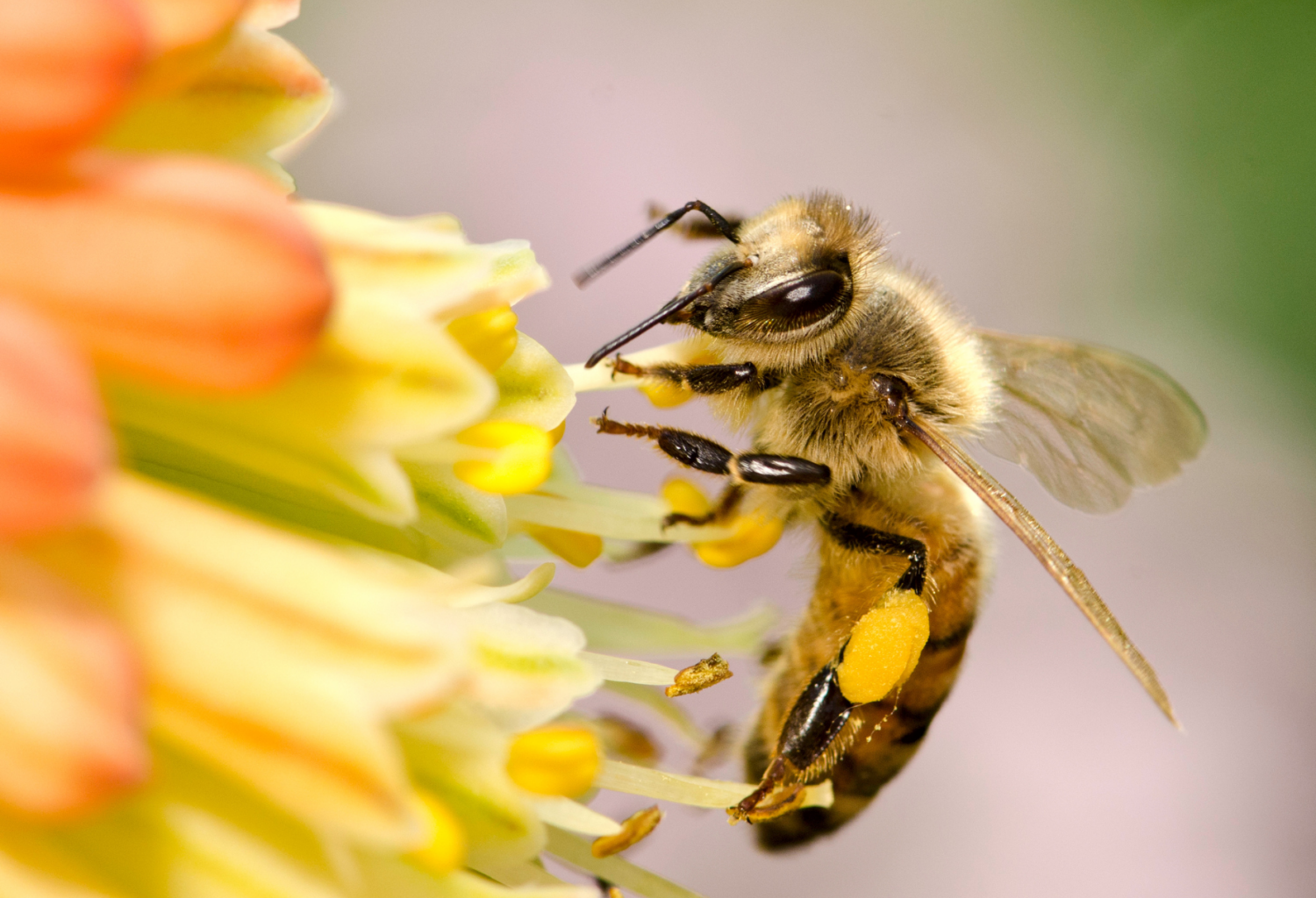
If you’ve ever found yourself sweet on the idea of helping out honeybees, this insightful interview with Jörg Mayer, DVM, MS, DABVP, DECZM, DACZM, full professor in zoological medicine at the University of Georgia Veterinary College, might be just what you need to get started.
Advertisement
“It’s a fascinating world, as a veterinarian, to take care of honey bees,” said Jörg Mayer, DVM, MS, DABVP, DECZM, DACZM.
Sure, it might give you a warm, fuzzy feeling to know you’re helping a species that benefits the planet, but that’s not all.
“Honey bees are an economic superpower!” he said. “Thirty percent of everything that you eat all day long is pollinated or is benefited from honey bee services… Without honey bees in our life, our supermarkets would be very sad markets.”
Fortunately, veterinary professionals can help these important pollinators in a variety of ways.
Be(e) a safe space
Mayer understands that not everyone is ready to bring a hive home. But even if you’re not sure you’re ready to handle bees, he encourages you to consider how the land your clinic sits on might be of use.
“If you have a lawn, if you have grass that you’re mowing, why are you mowing your grass?” he asked. “Put wildflowers out there. Make a nice pollinator garden out of it. People love it. The insects will love you for it.”
This is especially important in urban areas, he said, where pollinators struggle to find wildflowers.
“If every veterinary practice could set a little bit of their lawn aside and turn it into a wildflower meadow, that would be a huge contribution,” he said. “That’s one way to ease into this. It would be a gateway drug, so to say.”
Be(e) open to treating bees
There’s a relatively new need for veterinarians to work with beekeepers, Mayer said. “Until 2017, a beekeeper could just go to any kind of agriculture supply store and pick up a bag of antibiotics to treat the beehive for potential bacterial infection.” But now, the FDA requires these beekeepers to contact a veterinarian who can prescribe these antibiotics via a prescription or a veterinary feed directive.
“For a lot of small animal veterinarians, they might have never written a veterinary feed directive in their life,” Mayer said. So, while it’s common in large animal practice, he realizes some small animal veterinarians might feel a bit intimidated.
“It’s a long word—veterinary feed directive—but it’s super easy to do. And there is beautiful infrastructure out there that helps you,” he said. “If you start looking into it, it’s actually much easier than writing a prescription.”
Be(e) active about supporting beekeepers
Another way to help is by making sure your local beekeepers know you’re bee-friendly. “Right now, beekeepers need to reach out. They’re forced to contact a veterinarian to write them a visionary feed directive or a prescription for the antibiotic,” Mayer said. “So, what I would say, if you’re interested, is join your local beekeepers association.”
They normally meet once or twice a month and it’s an excellent opportunity to learn about the challenges of and tricks for successful beekeeping in your area, he said, adding, “They’re great people in general.”
Be(e)come a beekeeper
As you learn more, you may find yourself wanting your own hive outside your home or clinic. The great thing about that, Mayer said, is that all beekeeping is local. You can be successful anywhere—but you do need to understand what works in your area.
“I used to practice in Massachusetts; now I’m practicing down in Georgia,” he said. “I had bees in Massachusetts, and I have bees in Georgia and what worked for me, for example, in July in Massachusetts is not working at all in Georgia.” Because it’s so climate dependent, you need a solid understanding of the winterizing process.
Be(e) open to the benefits
If this path interests you, Mayer strongly encourages you to give it a try.
“It’s a little bit paradoxical because what I find is, no matter how stressful your day was and whatever happened in the clinic, you just feel like, oh my God, spend a little bit time with your bees, and it is a little bit like Zen meditation,” he said. “It sounds contraindicated. But if you’re surrounded by 40,000 flying, buzzing insects, the sound that you’re hearing—it’s very calming to you because you have to move slowly. You look at your little girls and you’re in the zone. You’re in the bee zone.”
He said that every time he works with his bees, he feels like a changed person. “I’m calmer. I’m pretty sure my blood pressure is lower, and I just feel happy,” he said. “Everybody talks about work life balance. I think this is a perfect thing, to calm down from a stressful day and to actively contribute to the One Health point.”
Resources mentioned in the video:
Photo credit: ElementalImaging/E+ via Getty Images
Disclaimer: Trends™ content is meant to inform, educate, and inspire by providing an array of diverse viewpoints. Any content published should not be viewed as an official stance, position, or endorsement by the American Animal Hospital Association (AAHA) or its Board of Directors.
