Culture and People
Federal veterinarians impacted by multi-agency layoffs
Veterinarians working at the federal level have been impacted by the sweeping federal cuts and the restructuring to multiple agencies, including a large reduction at the Department of Health and Human Services (HHS). We talked with one veterinarian at another agency, the United States Department of Agriculture (USDA) about the current situation they are facing as well.
Advertisement
The Department of Health and Human Services (HHS) announced their plan to cut 10,000 full-time employees in late March. The 10,000 cuts come amid the larger plan to reduce the department’s size from 82,000 to 62,000 through cuts, retirement, and Fork in the Road resignations. HHS oversees several federal agencies, most notably the Food and Drug Administration (FDA), Centers for Disease Control and Prevention (CDC), and National Institutes of Health (NIH).
Other agencies such as the United States Department of Agriculture (USDA) are also facing cuts amid a larger federal effort to reduce the number of federal employees. Workers there had also been given the Fork in the Road option, which is essentially a deferred resignation program where the employee could resign and be paid through the fiscal year or face the risk of layoff or demotion. The ability to take that option ended on Feb. 12, and about 40,000 federal employees across all agencies resigned and took the offer, according to CBS News.
In a letter from the American Veterinary Medical Association (AVMA) to its members, Sandra Faeh, DVM, AVMA’s president wrote that they had learned 143 individuals were being laid off from the FDA Center for Veterinary Medicine (CVM) and that many of these individuals were veterinarians.
When reached for comment, an HHS spokesperson stated that the layoffs were part of a reorganization of the department to eliminate redundant or unnecessary positions but that critical programs would be continued. According to the HHS website, of the 10,000 cuts, 3,500 will come from the FDA. The website also reads that “this reduction will not affect drug, medical device, or food reviewers, nor will it impact inspectors.”
In an interview with ABC News, Department of Health and Human Services Secretary Robert F. Kennedy Jr. said that some programs had been mistakenly cut and would be reinstated. He said that there were a “number of instances” in which personnel and “studies” were cut that should not have been. There was no mention in the interview of if any of the veterinary personnel were part of that reinstallation.
In the AVMA’s letter, Faeh said that among the personnel affected by the FDA’s CVM layoffs are “highly qualified veterinarians with unique skillsets” and veterinarians in senior agency leadership roles. She continued, “We believe the resulting loss in expertise and institutional knowledge will deeply inhibit the ability of these federal agencies to continue the critical and expansive work that protects and supports animal, human, and environmental health.”
The essential work of federal veterinarians
Veterinarians work in multiple federal agencies, including the FDA, CDC, NIH, USDA and more, to protect both animal and human health. Here, we review some of the key responsibilities entrusted to veterinarians who work for the FDA CVM and the USDA.
According to the FDA CVM website, the CVM is a “mission-driven, public health, regulatory Center”. Charged with protecting human and animal health, the CVM regulates animal drugs, animal food and feeds including pet food, and animal medical devices. As part of this, the CVM regularly publishes information for veterinarians that includes recalls and withdrawals of animal foods, drugs, and devices, animal drug safety-related labeling changes, letters to veterinary professionals regarding new animal drugs and veterinary products, and risk minimization action plans for approved products.
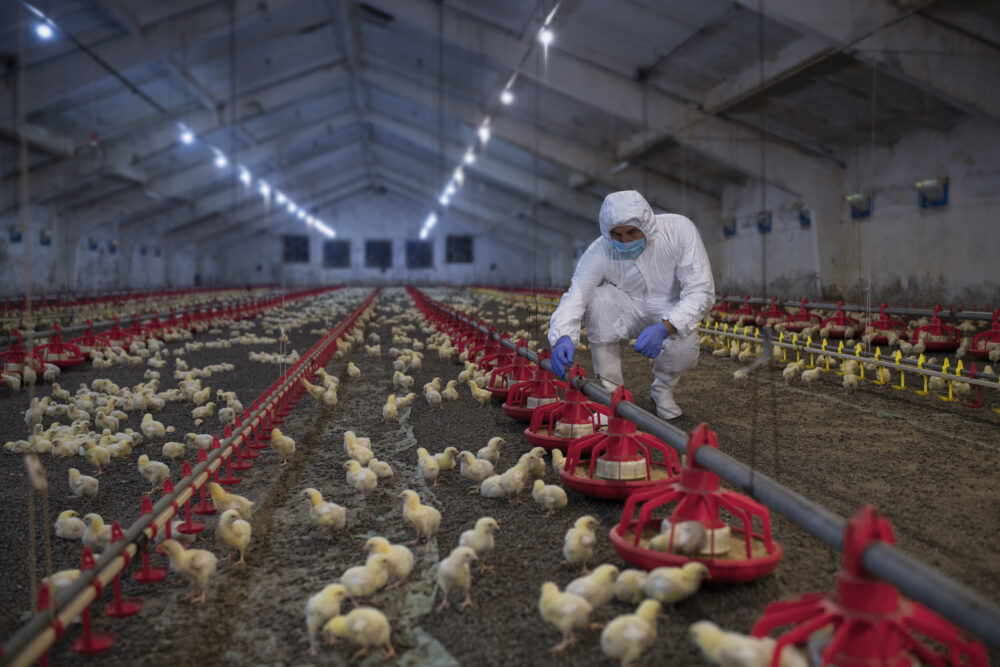
According to the USDA Animal and Plant Health Inspection Service (APHIS) Veterinary Services (VS) website, the goals of the agency include protecting and improving the health, quality, and marketability of animals, animal products, and veterinary biologics. This includes protecting livestock animals that enter our food supply from disease, performing diagnostic testing, ensuring the safety of vaccines and other biologics, and safeguarding the movement of animals in and out of the U.S.
Photo credit: ArtistGNDphotography /iStock via Getty Images
“Terrifying threats”
A current USDA veterinarian who spoke on the condition of anonymity said that although they have not been laid off yet, they are being encouraged to voluntarily resign or face the threat of losing their job without severance pay. The veterinarian added that they do not have confidence that they would continue to receive pay through September as promised if they were to resign. During the conversation, they said the “threats” they are receiving are “terrifying” and that they feel backed into a corner.
“They have essentially said that if we don’t take the deferred resignation plan… there will be sweeping terminations anyway,” the veterinarian said. They were also told that if they were not laid off, they would likely be moved around the country and possibly downgraded to a lower rank or position within the agency. The individual we spoke with said this possibility would be detrimental, as this person is a parent who moved with their children specifically for this job. But the alternative—losing the job completely—would “destroy” their family, they added.
“I’ve spent my whole career training and learning for the job I have now,” they said. “It makes me sick to think about leaving this dream role behind. Everything I’ve worked so hard for gone with a few keystrokes.”
After the anticipated workforce reductions in the USDA, the veterinarian we spoke with said we will be “lucky” if we have access to a human flu vaccine next season. “It’s going to impact the food on our tables very soon, I think,” they added. “Fruits and veggies are going to become scarce and expensive. Protein will probably be next.”
Action steps to mitigate further harm
In her letter, Faeh commented that the AVMA is working to communicate with legislators and the Trump administration to advocate for the restoration of essential positions within the CVM so that human and animal health can be protected and “the safe and effective practice of veterinary medicine” can continue.
The USDA veterinarian we spoke with also had some advice for the veterinary community at large. “Continue to talk to colleagues about what you are hearing and seeing. Continue to explain to people in general about the collapse of science and health resources.”
Photo credit: MarioGuti via iStock/Getty Images
Disclaimer: Trends™ content is meant to inform, educate, and inspire by providing an array of diverse viewpoints. Any content published should not be viewed as an official stance, position, or endorsement by the American Animal Hospital Association (AAHA) or its Board of Directors.
