Clinical
From the Guidelines: Allergic skin diseases in canines
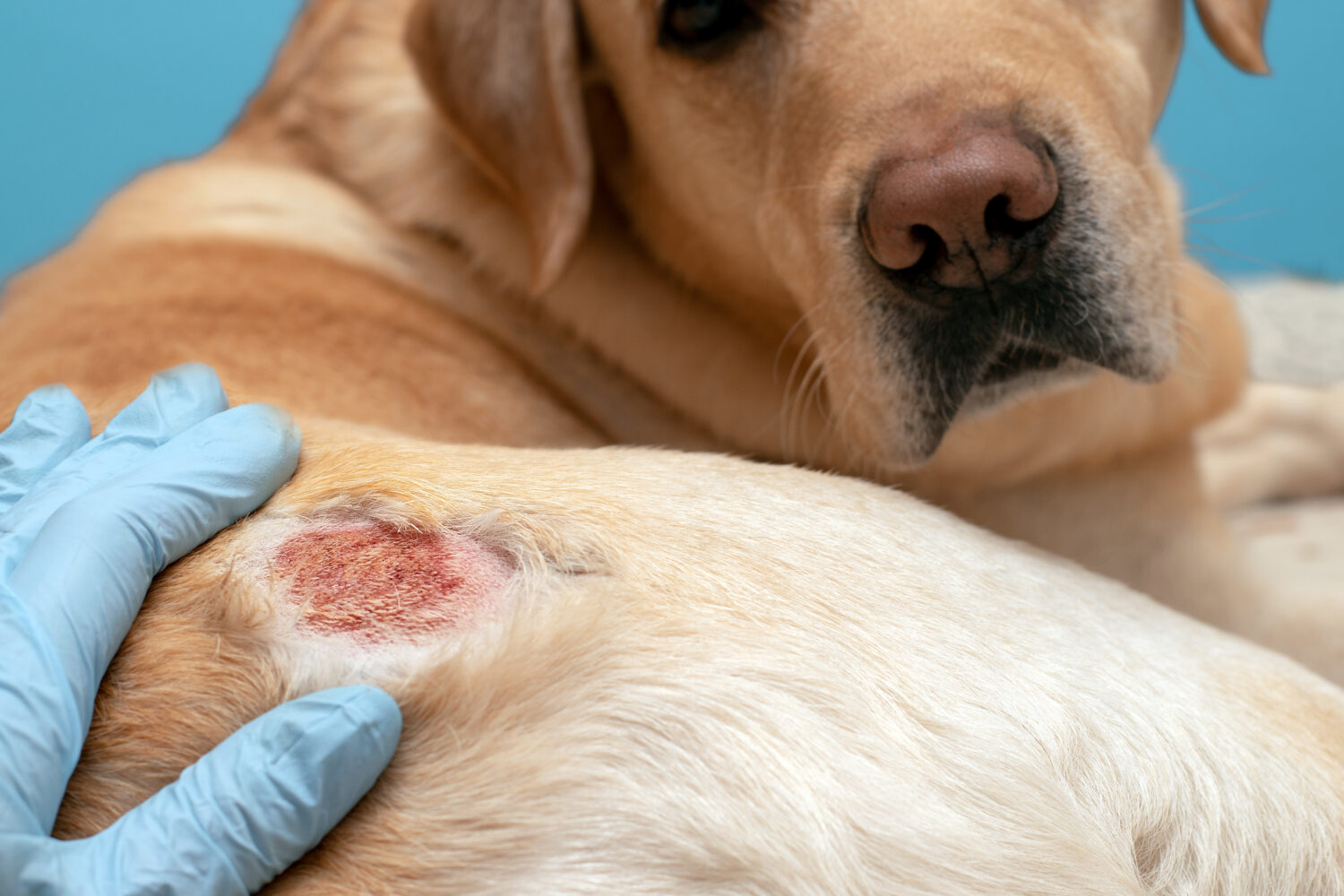
It’s springtime, which means lots of dogs are getting outside with their families and enjoying the warmer weather. It also means increased pollen counts as flowers bloom and plants grow.
Advertisement
Dogs sensitive to seasonal changes may experience an acute allergy flare, resulting in a recurrence of allergic signs such pruritus, erythema, skin lesions, and otitis. While springtime may be a particularly difficult time for some dogs, it’s important to remember that allergic flares can happen at any time of the year and can have multiple possible causes.
Allergic flare factors
According to the 2023 AAHA Management of Allergic Skin Diseases Guidelines, when a dog is showing signs of an allergic flare, first collect a thorough history and a minimum dermatologic database to determine if there have been any changes to lifestyle and routines. Remember to check for these acute flare factors:
Advertisement
- Secondary infections
- Ectoparasites
- Environmental/seasonal changes
- Food challenges (holidays, visitors in the home)
If secondary issues are identified, managing these should resolve the flare. If the flare is severe, a short course of antipruritic treatment may be required. Table 2 of the Management of Allergic Skin Diseases Guidelines (below) offers guidance on medications appropriate for treating allergic flares.
Allergic flares occur regardless of how well-managed a patient is. It’s important to let clients know about this possibility before a flare happens so they know what to look for, when to bring their dog in to see a veterinarian, and so they don’t feel like they did something wrong with their at-home management.
For more information on managing allergic skin diseases in canine and feline patients, see the 2023 AAHA Management of Allergic Skin Diseases Guidelines at aaha.org.
AAHA’s veterinary practice guidelines offer the latest clinical and nonclinical guidance on a wide range of topics. From the Guidelines presents bite-sized nuggets of wisdom from these guidelines for the practice team to consider.
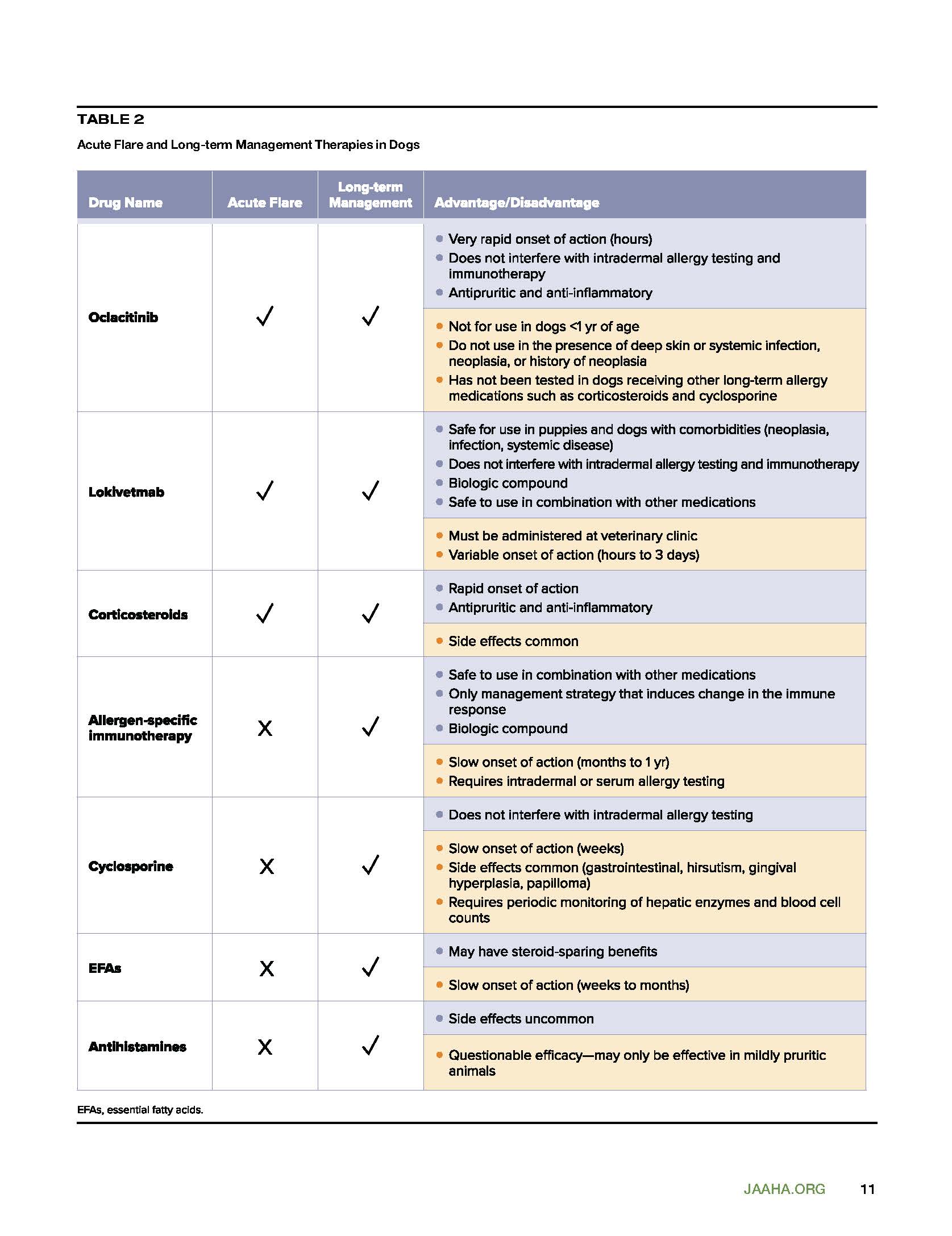
Photo credit: © Fetrinka via iStock / Getty Images Plus
Disclaimer: Trends content is meant to inform, educate, and inspire by providing an array of diverse viewpoints. Any content published should not be viewed as an official stance, position, or endorsement by the American Animal Hospital Association (AAHA) or its Board of Directors.
