End-of-Life Care
Finding flexibility that works for you: An EOLC case study

We know flexibility is important to those working in clinical practice, and we understand how to define it—but when it comes to making it a reality, flexibility may look different to one veterinary professional compared to another. To highlight the varying forms of flexibility that exist, we’ll talk to individuals who’ve found the right type of flexibility for their lives, as seen here with Stephanie Bowes, DVM, who found flexibility with her own mobile end-of-life practice.
Advertisement
Flexibility matters. You know how flexibility—or a lack of it—impacts you, personally, and we’ve also seen its importance through the data with our Stay, Please retention study. It’s a retention factor that, when done poorly, makes people want to leave their jobs (or even clinical practice entirely), and, when it’s done well, it’s a factor that inspires people to stay.
According to the study, flexibility in scheduling and job duties is generally defined by folks in clinical practice as “Flexible working hours that accommodate personal life and family needs.”
Advertisement
But even the definition allows for significant variability in how flexibility is implemented. Plus, it’s easy to see how different “personal life and family needs” might look for one employee compared to another.
Therefore, it also stands to reason that the best path to meaningful job flexibility for one veterinary professional might not look the same as the right path for a colleague. We may have one definition that most people agree upon, but that doesn’t mean there’s one “right” way to make it a reality.
And so, over the coming months here at AAHA, we’ll connect with individuals in clinical practice who have found the kind of career flexibility their lives and families require—and we’ll share what they love about what they do, what they find challenging, and what they wish they’d known from the start.
“Serving the whole family”
Stephanie Bowes, DVM, CPEV, is the founder and medical director of Loved Veterinary Services, an AAHA-accredited mobile end-of-life care (EOLC) practice based in Lakeland, Florida, (and soon expanding to Texas) that offers quality of life assessments, telehealth consultations, at-home euthanasia services, and aftercare services to the surrounding areas.
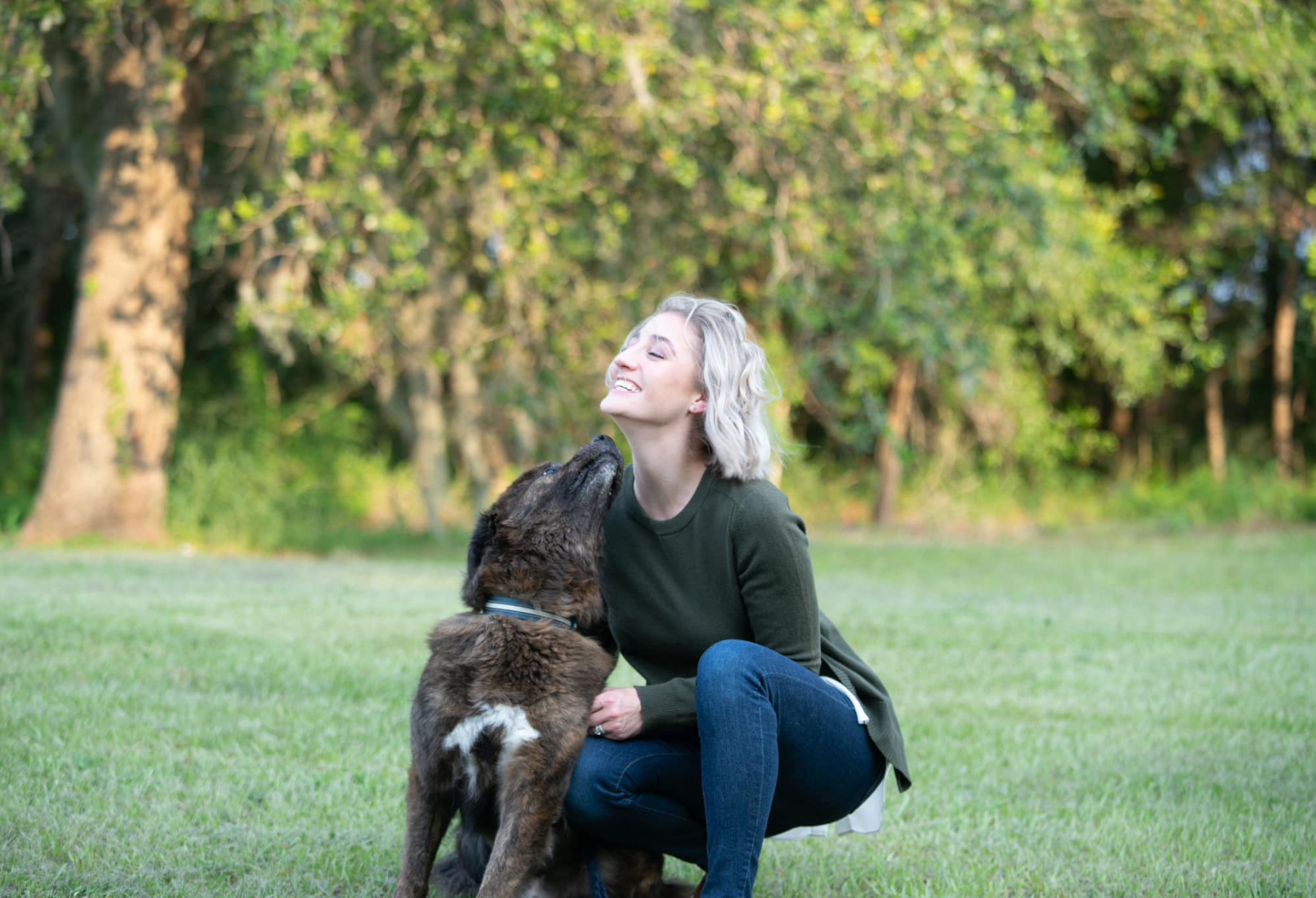
Unlike many of her colleagues, Bowes didn’t grow up wanting to be a veterinarian; the desire hit her in college. “I think what drew me to veterinary medicine was the idea that I get to be a trusted medical professional for the entire family,” she said. “I love animals. I adore all my patients. But even more so, I love interacting with the entire family to educate them, and to create plans and health care opportunities for their pets. Really, my whole idea of going into vet med was to serve the whole family.”
Finding her path
Several years after she graduated and began working in small animal practice, a client—who was active in the EOLC pet space herself while working with Bowes to ensure her senior dog received the care he needed—approached Bowes about shifting away from her current practice.
“I think she recognized my desire to spend more time with all of my appointments, and I think she saw that my joy was being with my patients in the room for as long as possible to kind of make sure that everyone was on the same page,” Bowes said. “As I grew into more management of chronic diseases and educating on really difficult diagnoses, I was really gravitating towards a lot of quality of life and making sure that end of life was a planned process for people, where we don’t just bring this up in an emergency situation.”
Bowes felt strongly about the fact that this final appointment is something that families can potentially plan. She found herself wanting to help them understand how to move into being a caretaker and then into the grieving process. She wanted to do everything possible to make sure those final moments were peaceful—and, in discussing this with the client, she realized it made sense for her to move fully into the EOLC space.
And so, Loved Veterinary Services was founded; services began in July 2023.
The benefits of running the show
One of Bowes’ priorities with her EOLC business was to work with families to ensure their senior or sick pets received the attention the family desired after a hard diagnosis.
“Too often we enter into, ‘OK, we have our test results, we did our physical exam. This is what I can tell you about those results. Here’s a bag of medications. Here’s some pamphlets, as far as what the condition is. Call us if you need anything,’” she said. “And I think there’s still a disconnect between that moment of finding out and when we’re making the decision of end of life.”
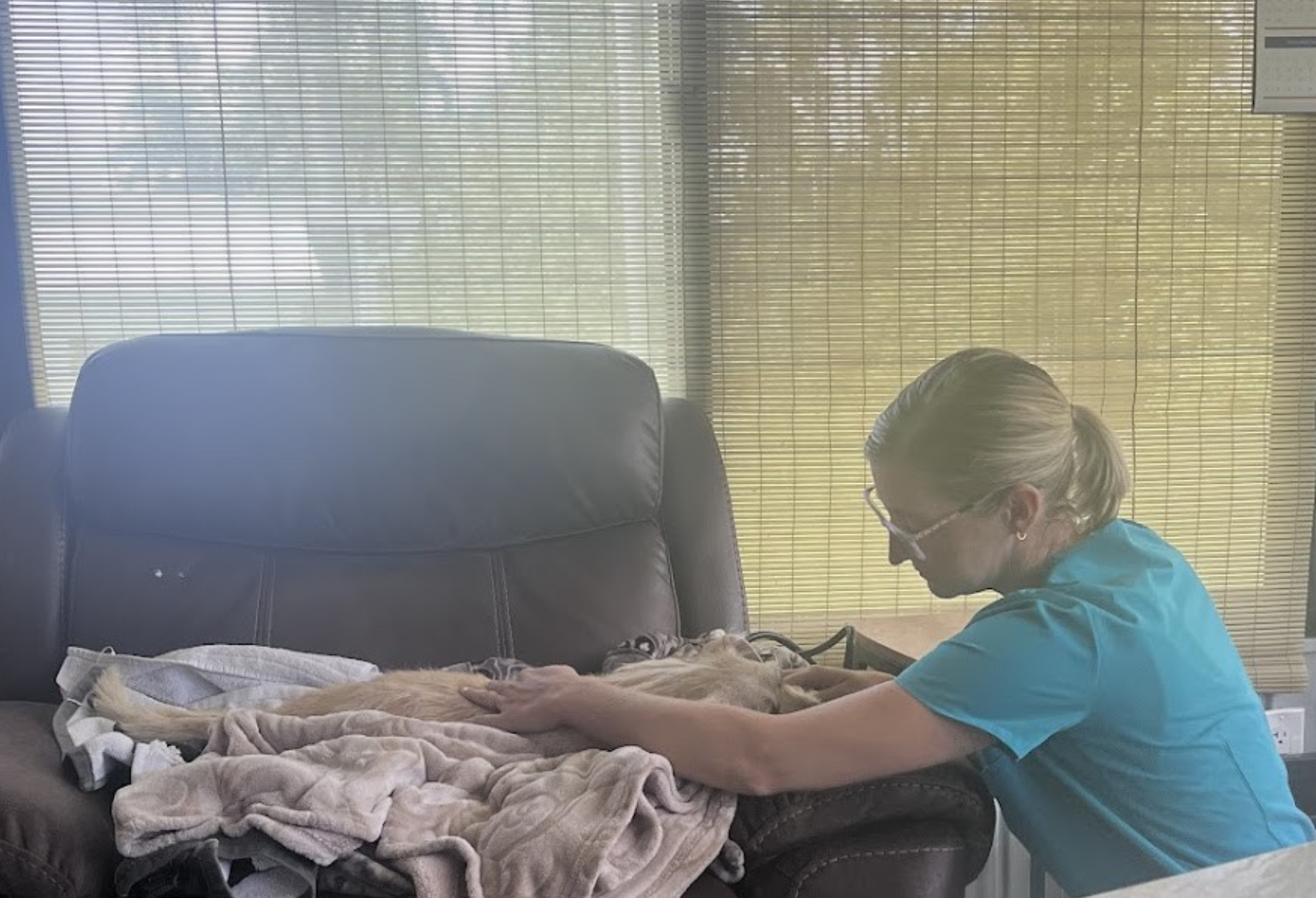
There’s a middle space she believes we’re not yet creating regularly. “But I would hope that eventually I could be a part of that, to try and kind of create that space where people feel supported the last few months when it comes to these things,” she said.
Of course, she realizes that sometimes, changes to a pet’s health occur suddenly and emergencies can’t always be avoided. “Not every patient is going to have a hospice plan or a palliative plan,” she said. “I think that my ultimate goal is to be able to provide end of life services in families’ homes—but also to make sure that they feel supported before that, too.”
The flexibility factor
Although flexibility, specifically, wasn’t what spurred Bowes to start her EOLC mobile business, it matters greatly to her now that she has it.
“It didn’t come across as being necessary until all of a sudden I experienced the flexibility of being a mobile veterinarian—kind of structuring a schedule for these families in a way that benefited them as well as myself,” she said.
She recalled working in a standard practice, where her schedule was often booked out two or three weeks, which left her in a difficult position if one of her children got sick or needed to go to the doctor. “It wasn’t on me as far as trying to make sure that they were taken care of; I have such a wonderful family village and my husband’s fantastic,” she said. “But that still pulled at my mom heart.”
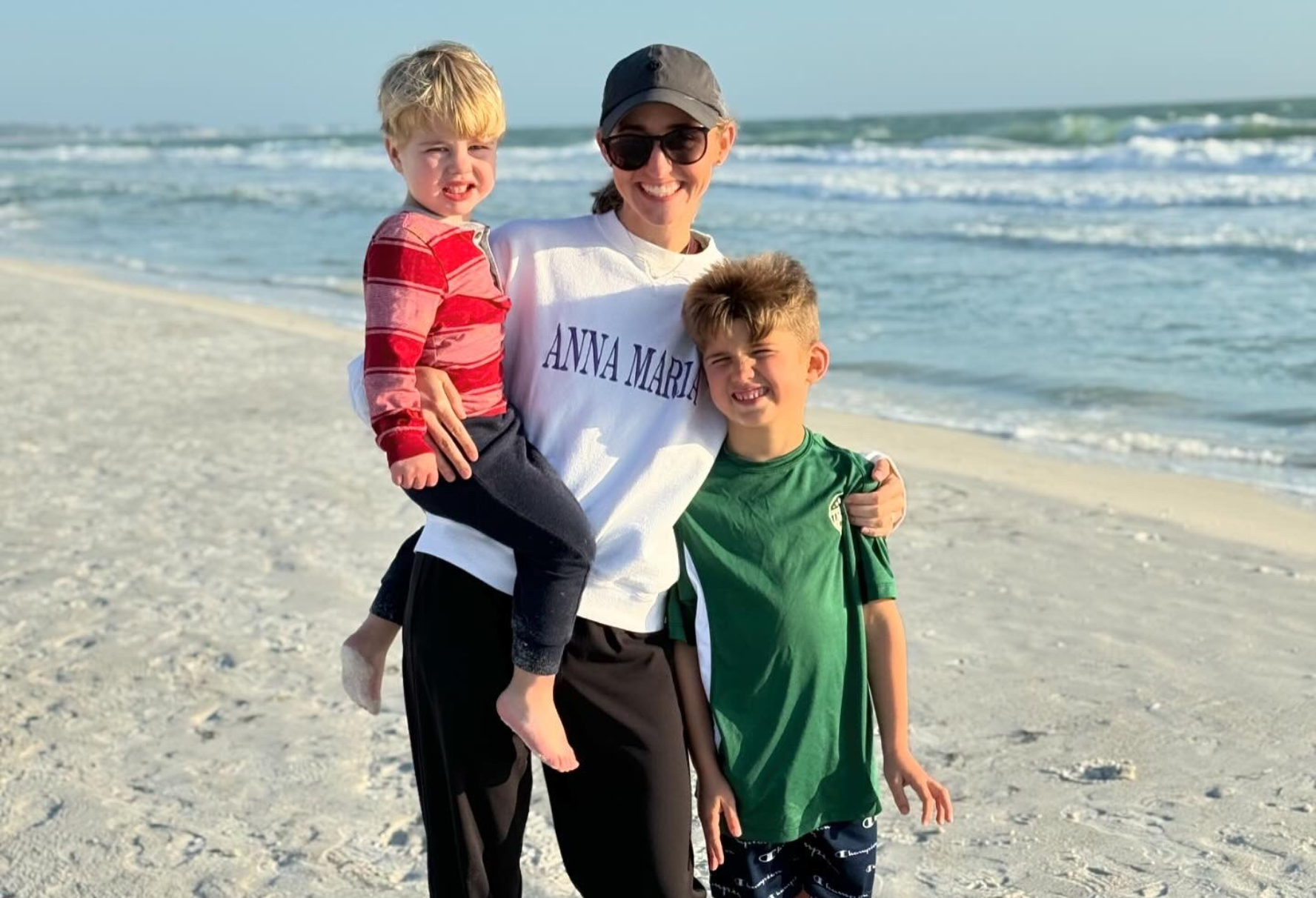
Still, at that time, she simply accepted that her schedule was always going to be firm. “Asking for a day off to go on a field trip was just not accepted,” she said. “I was always saying, ‘No,’ to a lot of things because they were too small. It wasn’t a vacation, so therefore, I felt like it wasn’t worthy of the time off.”
From firm to flexible
Today, that’s changed completely. Bowes can adjust the hours she’s available for appointments each week and shift things as needed. She can accept an evening appointment on Tuesday but mark herself unavailable on Friday when her kids are off school.
“I know for a fact that I put in more time doing this type of work than I would at a hospital, but for some reason, it doesn’t feel strenuous. It doesn’t feel like it’s a burnout situation,” she said. “I can see at a glance that I’m going to be working on records and filling out paperwork, but maybe I’m doing that at home while my kids are doing their homework. And at least I’m here, you know? Also, I always like my clients to feel as if I’m available for communication, so if they’re writing an email to me, I can still respond to them—it’s not nailed down to a hospital computer or phone.”
It’s a lot of time and effort, but being in control of when and how she engages with her work makes a big difference. “I think so often we get this idea of, well, burnout just means that you’re just spending too much time doing that work. And that’s not the case! It’s more about, how is it making you feel?” she said.
New challenges
In Bowes’ case, because she’s currently the only veterinarian at her EOLC practice (although her team will be expanding in the near future), she feels tremendous responsibility to meet her clients’ expectations. That was even more apparent recently, when her client coordinator was on maternity leave.
“I love speaking to individuals, and if I could spend 30 minutes on the phone with a family I had seen for a quality of life assessment, just to give them peace of mind, that’s so fulfilling to me,” she said. “But at the same time, if I’m spending 30 minutes on the phone with them, and I miss two other calls from families who need me—it can be a lot.”
She also struggles with taking home the emotions of the day. “That’s just my identity,” she said. “I’m a huge empath. It can be challenging to turn that off.”
Bowes found that learning about other people’s experiences with mobile EOLC services extremely helpful—both in terms of understanding what she wanted to do, as well as what she didn’t want to do.
Forging the right path for you
Kathleen Cooney, DVM’s, book, In-Home Pet Euthanasia Techniques, was especially eye-opening. “I value what she’s done, pioneering a euthanasia pathway for a lot of individuals,” Bowes said, adding that insights like how Cooney was answering the phone at 2 a.m. helped her understand how important it would be for her to set—and hold—her boundaries.
“I still allow there to be a closed period of time,” she said. “There are limitations to when my appointments are made, and we make it very clear we’re not an emergency service; we’re a planned service and we’re happy to guide families through the process.”
Bowes also remains clear on the fact that, although they’re still a new practice, they’re not out there to try to get every payment. “It’s not right to do that and then dim down the quality of what I can give people because I’m too tired,” she said.
And she recognizes that it’s easier to add services and availability later on, once she’s established her business and schedule, versus scaling back because she started out offering too much. “Doing a little bit at a time works for us,” she said. “Like, we just added telehealth, but we’re not yet at the level of offering hospice visits because we know, once we offer that, we don’t have the individuals to take care of the clients that need it. So it’s just one step at a time. Don’t rush things.”
By identifying what it is you truly want, considering a business plan that allows you to meet those needs, and establishing boundaries that protect your time and energy, you can take an active role in creating the right career path for you.
If you’ve already achieved this and have a story you’d like to share, please let us know via email at [email protected].
Photo credit: Stephanie Bowes, DVM/Loved Veterinary Services
Disclaimer: Trends™ content is meant to inform, educate, and inspire by providing an array of diverse viewpoints. Any content published should not be viewed as an official stance, position, or endorsement by the American Animal Hospital Association (AAHA) or its Board of Directors.
