Practice Management
Wild thing: Wildlife rehabilitation and rescue in veterinary medicine
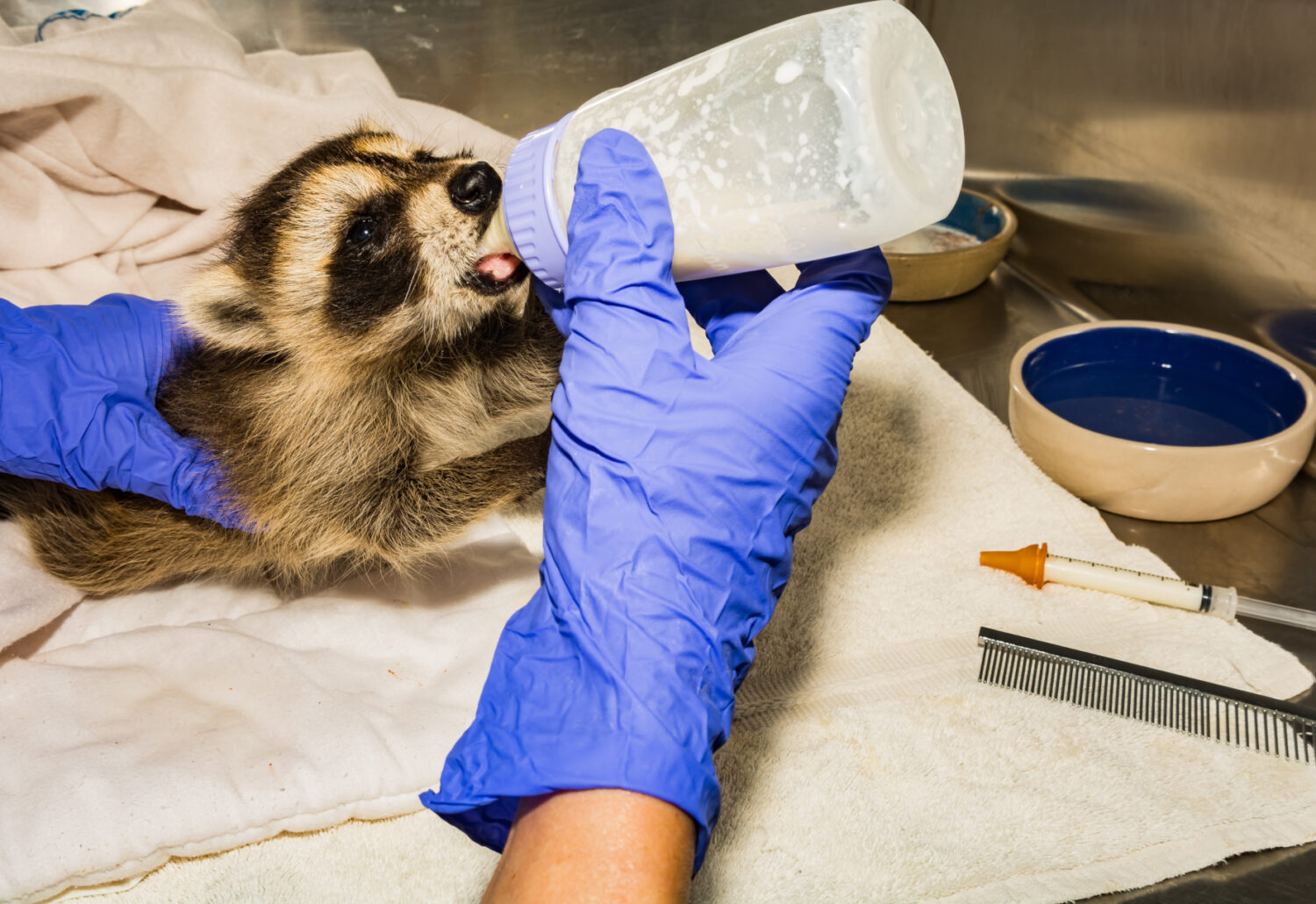
Companion animal veterinarians may encounter injured, sick and orphaned wildlife; this article provides information and guidance for those situations. It also provides resources for further research on the topic.
Advertisement
Have you ever had a client call about an injured wild animal? Or maybe someone just rolled up to your clinic with one in their car? There are important considerations that can help a veterinarian be informed and prepared when these types of scenarios arise. Whether it’s wildlife rehabilitation or rescue, opportunities abound for clinics to help clients who differ from the norm.
Answering the call of the wild
According to research presented in the journal Animals, it’s estimated that hundreds of thousands of wild animals are presented for rehabilitation annually in the US. In comparison, the American Veterinary Medical Association reported in 2024 that there are more than 163 million pet dogs and cats in US households. Add millions of pet birds and horses, it’s clear that the pet population far exceeds those that are seen by wildlife rehabilitators.
Advertisement
Len Donato, VMD, DABVP, owner of Wayne, Pennsylvania’s Radnor Veterinary Hospital, has worked with wildlife since his early days as a veterinarian, and continues to do so, along with teaching as an adjunct professor at the University of Pennsylvania.
Donato believes that there’s an element of giving back for a veterinarian to provide care for wildlife. However, he also addresses the financial realities of a “patient with no paying client/owner.” That’s why his practice has both a stray and a wildlife fund that the hospital and staff raise money for, then use to help defray the cost of stray and wildlife services.
His wildlife work also has a teaching aspect.
“The people that I have that are learning how to do orthopedics, bird care, wound care and medical management, they’re getting to learn how to do these things on wildlife under my supervision,” he said. “Some of them are now doing some of these procedures on their own. It helps them have more confidence when they’re treating pets that have these injuries.”
A different world
“Working with wildlife has several differences compared to companion animal medicine,” said Renee Schott, DVM CWR, Medical Director at the Wildlife Rehabilitation Center of Minnesota. “One is that our patients need to be at 100% normal functioning to be released. Whereas a companion animal can life a good quality of life with three legs or arthritis, wildlife would be at a serious disadvantage in the wild that affects their survivability.”
Stress is another main difference, Schott said.
“Wildlife patients in rehabilitation experience heightened stress due to the inherent predator-prey dynamic with humans. Unlike domesticated animals, who have been selectively bred to tolerate and even enjoy human interaction, wild animals perceive us as a threat,” she said. “Our presence, sounds, touch, etc. trigger a natural fear response in our wild patients. A calm vocal tone, intended to soothe, may be interpreted as a predatory growl. A gentle touch, meant to comfort, can be perceived as a life-threatening grasp. This constant state of vigilance and fear is a significant challenge in wildlife rehabilitation.”
Erica A. Miller, DVM is the Field Operations Manager of the Wildlife Futures Program at the University of Pennsylvania. She encounters practitioners who think it is illegal for them to treat wildlife, so they turn away clients who have found wildlife in need of care. However, she said that clinics should be aware that they are allowed to treat and/or euthanize wildlife.
Secondly, clinics are not obligated to treat wildlife, so if they choose not to, that’s okay.
“That said, it is illegal for them to keep wildlife for longer than is necessary to stabilize it and/or provide surgical care, and/or euthanize it,” she said. “Also, if they opt to not treat it, clinics should be prepared to refer the client to a veterinary clinic or rehabilitator who will treat it, rather than have the client attempt to care for it themselves.”
Miller adds that if a clinic chooses to take in wildlife for temporary treatment (before it can be transferred to a rehabilitator for ongoing care), they should make sure they have an area in their clinic that is separate from domestic animals to house the animals. Reaffirming Schott’s comments about stress, she said, “All wildlife, from turtles to birds to raccoons, are stressed by the sights, sounds and odors of domestic animals (and sometimes vice versa) and could potentially be carrying infectious diseases that could spread to domestic patients. Having a separate ward or even a back room for temporary housing of wildlife will greatly reduce their stress and minimize potential disease transmission.”
What to do
Generally, rehabilitators want veterinarians to follow the same guidelines as they offer to the public: identify the animal’s location, safely secure the animal if possible, and call your local wildlife rehabilitation facility or individual rehabilitator.
When a client calls or comes in because they’ve found injured or abandoned wildlife, these experts recommend you find your local wildlife rehabilitation center or individual wildlife rehabilitators and refer uninjured orphan calls to them.
“Each species has unique qualifications for being truly orphaned and we want to keep healthy wild families intact,” said Schott.
Schott encourages veterinarians to reach out to those who work at wildlife rehabilitation facilities. “We love to consult on cases, answer questions, and help other veterinarians. Not only does it allow us to have a bigger positive effect on the wild animal population, but it also usually saves you time, money, and stress,” she said.
Photo credit: ©JasonOndreicka via iStock/Getty Images Plus
Disclaimer: Trends content is meant to inform, educate, and inspire by providing an array of diverse viewpoints. Any content published should not be viewed as an official stance, position, or endorsement by the American Animal Hospital Association (AAHA) or its Board of Directors.
