Behavior
When remote work ends: How pet behavior can change when owners return to the office (and how veterinarians can help)
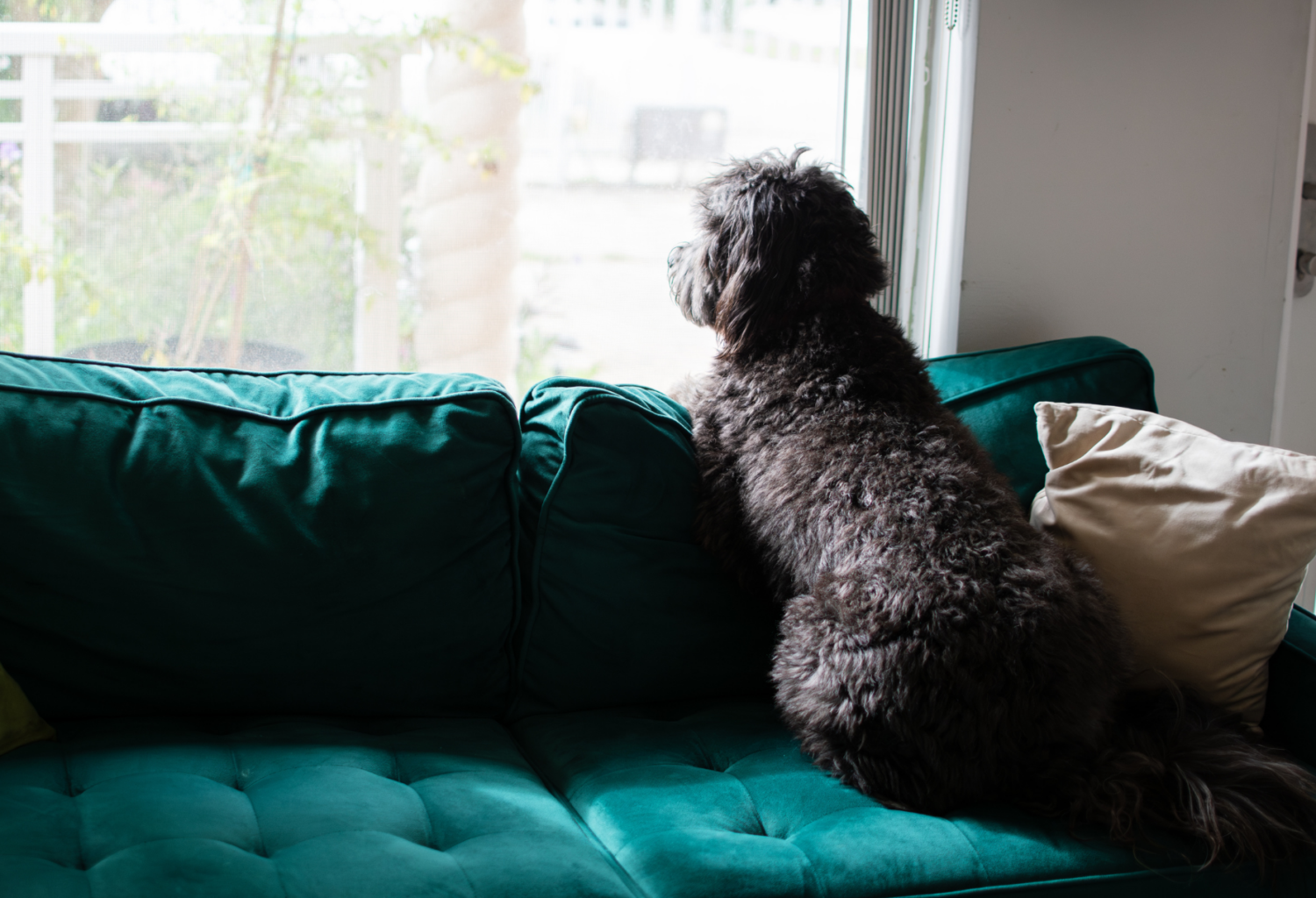
As more companies end their work from home policy, requiring many workers to return to the office, at least part time, those with pets might not realize the impact this change might have. Or maybe they are already seeing the impact first-hand with their pet’s behavior changes. Regardless, there’s a role veterinary teams can play in helping prepare pet owners and their pets for the shift.
Advertisement
When someone works from home, it’s easy to get into a routine. With remote work, you know when you’re waking up, when you’re having the second cup of coffee, or when you might be able to take a short walk. But as companies call for more workers to return to the office after a sometimes-five-year work from home routine, it can be disruptive to the workers routine. The same goes for pets.
Large changes to routine can impact pet’s behavior, and those signs can manifest in a multitude of different ways. Thankfully, the role veterinary staff can have in lessening the impact of the changes on the pet can in turn help reduce stress for the client as well.
Advertisement
New pet owners vs. Older pets
How veterinary teams fit into the equation is important, according to Amanda Modes, DVM, a behavior resident and the owner of Vet Mind, a veterinary behavior practice in New Jersey.
“The crux of it is just to start the conversation and say ‘this has been your routine for X number of years. Let’s talk about what your new routine is going to look like,” she said.
When it comes down to it, there are two subsets of people and their pets to look at it, she notes:
- People who got a pet when the person was working from home and who know no other routine.
- People who have an older pet, or a pet that has experienced the owner going into an office in the past and is familiar with change.
For the first group, working from home is all the pet has ever known. As a result, they’ve likely become accustomed to something like midday walks, or more constant attention.
“Both groups can benefit from this conversation,” she said. “Just starting the conversation with clients and bringing it to their attention is really key.”
Helping pet parents be proactive, not reactive
Modes notes that the key to setting a client up for success is addressing the potential for changes in behavior with their pet. Of course, if the owner has already returned to office and behavior changes are arising, it’s never too late to create a treatment plan to address them.
Just as every work schedule is different, the ways in which return–to–work will affect a pet’s behavior can vary widely. “How that may impact your specific pet is based on your routine, and it’s very individual, which is really important,” she adds.
Common challenges
Common pet behavior challenges associated with a change in work routine that takes you away from your pet more can include increased attention seeking when you’re home, wanting to go outside more often, and maybe even destructive behaviors. On the other hand, some pets may react by becoming more reclusive, hiding more and less willing to socialize.
“We are in an interesting time in veterinary behavior,” she adds. “We are seeing a lot more behavior problems, or people are addressing a lot more behavior problems, or for whatever reason they are becoming more of a conversation that needs to be had.”
Which is why being proactive is a big deal, Modes notes. Something as simple as just planting the bug in the client’s ear that this could impact their pet’s behavior is important. Having the client map out what their new routine will look like is also helpful. What time will you be leaving? How many walks will you be taking with your dog? Are there any changes to the time your pet is eating? All these things can help the client be proactive.
Modes also suggests having either handouts or links to resources readily available for the client. In the age of social media, clients might reference sources that aren’t vetted and might have information that, in the long run, could impact the behavior problems more negatively.
There’s also the option of possibly using medication or supplements. Modes says that if a pet may benefit from a supplement or short-term medication to help with the adjustment, preparing ahead of time to see how the medication works is important.
“How do we fix it? Again, being proactive is always going to get us farther than treating problems that [have] already arisen.”
Photo credit: ©AnaSha via iStock/Getty Images Plus
Disclaimer: Trends content is meant to inform, educate, and inspire by providing an array of diverse viewpoints. Any content published should not be viewed as an official stance, position, or endorsement by the American Animal Hospital Association (AAHA) or its Board of Directors.
