Culture and People
Get to know the Sheldrick Wildlife Trust’s Canine Unit
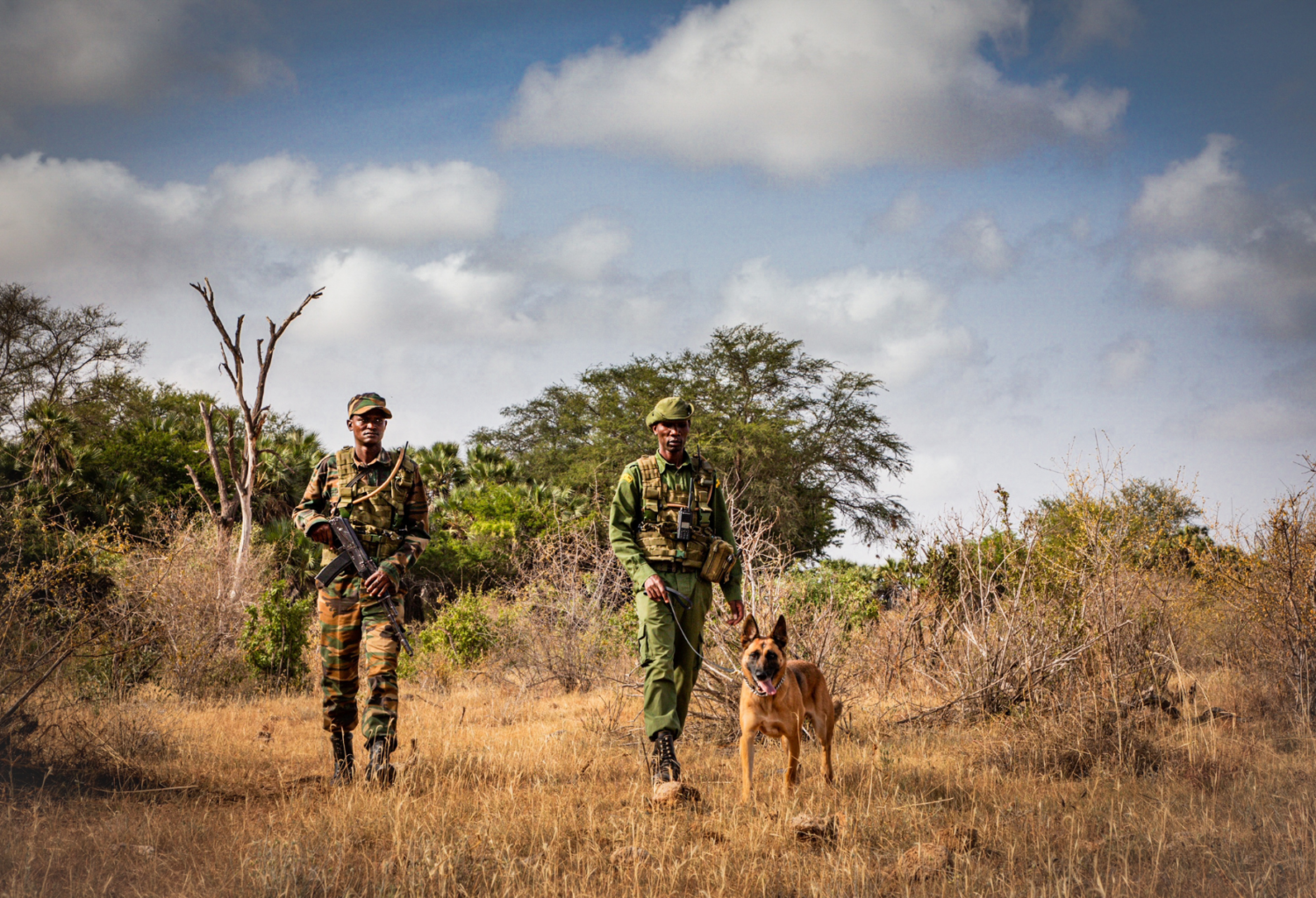
The Sheldrick Wildlife Trust in Kenya has long contributed to anti-poaching efforts, but those efforts leveled up when they added tracking dogs to the program. Today, their Canine Unit is making a major impact on poaching, and the teams that work with and care for the dogs involved are committed to making sure these canines remain healthy and happy.
Advertisement
If you’re familiar with the Kenya-based Sheldrick Wildlife Trust (SWT), it’s likely because of their Orphan Project—the world’s first (and most successful) elephant orphan rescue and rehabilitation program. Or you might have learned about the SWT through their social media, where they regularly highlight the antics of current orphans, as well as the journeys of those who’ve transitioned to the wild—but return to show off their own babies to the keepers who raised them.
What is the Sheldrick Wildlife Trust?
The SWT has been working since 1977 on projects including anti-poaching, enhancing community awareness, providing veterinary care to animals in need, and more.
They’re always looking for ways to make a greater impact, as evidenced by their partnership with Kenya Wildlife Service, or KWS (Kenya’s government arm tasked with the conservation and management of the country’s wild spaces), which began in 1999 in response to the rising threat of bushmeat and ivory poaching. And, more recently, by the Canine Unit they launched in 2016.
At that time, the SWT was busy building their anti-poaching presence in Tsavo and realized that, as incredible as their (human) rangers were, they could only track using visual cues. They needed canine partners who could use their keen sense of smell to take this work to the next level.
Read AAHA’s Working, Assistance, and Therapy Dog Guidelines
Today, the SWT’s Canine Unit works closely with KWS, and the results speak for themselves.
According to the SWT’s 2024 annual newsletter (beginning on page 100), the Canine Unit has, over the past five years, covered 7588 kilometers on patrol, resulting in 76 arrests. Considering there are just three dogs currently on the team—one of whom is brand new— along with a rotation of KWS dogs, that’s particularly impressive. But even beyond those arrests, the mere presence of these dogs has made a difference as a deterrent; would-be poachers know how effective these teams are and steer clear of areas where they patrol.
From providing these dogs (and their handlers) with proper and ongoing training to keeping the canines safe in the field, the SWT puts a lot of effort into meeting the Canine Unit’s needs. Fortunately, the SWT’s Director of Communication, Sean Michael, was willing to talk to the handlers and veterinarians who work closely with the Canine Unit to answer a few questions.
First of all, let’s meet the dogs. Who is currently working in the Canine Unit, and who else has been a part of the program?
We currently have three SWT dogs in the Canine Unit (Aya, Zora, and newcomer Bela), plus a rotation of Kenya Wildlife Service dogs. Since inception, we have also had canines Naiko, Max, Tanja, and Parker on the SWT team.
How do you keep the dogs safe in this hot and dry environment? What are your biggest concerns?
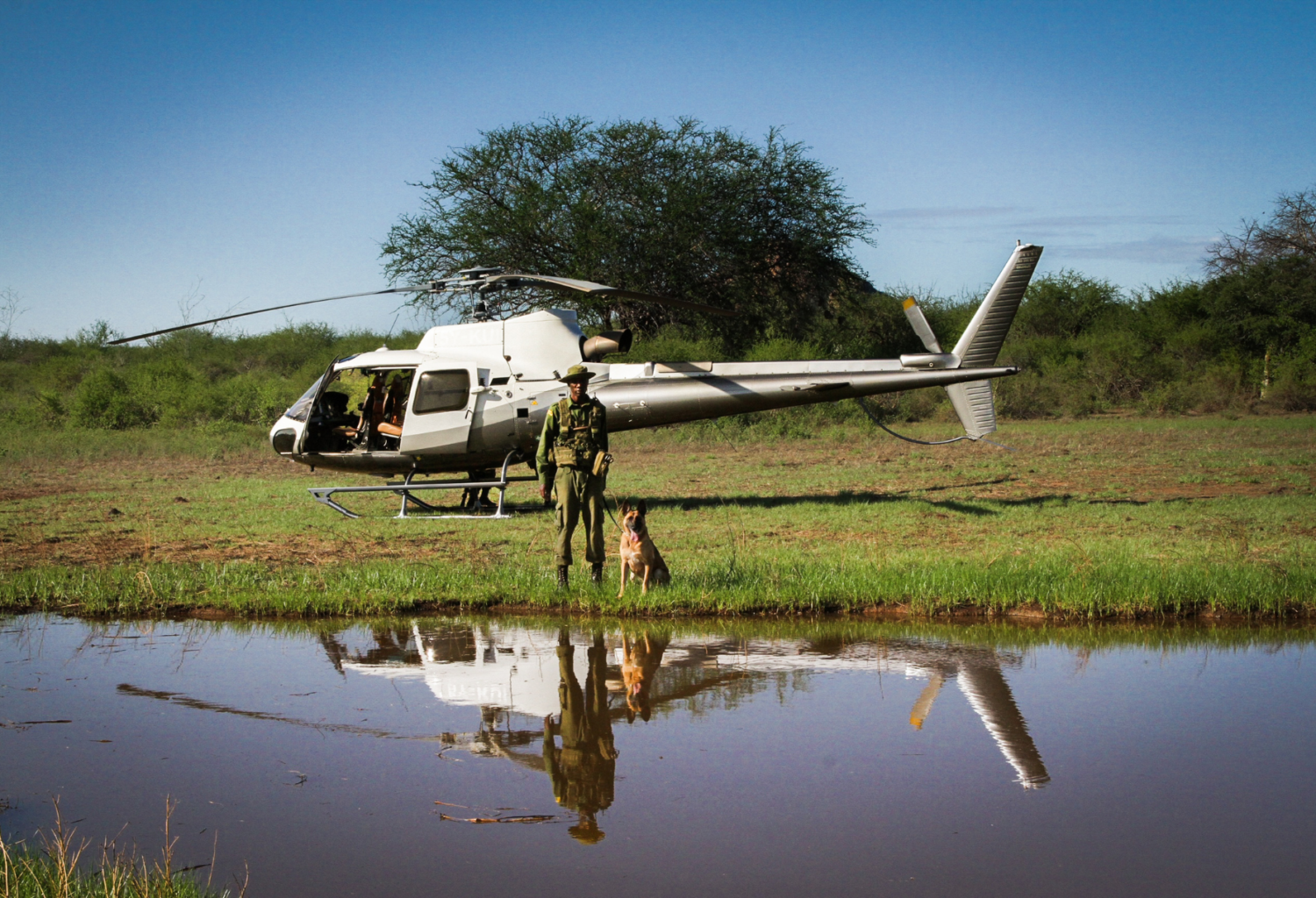
Each dog’s temperature is taken multiple times a day to ensure they are always in a healthy zone. Patrols are done in mornings or evenings, avoiding midday heat. We built state-of-the art kennels, fly-proof and snake-proof, with a climate-controlled system that keeps temperatures down. Tsetse flies are probably our greatest concern in an environment like Tsavo, which is why we have set up fly traps throughout the compound and rigorously monitor their temperature and vitals.
How are veterinarians involved in preventive care, and what kinds of illness or injuries do they commonly treat?
The Canine Unit conducts daily checks on the dogs, monitoring temperature, weight, appetite, skin condition, gum condition, stools, and other vitals. Vets then conduct regular check-ups to administer vaccines and take a more comprehensive look at their condition.
Given the close oversight of the dogs, injury and illness is thankfully rare. As mentioned, tsetse is a concern, as is overheating, but the checks and balances in place prevent these issues.
Most often, dogs reach the end of their working career and we find a comfortable domestic home for them to enjoy their retirement.
What kind of training do the handlers undergo to ensure they know what warning signs to watch for in the dogs—and how to provide care if something happens in the field?
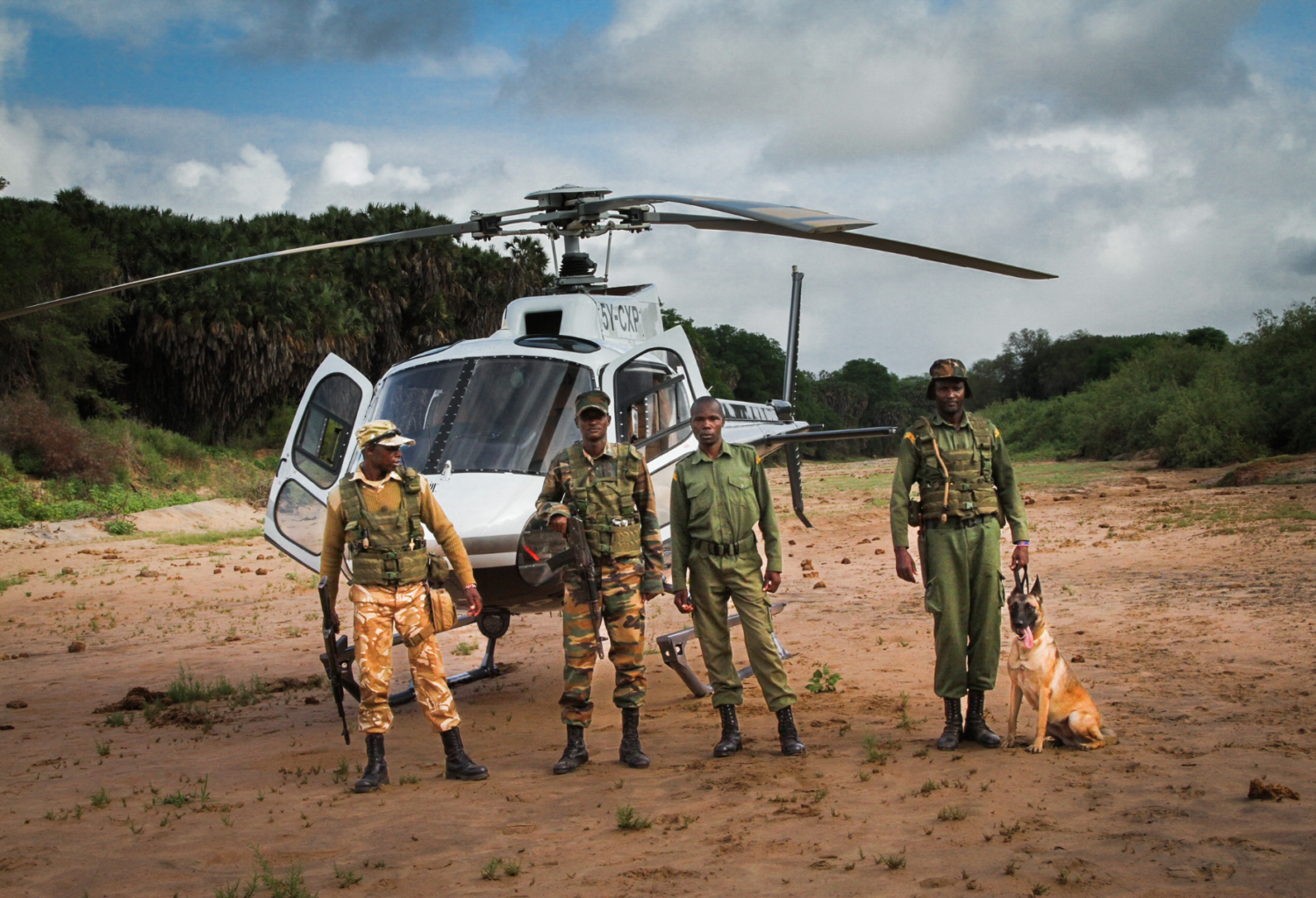
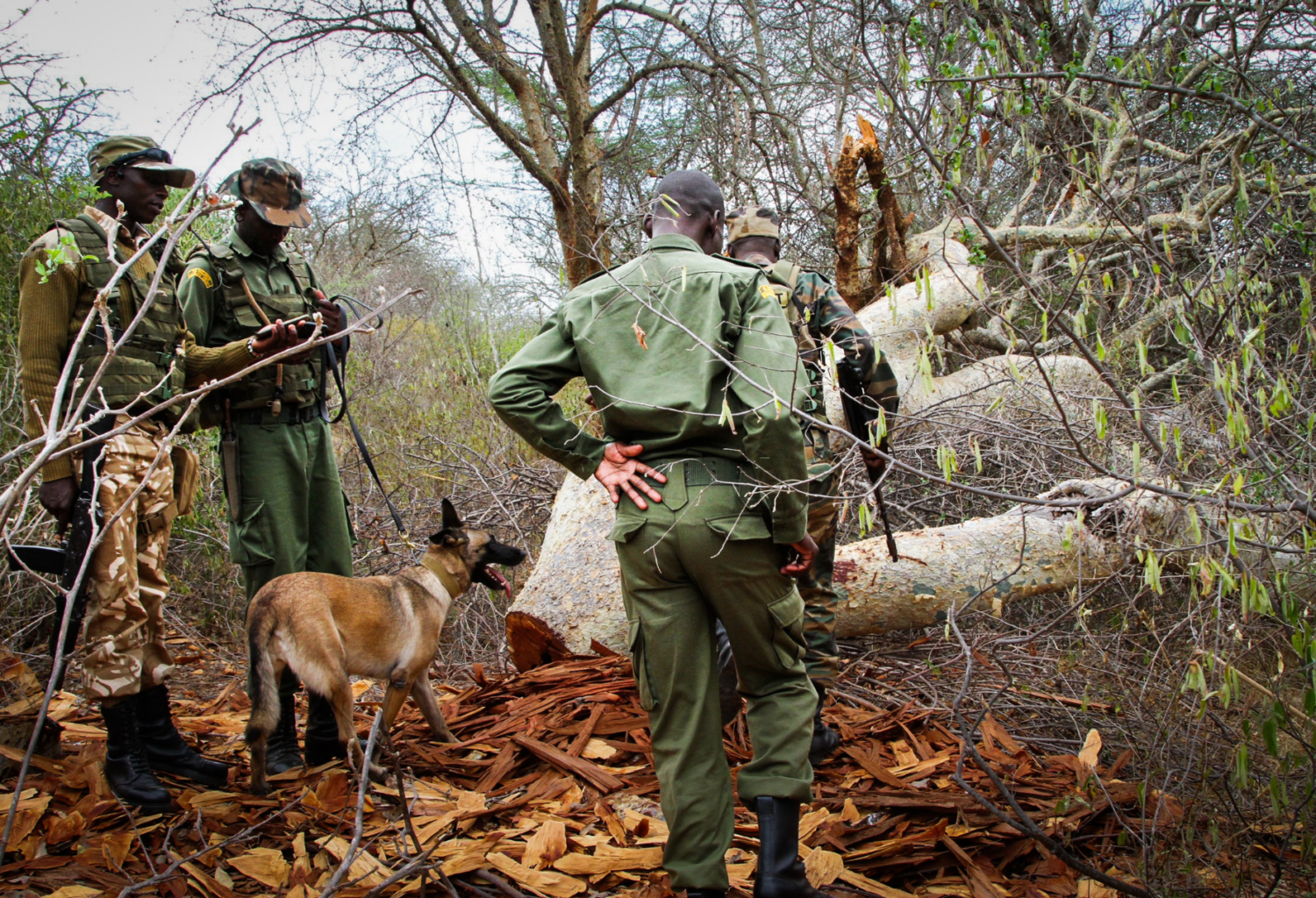
Our teams undergo extensive training with our partners at Working Dogs for Conservation, including annual enhanced sessions to brush up on their skills. Dogs and handlers do not enter a field environment until they have undergone rigorous training in tracking, detection, self-defense, and field emergency medicine.
On every patrol, the team is accompanied by armed KWS. Should the team approach a suspect or get into a dangerous situation, the Canine Unit moves back and the KWS moves in to make the arrest, ensuring the dogs and their handlers remain out of harm’s way.
Could you share what kinds of exercises you use in the first phase of training with a new dog, like Bela—when you’re focusing on bonding and acclimating while doing safe field work to prepare her for her job?
They do a lot of enrichment exercises—e.g. hiding a ball in different environments for her to find—and then field-based “mock tracks,” in which she tracks a pre-laid track through the bush, mimicking what she would experience in the field. We also put great emphasis on dog/handler bonding through play and grooming.
If readers want to learn more about SWT—or, more specifically, about the Canine Unit—where should they look?
You can read all about our Canine Unit’s operations in our latest Annual Newsletter (head to page 100). We’ve also covered the team in two Field Notes: Canines for Conservation and On the Trail — lots of good stories in both of them!
Photo credits: © Sheldrick Wildlife Trust
Disclaimer: Trends content is meant to inform, educate, and inspire by providing an array of diverse viewpoints. Any content published should not be viewed as an official stance, position, or endorsement by the American Animal Hospital Association (AAHA) or its Board of Directors.
