Culture and People
Veterinary Voices: Amelia Pinkston, VMD
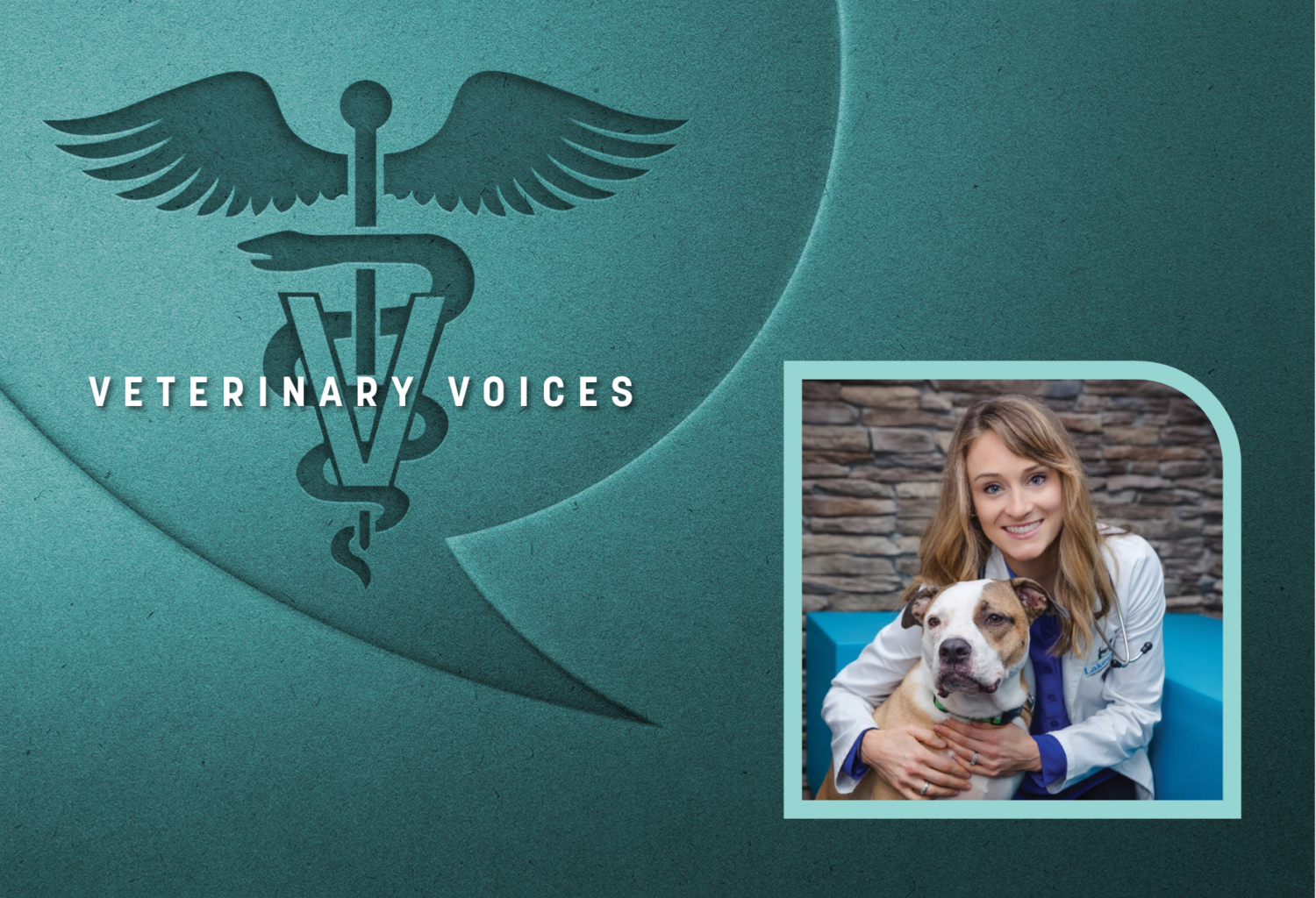
Meet Amelia Pinkston, a veterinarian whose passion for personal wellbeing and burnout prevention inspired her to pivot from treating pets to supporting the humans who treat them. She shares content in a variety of formats to help veterinary professionals feel grounded, empowered, and aware of how to best support their own physical and mental health. She wants those who work in veterinary medicine to know that there is an alternative to operating in a state of chronic stress and self-sacrifice and that they can be more fulfilled both personally and professionally as a result.
Advertisement
Listen up! Welcome to Veterinary Voices, a monthly feature dedicated to spotlighting inspiring veterinary professionals and thought leaders who are speaking up and making waves. Join us as we amplify their stories, share their insights, and celebrate the diverse voices shaping the future of veterinary medicine. No matter your role in veterinary medicine, there’s something valuable to discover in the journeys of these influential figures.
After 10 years in small animal clinical practice (small animal GP, urgent care, and relief), Amelia Pinkston has moved from working as a veterinarian to working to help veterinary professionals fight burnout and improve their physical and mental wellbeing. After experiencing her own burnout journey, she strives to help others avoid burnout or find ways to emerge from it. “In order to achieve your health, career, and life goals in a way that actually feels good and sustainable, you need to work with your body and brain instead of against them,” she said. “Unfortunately, that’s the opposite of what we’re taught (thanks to hustle culture, the diet and fitness industries, and even vet med).”
Between her blog, podcast, social media posts and coaching offerings, Pinkston shares science-backed strategies and information to help veterinary professionals understand their own nervous systems and how they can better care for themselves while they withstand the rigors of veterinary practice. This can include setting boundaries, taking breaks, eating nutritious food, and finding sources of personal fulfillment outside of work. “Things are changing quickly, and with so much innovation, we have an opportunity to think outside the box and create more sustainable ways of working and living,” she said. “Our challenges don’t have to stay problems–they’re opportunities to do things differently.”
Photo credit: Amelia Pinkston/iStock via Getty Images
Disclaimer: Trends™ content is meant to inform, educate, and inspire by providing an array of diverse viewpoints. Any content published should not be viewed as an official stance, position, or endorsement by the American Animal Hospital Association (AAHA) or its Board of Directors.
