Clinical
New World screwworm: Risks to pets
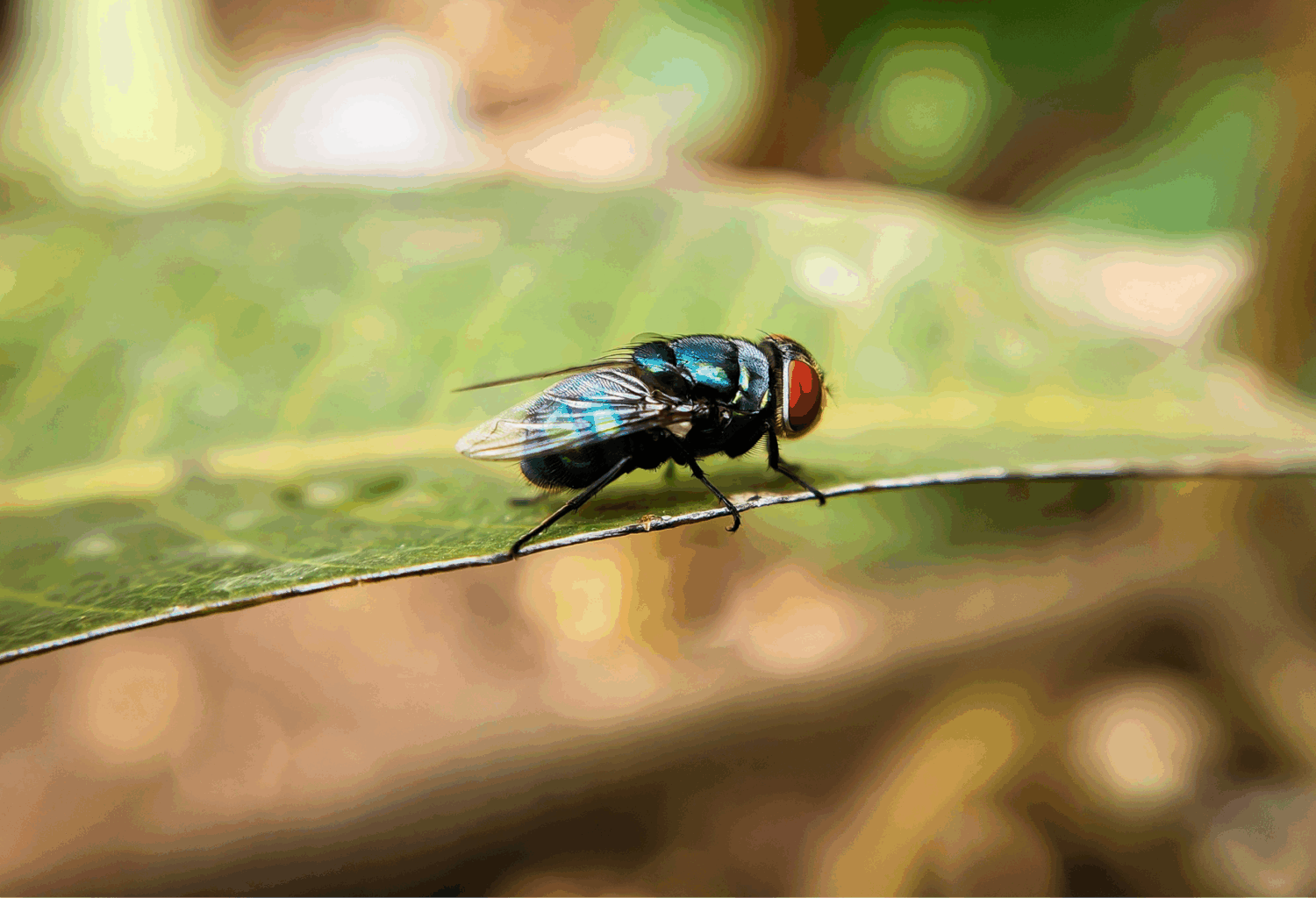
New World Screwworm was eradicated from the U.S. in 1966, but it appears to be staged to make an imminent comeback. Learn implications to companion animals and how to prepare your team and your clients to reduce the risk to your patients.
Advertisement
According to the United States Department of Agriculture Animal and Plant Health Inspection Service (USDA APHIS), an outbreak of the Cochliomyia hominivorax fly, also known as New World screwworm (NWS) has made its way into the United States. Previously eradicated from the U.S. in 1966 by use of a sterile insect technique, this aggressive fly gets its name from its larval stage that uses sharp mouth hooks to destroy tissue as it burrows deeper into its host like a screw into wood.
About NWS
Olufemi A. Akinkuotu, DVM, MVSc, PhD, Assistant Professor of Veterinary Parasitology at Texas Tech University School of Veterinary Medicine, said that this parasite is so concerning both because of how destructive its larvae can be and because of how quickly infestations can spread. “The infestation by the larvae of the fly leads to painful, debilitating and often fatal wounds on various livestock and wildlife,” he said. Economic losses of billions of dollars, he added, in the form of losses of meat, milk, wool, and other products are likely to ensue when the parasite reaches the United States.
However, it’s not just livestock who are at risk. Because this parasite is so aggressive, all species—including humans and pets—are susceptible to infestation. Akinkuoto said that NWS is considered to be a “serious threat” that can be fatal to companion animals as well. And unlike with other parasites typically associated with myiasis, Akinkuotu added that this parasite can initiate wounds in healthy tissue. “A single infestation can cause extensive damage within days,” he said.
What to watch for
Like other parasitic flies whose larvae feed upon wounded flesh, the NWS fly is attracted to the smell of wounds. “However, the [NWS] fly can lay eggs on intact mucous membranes and body cavity of the animal such as nasal passages, genitalia, eyes, and mouth,” Akinkuotu said. “These eggs hatch and the larvae burrow inwards to cause the wound. The wound created could attract other flies.”
NWS is a reportable disease. This means that veterinarians are legally required to report any diagnosed or suspected cases to the USDA and their state animal health officials. Veterinarians should look for the following in warm-blooded animals (birds and mammals) as possible signs of NWS:
- Irritated behavior
- Head shaking
- The smell of decay
- Presence of fly larvae (maggots) in wounds or mucous membranes
- The presence of adult screwworm flies (slightly larger than a common housefly with orange eyes, metallic blue or green body, and three dark stripes along their backs)
“In pets, screwworm infestations may be mistaken for other conditions such as severe abscesses, myiasis from other fly species and necrotizing skin infections,” Akinkuotu warned. “It is important to be suspicious of rapidly worsening wounds with foul odor, visible maggots, especially deep in tissue and tissue destruction disproportionate to the original injury.”
Risk mitigation
Since the recent reintroduction of NWS into the U.S., the USDA has suspended the importation of live cattle, horses, swine, and several other species through ports of entry along the southern U.S. border, although pet dogs are allowed entry. The U.S. and Mexico are also working together to eradicate NWS by waiving restrictions on the transport of equipment and aircraft used to fight against the spread of this parasite. The U.S. continues to participate in the Panama-United States commission for the Eradiation and Prevention of Screwworm (COPEG), which releases sterile male screwworm flies in a barrier zone in Panama in the hopes of slowing the reproduction and spread of this insect.
Pet owners who live in high-risk areas can reduce the risk to their pets in various ways, Akinkuotu said. Even though the larvae can infect healthy living tissue, the NWS fly is particularly attracted to open wounds. Pet owners should also take extra care to reduce their pets’ risk of injury, especially if they spend a lot of time outdoors, are working animals, or if they have exposure to thorny plants, biting flies, or ticks, or if they live in close contact with other livestock species.
Now is the time to act
Pet owners need to understand how to reduce the risk to wounds (including minor wounds and surgical incisions), how to maintain proper hygiene, and when to reach out for help if they are concerned their pet may be affected. Veterinarians should also counsel animal owners on proper biosecurity measures to reduce the risk of any spread.
“Veterinarians must stay informed and prepared,” he said. “Early detection can be live-saving and containment-critical.”
Further reading:
List of countries affected by Rabies, screwworm, and foot-and-mouth disease
US National List of Reportable Animal Diseases System Standards
Photo credit: Dinar Bud/iStock via Getty Images
Disclaimer: Trends™ content is meant to inform, educate, and inspire by providing an array of diverse viewpoints. Any content published should not be viewed as an official stance, position, or endorsement by the American Animal Hospital Association (AAHA) or its Board of Directors.
