Clinical
AAHA introduces four new Standards of Accreditation
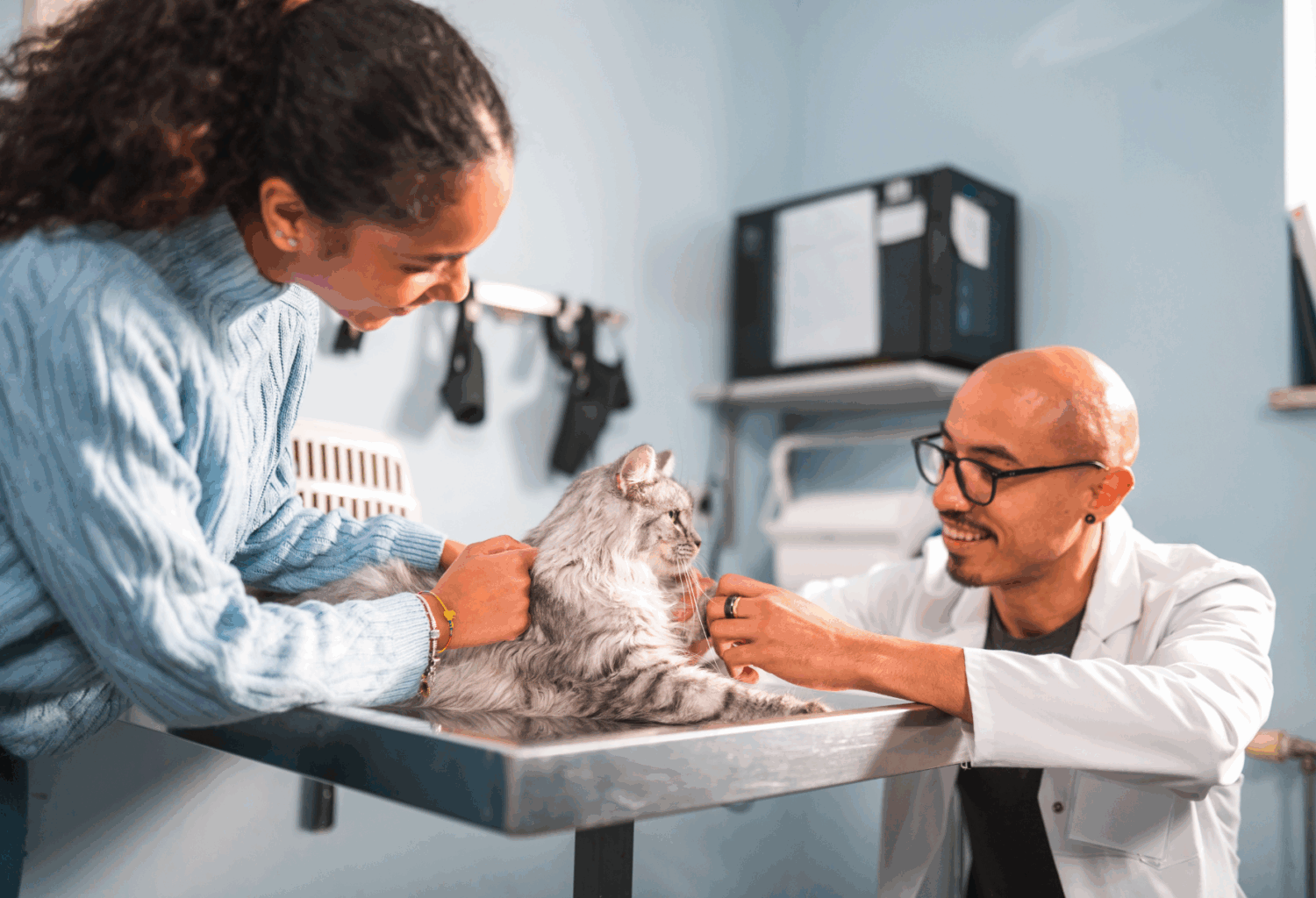
Four new point-based Standards of Accreditation at AAHA aim to encourage member practices to have more conversations about microchipping and discourage them from offering nontherapeutic procedures like feline declawing, debarking, and ear cropping.
Advertisement
From custom cookies to thrilling raffles, there are lots of wonderful ways for accredited practices to celebrate AAHA Day.
This year, AAHA itself is joining in the celebration by announcing the release of four new points-based Standards of Accreditation. These new standards were approved by the organization’s Practice Accreditation Committee and the Board of Directors in the spring and take effect December 1.
For the first time in AAHA’s history, the Standards of Accreditation will address nontherapeutic ear crops, devocalizations, and feline declaws. A standard focusing on the importance of discussing microchipping with pet owners has also been added to the AAHA Accreditation process.
All four standards (detailed below) will be included in any upcoming evaluations.
Discouraging nontherapeutic procedures
Three of the new standards discourage member practices from performing or referring the following procedures when done in a nontherapeutic capacity, as outlined in AAHA’s Position Statements.
- Devocalization. Also known as debarking or ventriculocordectomy, this procedure is often ineffective in achieving the desired results. It can also deprive dogs of engaging in a natural, normal behavior that allows them to communicate. Pet parents seeking help for unwanted barking may find working with a behavioral specialist helpful; this may help them understand the reason behind the barking and whether environmental modifications and/or medication may help.
- Ear cropping. Many breed standards call for elective ear cropping, and some pet owners believe it will reduce the occurrence of otitis (which has not been supported by research). Instead, this procedure can lead to incisional infections with no functional benefit. AAHA recommends the discontinuation of elective procedures such as this within member practices.
- Feline declawing. Declawing is not simply the removal of the claw; it requires the amputation of the third bone in each toe. It comes with inherent risks and complications, and has been linked to increased likelihood of chronic pain, inappropriate urination, biting, and overgrooming. While pet owners can find excessive or inappropriate scratching problematic, scratching is a normal and healthy feline behavior that cats should be able to express on suitable surfaces (like scratching posts). Training cats to scratch on appropriate surfaces can be reinforced through positive reinforcement; regular nail trims and/or the use of nail caps may also help. This new standard is aligned with both the AVMA and Feline VMA’s positions on the procedure.
These procedures should only be performed when there is a clear medical necessity. For instance, in the case of feline declawing, tumors or chronic infections may make claw removal medically necessary, but if this is the case, the procedure should follow best amputation practices. The final decision about the medical necessity of a procedure, however, should be left to the discretion of the veterinarian.

“At AAHA, we know that one of our core strengths is in our standards of accreditation,” said AAHA Board President Scott Driever, DVM. “I am proud to be part of an organization that feels strongly enough about our position statements to now include them as part of our standards.”
Encouraging animal identification
The fourth new standard aims to increase the number of pets who are microchipped and ensure the implanted chips have remained functional and haven’t migrated out of place.
Starting with a patient’s very first visit, practices are encouraged to talk to families about microchipping. Explaining how much more likely it is for a pet to be reunited if they’re microchipped (52.2% for dogs, 38.5% for cats) compared to if they’re not (21.9% for dogs, 1.8% for cats, according to the AVMA) can go a long way toward ensuring compliance. After all, while collars and tags are important, they can easily come off (or be removed); a microchip cannot.
Then, on an annual basis, practices are asked to verify both the chip’s functionality and location. This could be a good reminder for pet parents to update their contact information connected to the chip if needed, too.
“These new guidelines represent a major milestone in AAHA’s mission to elevate the standard of veterinary care. We hope that these updates empower your team to provide excellent care that truly aligns with current best practices,” said AAHA’s Chief Medical Officer Jessica Vogelsang, DVM.
“We’re proud to share these updates as a reflection of AAHA’s commitment to simplifying your journey toward excellence,” she said, “which includes not only the important work you do in practice, but also the purpose and principles behind that work.”
Member practices (and practices interested in learning more about membership) can reach out to their Practice Consultant or Accreditation Specialist, or email [email protected] with any questions about the new Standards of Accreditation.
Photo credit: AzmanL/E+ via Getty Images
Disclaimer: Trends™ content is meant to inform, educate, and inspire by providing an array of diverse viewpoints. Any content published should not be viewed as an official stance, position, or endorsement by the American Animal Hospital Association (AAHA) or its Board of Directors.
