Clinical
From the Guidelines: Diagnosing allergic skin disease in the canine patient
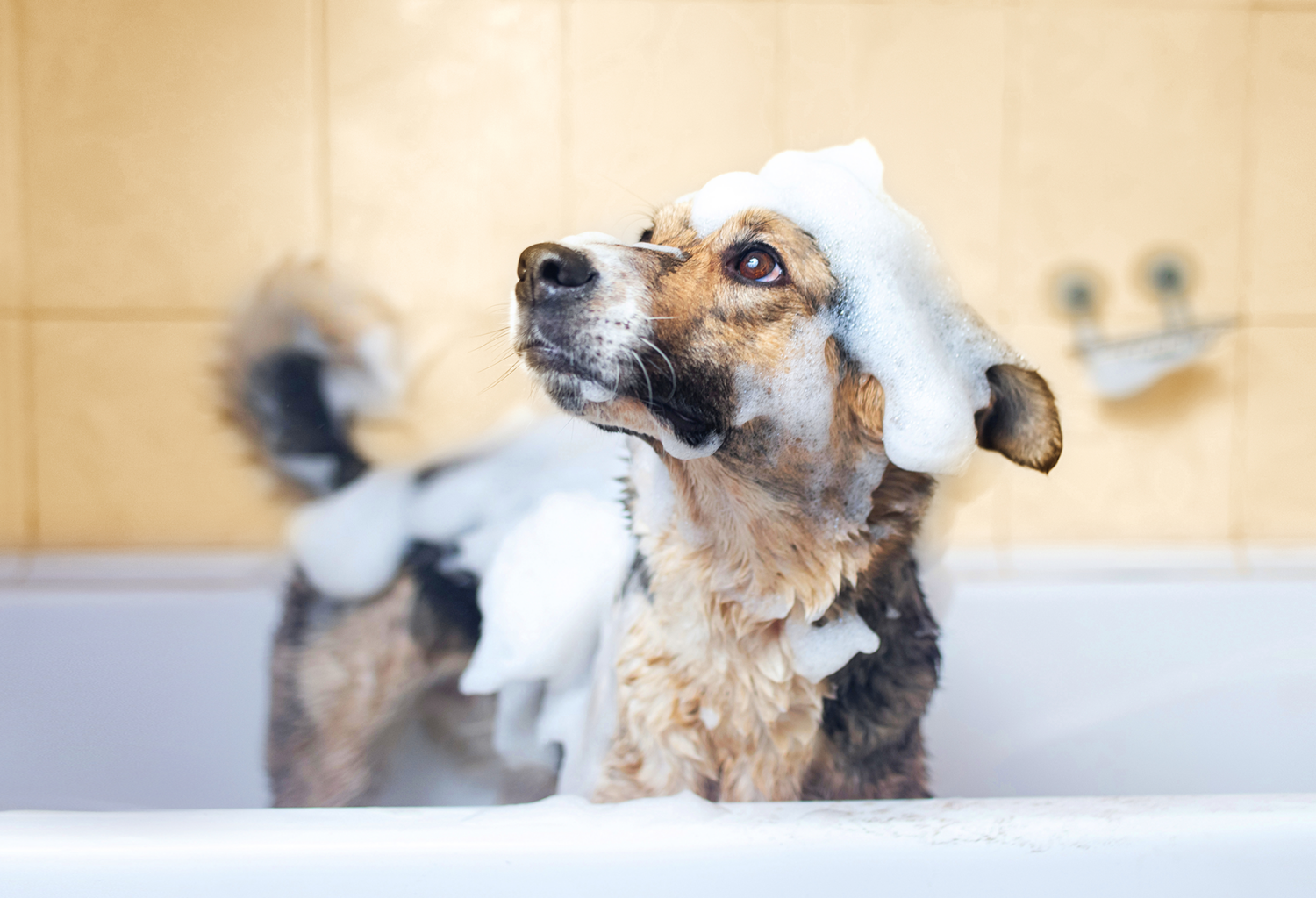
August is “Itchy Pet Awareness Month,” and AAHA has just the thing to scratch that itch: the 2023 AAHA Management of Allergic Skin Diseases in Dogs and Cats Guidelines!
Advertisement
Itchy dogs are the bane of light sleepers, the nightmare of misophonic ASMR-haters, and can induce groans from veterinary staff when seen on the appointment list. Of course, that itchy skin is uncomfortable for the poor pup, too. When a client brings in a dog that is licking, scratching, or gnawing on some part of themselves, they all have one thing in common: they want it to stop.
Thankfully, AAHA has your back!
Advertisement
The 2023 AAHA Management of Allergic Skin Diseases in Dogs and Cats Guidelines has detailed diagnosis and treatment plans to help guide you to better patient outcomes and improved client satisfaction.
Follow the recommended steps below to diagnose itchy dogs, and for more details, check out the algorithm for diagnosing canine allergic skin disease available in the guidelines. You can access this and more for free from the AAHA guidelines website. Download the Canine Diagnosis Algorithm here.
- Clinical History and Dermatologic Physical Examination
A detailed history, including a review of previous medical records, should be obtained. Information regarding seasonality, pruritus level, ectoparasite prevention, and response to previous therapies are all paramount in the workup of the pruritic dog. A complete physical examination, including flea combing and otoscopic examination, should be performed. Remember to assess the skin in areas where inflammation may be less obvious, like paws, claws, skin folds, and perianal, axillary, and inguinal regions.
- Minimum Dermatologic Database
A minimum dermatologic database should be collected including skin cytology, skin scrapings, ear cytology (if ear disease is present), and DTM (Dermatophyte Test Medium) culture if indicated. - Treat Pruritus
This is a key aspect of managing both the patient’s and pet caregiver’s quality of life. Consider antipruritics and/or topical therapy, keeping in mind that these therapies may be less effective if an active infection is present. - Treat Secondary Infections and Ectoparasites
Secondary bacterial and yeast infections and otitis externa must be treated concurrently with controlling pruritus and diagnosing the underlying allergic disease. Prescribe a flea and tick preventive and discuss compliance with the client. - Recheck, Verify Medication, and Assess Response to Treatment
Response to therapy should be assessed 14 days after initiation, and it is recommended to discontinue one medication at a time to help determine which, if any, were responsible for the response. - Diet Trial
Diet trials should be conducted for 4-12 weeks, and a food challenge performed to confirm the diagnosis if there is a positive response. (see Section 1 of the Guidelines for more information on conducting and assessing diet trials).
Itching for even more derm knowledge?
The AAHA Management of Allergic Skin Diseases Guidelines Certificate Course delivers practical, evidence-based guidance that transforms how you approach dermatologic cases.
In the certificate course you will master the art of diagnosing, treating, and managing challenging dermatology cases, as well as strategies for client communication and creating team-based workflows.
AAHA’s veterinary practice guidelines offer the latest clinical and nonclinical guidance on a wide range of topics. From the Guidelines presents bite-sized nuggets of wisdom from these guidelines for the practice team to consider.
Photo credit: © Aleksandr Zotov via iStock/Getty Images Plus
Disclaimer: Trends content is meant to inform, educate, and inspire by providing an array of diverse viewpoints. Any content published should not be viewed as an official stance, position, or endorsement by the American Animal Hospital Association (AAHA) or its Board of Directors.
