Clinical
One Health connections: How feline cognitive dysfunction syndrome (CDS) research benefits from Alzheimer’s research
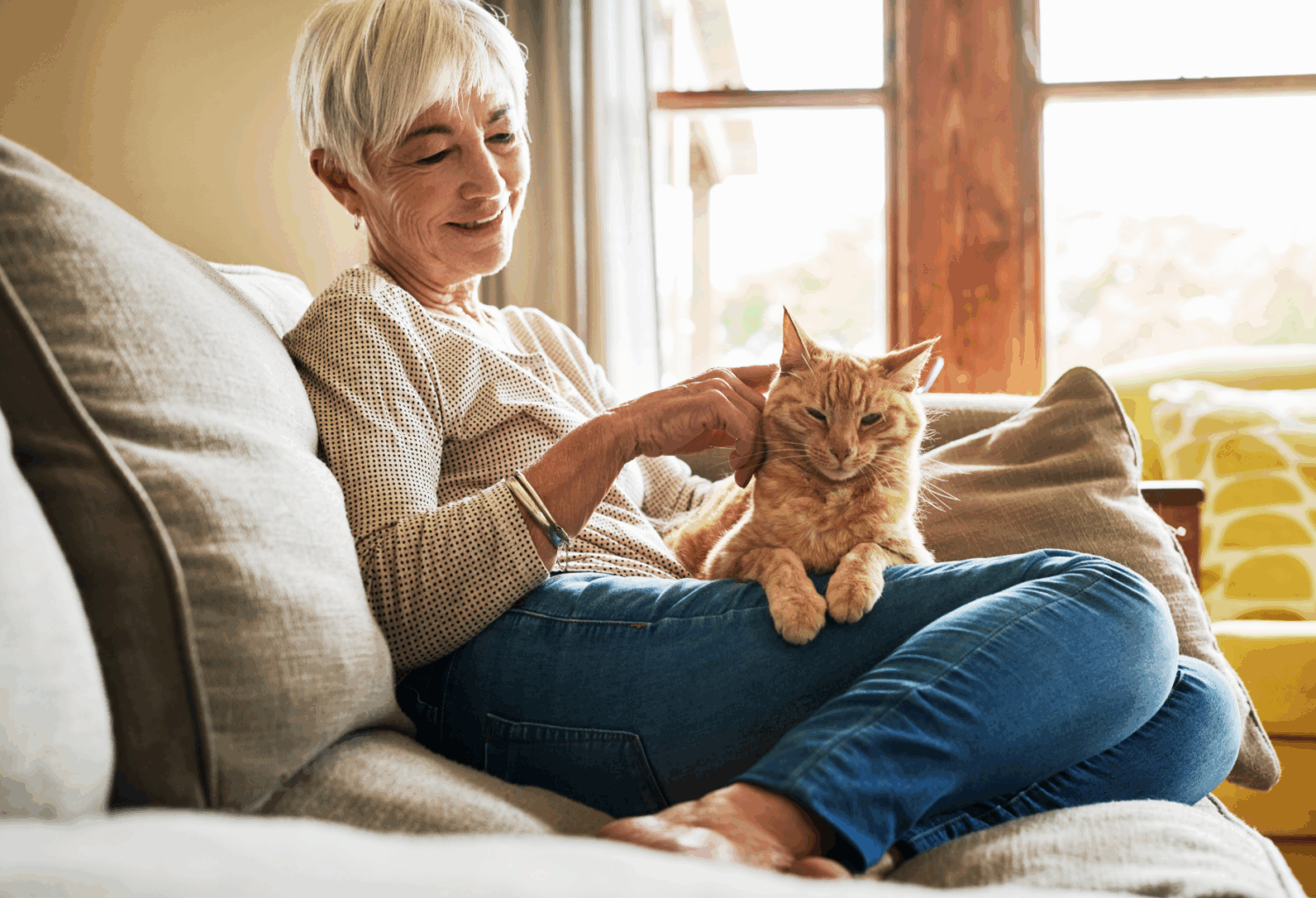
New research on feline cognitive dysfunction has promising implications for human Alzheimer’s research.
Advertisement
A recent study in cats that has implications for both animals in humans is shedding light on the similarities between Alzheimer’s disease and feline cognitive dysfunction syndrome (CDS).
Robert McGeachan, BVM&S, MScR, PhD, AFHEA, MRCVS, principle investigator on the study and resident in veterinary neurology and neurosurgery at the Royal (Dick) School of Veterinary Studies at the University of Edinburgh, said that while there is still much to learn, both cats and humans appear to be similar in the sense that they both tend to accumulate the same two proteins in the brain—amyloid beta and tau—with age.
And while previous research has confirmed that amyloid beta accumulates in some cats’ brains with age, the connection between amyloid deposition and secondary inflammation in the brain had not previously been made in cats.
“This is one of the first studies to show that [amyloid beta] is having a toxic effect” in cats, he said. “It’s causing inflammation and synaptic engulfment. This gives a little bit more strength to the argument that the amyloid beta is bad.”
The study
Researchers evaluated samples of feline brain tissue from deceased pet cats whose owners had consented to donate their pets’ bodies for research. They then correlated their findings with a history of clinical signs suggestive of CDS in these same cats.
They found increased accumulation of amyloid beta colocalized with the neuronal synapses in the brains of older cats and cats who had signs suggestive of feline CDS. They also noted increased gliosis (inflammation of brain cells) and synaptic engulfment (destruction of the site of electrical communication between brain cells) in the vicinity of amyloid beta plaques in some of the cats.
Amyloid beta
McGeachan said that amyloid beta is formed from amyloid precursor protein, a naturally occurring protein in the brain that is thought to be a part of the architecture and function of neurons and synapses.
“What happens in Alzheimer’s disease is this protein is cleaved and forms amyloid beta, which then starts to form these toxic aggregates,” he explained. “So, it kind of sticks together and forms these large aggregates of protein.”
These aggregates, also called plaques, stimulate the immune system and cause localized inflammation called gliosis. “The immune cells become overactive…and they start eating up or engulfing synapses,” McGeachen explained. “And it seems to be that they’re not just eating the synapses that are degenerating, but they’re also eating healthy synapses.”
This pathway is referred to as the amyloid cascade hypothesis.
Why exactly this happens is still unknown. Is it due to one or more genetic mutations? Is it oxidative stress? Is it inflammation? Age? Other comorbidities or risk factors? These possibilities are all subjects of debate and ongoing research.
And, according to McGeachan, it’s not the only question left unanswered. “Some people can have lots of amyloid beta in the brain, but no signs of cognitive decline,” he said. His research showed a similar finding in cats—not all cats with significant amyloid beta deposition had shown clinical signs of cognitive dysfunction prior to their deaths.
“We don’t really understand why,” McGeachan said. “It could be that some animals develop the amyloid beta buildup, but the immune response doesn’t respond in the same way, or the amyloid beta is may not be as toxic.”
Areas of future veterinary research
In humans, two monoclonal antibodies (aducanumab and donanumab) are currently showing some promising results in the treatment of Alzheimer’s Disease, McGeachan said.
These monoclonal antibodies remove the amyloid beta that’s in the brain, and he said that they slow the reduction in cognitive decline in humans by 20 to 30%.
While he acknowledged it’s not a “perfect treatment,” (some patients have experienced non-life-threatening microbleeds in the brain after treatment), he sees monoclonal antibodies as a promising treatment option for animals over the next 5 to 10 years.
Human clinical trials are also ongoing for multiple anti-inflammatory drugs targeting inflammation in the brain secondary to amyloid beta deposition, and it’s possible some of these drugs may hold promise for treatment of animals as well.
AAHA’s One Health Guidelines
There are many elements to One Health, ranging from identifying similarities in human and animal diseases and treatments to acknowledging the personal or environmental factors that might impact a client and their pet. The 2025 AAHA One Health Guidelines: Navigating Cross-Disciplinary Partnerships provides resources to help veterinary professionals take a family-centered, collaborative approach to human and animal health care.
Apart from treatments, McGeachan noted that blood tests have now been developed to detect biomarkers in humans that can predict the likelihood of Alzheimer’s disease before they develop any symptoms of disease, and he hopes similar tests will be available for cats and dogs in the future.
“This creates a window where you can start treatment before all of this irreversible damage is done to the brain,” he explained, imagining that in the future such a test could be a part of a senior pet bloodwork panel to screen for the risk of CDS along with other age-related diseases.
The benefits of One Health research
In the study questionnaire completed by cat owners, McGeachan and his co-investigators noted that one third of cats over the age of 11 and about one half of cats over the age of 15 showed at least one sign of CDS.
He sees this as a sign of progress in veterinary medicine, but also a need for further scientific discovery and treatment options.
“As veterinary medicine as a whole is advancing, cats and dogs are going to live for longer and probably we’re going to see more and more cats and dogs developing more quality-of-life-limiting cognitive dysfunction,” he said. And that will likely mean more pet owners looking for treatment options for their beloved companions.
Thankfully, many of the research findings for Alzheimer’s disease appear to be applicable to CDS in cats (and they may be for dogs as well). McGeachan said the attention and research funding dedicated to Alzheimer’s disease is a “silver lining” for animals who may be at risk for similar cognitive dysfunction.
“I think from the veterinary point of view, benefiting from the advancements in human medicine as much as possible is quite important.”
Photo credit: DMP/E+ via Getty Images
Disclaimer: Trends™ content is meant to inform, educate, and inspire by providing an array of diverse viewpoints. Any content published should not be viewed as an official stance, position, or endorsement by the American Animal Hospital Association (AAHA) or its Board of Directors.
