Partner Content
Ready to bite back against parasites? Take the test.

Parasites don’t follow a calendar, and they don’t take a fall break. Fleas, ticks, and the risk of heartworm disease can remain in conditions most think are safe – causing trouble and potentially transmitting serious diseases that are difficult or even impossible to treat in dogs.
Sponsored content by Boehringer Ingelheim
Whether you’re on the clinic floor or caring for your own dogs, understanding how parasite risk shifts through the seasons is essential for effective protection.
Test your seasonal parasite knowledge
Take this quick quiz to test your seasonal parasite knowledge and you might be surprised by what you learn.
1. Below what temperature do most ticks become inactive?
- a. 50°F
- b. 40°F
- c. 32°F
- d. 60°F
2. True or False: Freezing temperatures are enough to kill all flea life stages outdoors.
- a. True
- b. False
3. According to the Companion Animal Parasite Council, more than 17,000 cases of roundworm infection were reported across the United States—as far north as Maine—in which month?1
- a. November 2024
- b. December 2024
- c. January 2025
- d. February 2025
4. What is the minimum temperature required for heartworms to become infectious in the mosquito?
- a. 32°F
- b. 45°F
- c. 57°F
- d. 65°F
5. True or False: Because of microclimates in urban areas, the risk of heartworm disease transmission never reaches zero—even in colder months.
- a. True
- b. False
See How You Did
Below what temperature do most ticks become inactive?
b. 40°F2
Tick activity decreases significantly below this point, but any species can survive cold weather by going dormant and hiding out in leaf piles or under snow.
True or False: Freezing temperatures are enough to kill all flea life stages outdoors
b. False
Flea eggs can survive cold temperatures longer than expected.3 While freezing outdoor temperatures can reduce survival, flea adults, eggs, larvae and pupae may continue development indoors where it’s cozy and warm.
According to the Companion Animal Parasite Council, more than 17,000 cases of roundworm infection were reported across the United States—as far north as Maine—in which month?1
c. January 2025
Many parasites, including roundworms, are more hardy than pet owners believe. They are capable of surviving for months in cold temperatures, infecting pets once ingested.4,5
What is the minimum temperature required for heartworms to become infectious in the mosquito?
c. 57°F6
This is the minimum temperature for heartworm larvae to mature inside mosquitoes, making the time between seasons more dangerous than many pet owners realize.
True or False: Because of microclimates in urban areas, the risk of heartworm disease transmission never reaches zero—even in colder months.
a. True
While heartworm transmission decreases in winter months, factors like some species of mosquitoes overwintering and microclimates in urban areas mean the threat remains.7
Knowledge is Protection
Understanding how temperature affects parasite behavior isn’t just interesting – it’s essential. Whether you’re guiding clients in your clinic or making choices at home, being aware of the real risks behind seasonal changes helps close the gap between perception and prevention.
By spreading accurate information, challenging common myths and choosing year-round protection from trusted, combination-protection products, we can all help ensure pets stay safe – no matter the weather.
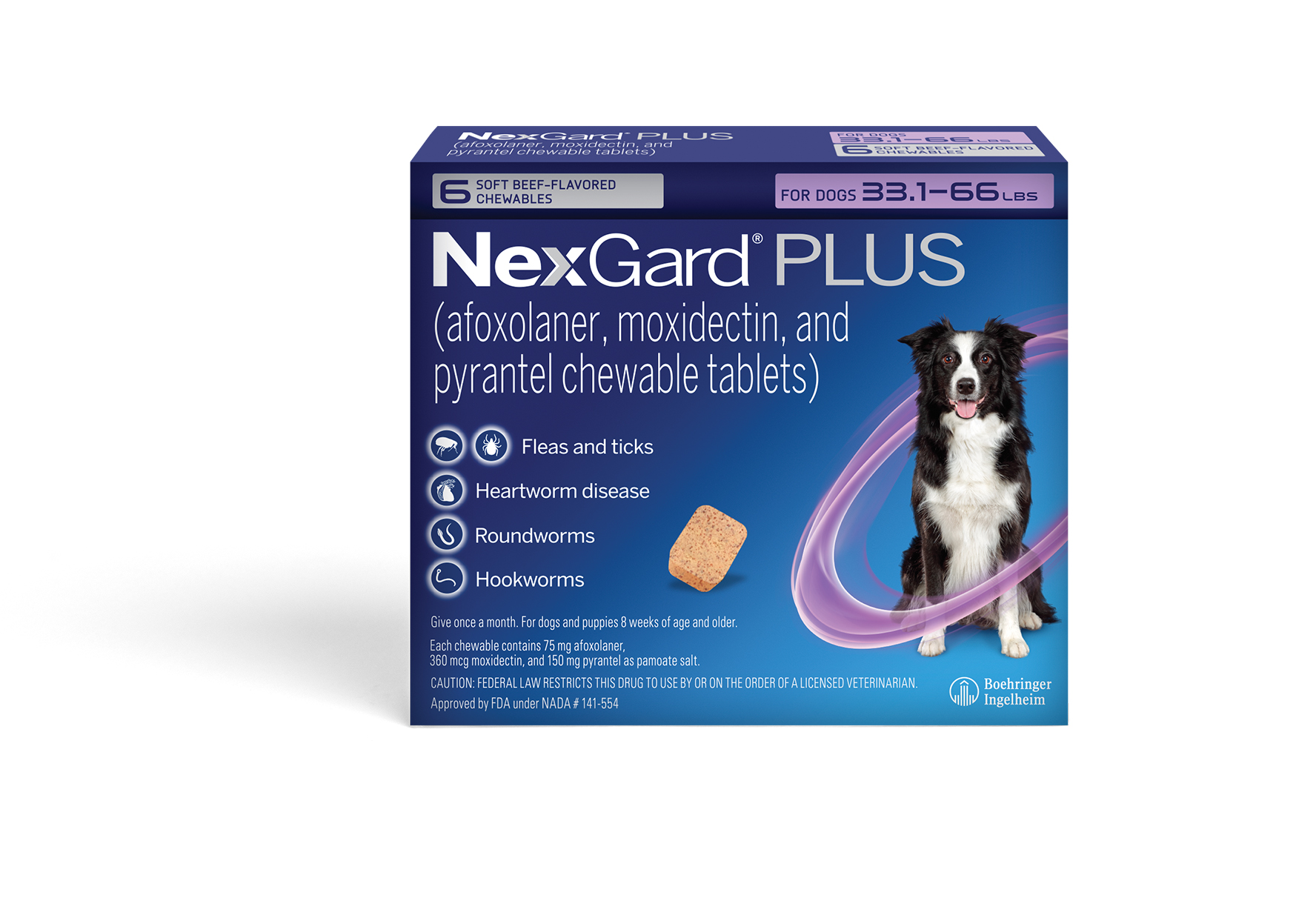
NexGard® PLUS (afoxolaner, moxidectin and pyrantel chewable tablets) can help improve the lives of dogs, their owners and veterinary teams.
One monthly chew prevents heartworm disease, protects against fleas and ticks, and treats and controls roundworms and hookworms—plus, prevents Lyme infections.*
*As a direct result of killing black-legged ticks.
IMPORTANT SAFETY INFORMATION: NexGard® PLUS is for use in dogs only. The most frequently reported adverse reactions include diarrhea, vomiting, lethargy, and itching. Use with caution in dogs with a history of seizures or neurologic disorders. Dogs should be tested for existing heartworm infection prior to starting a preventive. For more information, click here for full prescribing information or visit NexGardPLUSClinic.com.
References:
- Parasite Prevalence Maps. Companion Animal Parasite Council. Published 2025. Accessed August 1, 2025. https://capcvet.org/maps/#/2025/january/roundworm/dog/united-states
- The Tick Lifecycle – Lyme & Tick-Borne Disease Testing & Statistics. https://www.ticklab.org/blog/2020/12/01/the-tick-lifecycle/
- Dryden MW. Biology of fleas of dogs and cats. Compend Contin Educ Pract Vet. 1993;15(4):569-577.
- Companion Animal Parasite Council. (n.d.). Trichuris vulpis: Prepatent period and environmental factors. https://capcvet.org/guidelines/trichuris-vulpis/
- Companion Animal Parasite Council. (n.d.). Ascarid: Prepatent period and environmental factors. https://capcvet.org/guidelines/ascarid/
- Cornell University College of Veterinary Medicine. Heartworm Disease Infographic. Cornell University; [date unknown]. Accessed July 31, 2025. https://www.vet.cornell.edu/sites/default/files/Heartworm%20Disease%20Infographic%20Final_1.pdf
- American Heartworm Society. Current Canine Guidelines for the Prevention, Diagnosis, and Management of Heartworm (Dirofilaria immitis) Infection in Dogs. Updated November 2024. Accessed August 1, 2025. https://d3ft8sckhnqim2.cloudfront.net/images/AHS_Canine_Guidelinesweb22NOV2024.pdf
NexGard® is a registered trademark of Boehringer Ingelheim Animal Health France, used under license. ©2025 Boehringer Ingelheim Animal Health USA Inc., Duluth, GA. All rights reserved. US-PET-0939-2025
