Clinical
Multidrug resistance: A One Health approach
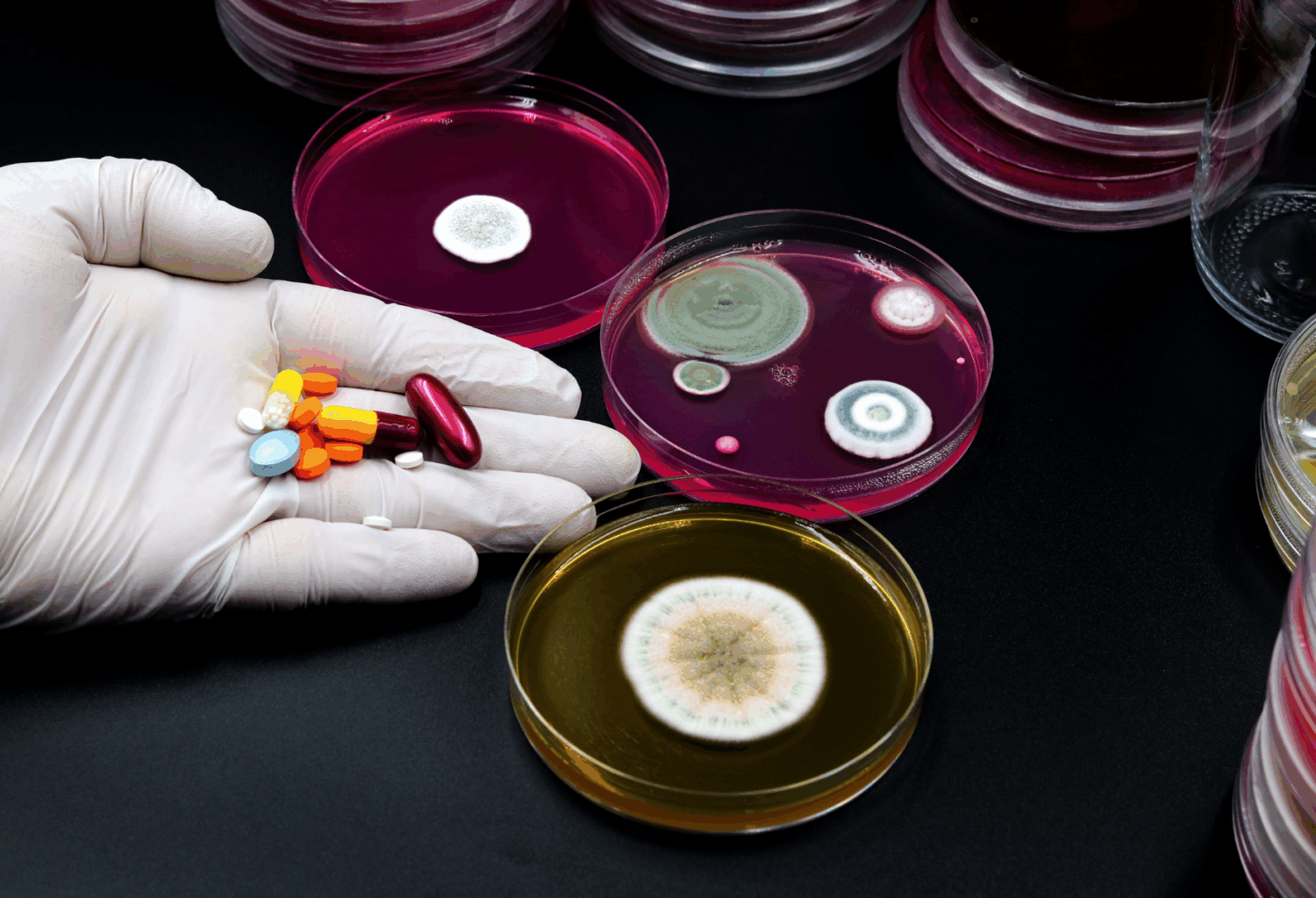
“Antibiotic resistance doesn’t respect fences,” said Yosra Helmy, DVM, MVSc, PhD. That’s why it’s so important to employ strategies such as antimicrobial stewardship, biosecurity, and client education to avoid selecting for new multi-drug resistant bacteria.
A recent study in the journal Antibiotics identified an increasing prevalence of multidrug resistant (MDR) Salmonella enterica isolated from cattle, highlighting the public health risk associated with widespread antibiotic use in humans and animals. Researchers characterized MDR S. enterica subspecies with biofilm-forming ability, some of which also demonstrated swarming and/or swimming motility along with one or more virulence genes. These bacteria were frequently resistant to treatment with critically important or last-resort drugs including macrolides (azithromycin and clindamycin), imipenem, and chloramphenicol, as well as other commonly used antibiotics.
Yosra A. Helmy, DVM, MVSc, PhD, Associate Professor of One Health & Infectious Diseases in the Department of Veterinary Science at the University of Kentucky, was the lead investigator on the study, and she explained that the implications of this discovery extend far beyond cattle farms.
Advertisement
“MDR Salmonella is a shared-risk pathogen, not a single-species problem,” Helmy said. “It can move from cattle to other food animals and even to our dogs, cats, and horses, then back to people, while sharing resistance genes along the way.”
Mechanisms of antibiotic resistance
The Salmonella spp. in question have developed multiple mechanisms by which they can evade antimicrobial destruction.
Helmy explained that biofilms can complicate bacterial clearance by protecting them from exposure to antibiotics and changing the bacteria’s growth and metabolic rates. This results in lower antibiotic penetration rates and decreased bacteria killing as a result. But this is not true antibiotic resistance.
According to Helmy, there are several factors that contribute to true antibiotic resistance in the Salmonella species she studied including:
- mutations that code for β-lactamases that can inactivate cephalosporins
- target mutations and plasmids that cause resistance to fluroquinolones
- alterations in efflux pump expression and membrane permeability that increase the minimum inhibitory concentrations of antibiotics needed for antibiotics of all classes to be effective.
“That’s why we pair anti-biofilm and anti-virulence tools with precise diagnostics and smart antibiotic use, so lifesaving drugs keep working for animals and people.”
The primary cause of antibiotic resistance in cattle is the use of antibiotics on cattle farms, which tend to kill off susceptible bacteria and select for the proliferation of antibiotic-resistant organisms.
But, Helmy said, antibiotic use on farms is not the only contributing factor. “Antibiotic resistance doesn’t respect fences,” she said. “Even when we use drugs responsibly in cattle, resistant bacteria and genes from human and companion-animal use can cycle through wastewater, soils, and wildlife and re-enter farm ecosystems.”
Multidrug resistance in companion animals
A study from 2021 measured rates of MDR Salmonella spp. in pet cats in urban settings in Romania. The results indicated that 18.82% of the cats tested were positive for one or more Salmonella serotypes, all of which demonstrated resistance to at least three different antibiotic drug classes. A positive association was noted between the presence of Salmonella spp. in fecal samples and consumption of raw food (especially raw meat).
According to the study authors, other factors that affect Salmonella infections in cats include where cats live (urban vs rural), whether cats go outside, their owners’ food handling practices, and the time of year (bacteria grow faster in warmer weather and cats may have more exposure to undercooked meat when their owners are more likely to grill during warmer months).
The Center for Disease Control and Prevention recommends against feeding raw pet foods or treats to dogs and cats, and their pet food safety website provides guidance on the safe handling of pet food and food containers to reduce the risk of food-borne illness for both pets and people.
2025 AAHA One Health guidelines: Navigating Cross-Disciplinary Partnerships
The 2025 AAHA One Health Guidelines: Navigating cross-disciplinary partnerships provide expert insights and detailed roadmaps to help veterinary professionals work seamlessly with other healthcare professionals within a One Health System. Read up on common scenarios, case studies, and more.
Strategies to reduce antibiotic resistance
Veterinary professionals in all parts of the industry can help to reduce future antibiotic resistance by practicing responsible antimicrobial stewardship and preventing infection spread through a combination of vaccination and proper biosecurity practices.
“Stewardship is doing the simple things well,” Helmy explained. “Diagnose before you dose; right drug, right animal, right time, right duration, and pairing that with prevention and proven alternatives.”
This also means avoiding prophylactic or “just-in-case” antibiotic use and limiting perioperative antibiotic use to instances when evidence indicates it is appropriate. In cases of ear or skin infections, the use of approved topical antiseptics when indicated can reduce selection for antibiotic-resistant bacterial populations. Client education on appropriate use of antibiotics is important as well.
Another example of stewardship is restricting the use of what Helmy refers to as “critically important” antibiotics (like vancomycin or imipenem) to hospital pharmacies that can carefully audit and control their use. Veterinary professionals can contribute bacterial isolates and data about their antimicrobial use to surveillance networks and research studies to uncover trends in microbial spread and drug resistance.
2022 AAFP/AAHA Antimicrobial Stewardship Guidelines
If you are looking for ways to be more responsible with your antimicrobial use, these guidelines provide evidence-based recommendations and actionable advice to get you started. The guidelines include information about the appropriate use of diagnostics, resources for optimizing therapeutic efficiency, and client education tips to help pet owners understand how to best treat their pet while reducing the prevalence of future antibiotic resistance.
Apart from antimicrobial stewardship, Helmy stressed that biosecurity measures such as isolation, hand hygiene, thorough cleaning and disinfection, and management of manure and water runoff can be hugely beneficial to reduce the likelihood of infection.
2018 AAHA Infection Control, Prevention, and Biosecurity Guidelines
Veterinary professionals have to think about infectious diseases on a daily basis, both from the standpoint of disease prevention, but also treating patients who become infected. Part of that work also includes prevention the spread of infectious disease, both inside and outside the veterinary clinical setting. These guidelines provide valuable resources for practices that want to establish or improve their infection control, prevention, and biosecurity protocols, train their staff, and educate their clients on ways to reduce the risk of infectious disease spread.
Other strategies that may reduce the need for the use of antibiotics include vaccination and client education, Helmy said. Vaccines that protect against bacterial diseases such as Bordetella, leptospirosis, and Lyme disease may reduce the need for the use of antibiotics to treat cases of these diseases in dogs. The same can also be true for other animal species and humans and the vaccines that protect against bacterial infections pertinent to their species and exposure risks.
AAHA Canine and Feline Vaccination Guidelines
To make sure you’ve got all the information you need to discuss core (and non-core) vaccines with your clients, be sure to bookmark the 2022 AAHA Canine (updated in 2024) and 2020 AAHA/AAFP Feline Vaccination Guidelines.
The value of client education and a One Health approach
Client education can help animal owners understand the ways they can reduce the risk of infectious disease in animals and for themselves. Helmy highlighted the importance of recommending against raw pet food diets and treats, both of which can serve as sources of infection to animals, humans, and the environment. Helping clients have realistic expectations around the appropriate use of antibiotics can also decrease misunderstanding and disappointment when they learn an antibiotic will not be prescribed for their animal.
Additionally, Helmy pointed out that clients who seek care for their pets may also have contact with other animal species, including poultry, horses, and livestock. Teaching them about the importance of infectious disease control and prevention can help reduce disease spread between environments and between species.
“Veterinarians are One Health ambassadors,” Helmy said. “Each culture you send, each narrow prescription you write, and each conversation you have about biosecurity or raw diets protects animals and also shields the family…and the broader community by slowing the spread of antibiotic resistance.”
Further reading:
Photo credit: TopMicrobialStock/iStock via Getty Images
Disclaimer: Trends™ content is meant to inform, educate, and inspire by providing an array of diverse viewpoints. Any content published should not be viewed as an official stance, position, or endorsement by the American Animal Hospital Association (AAHA) or its Board of Directors.
