Cancer
AAHA Research: Cancer care challenges and helpful resources
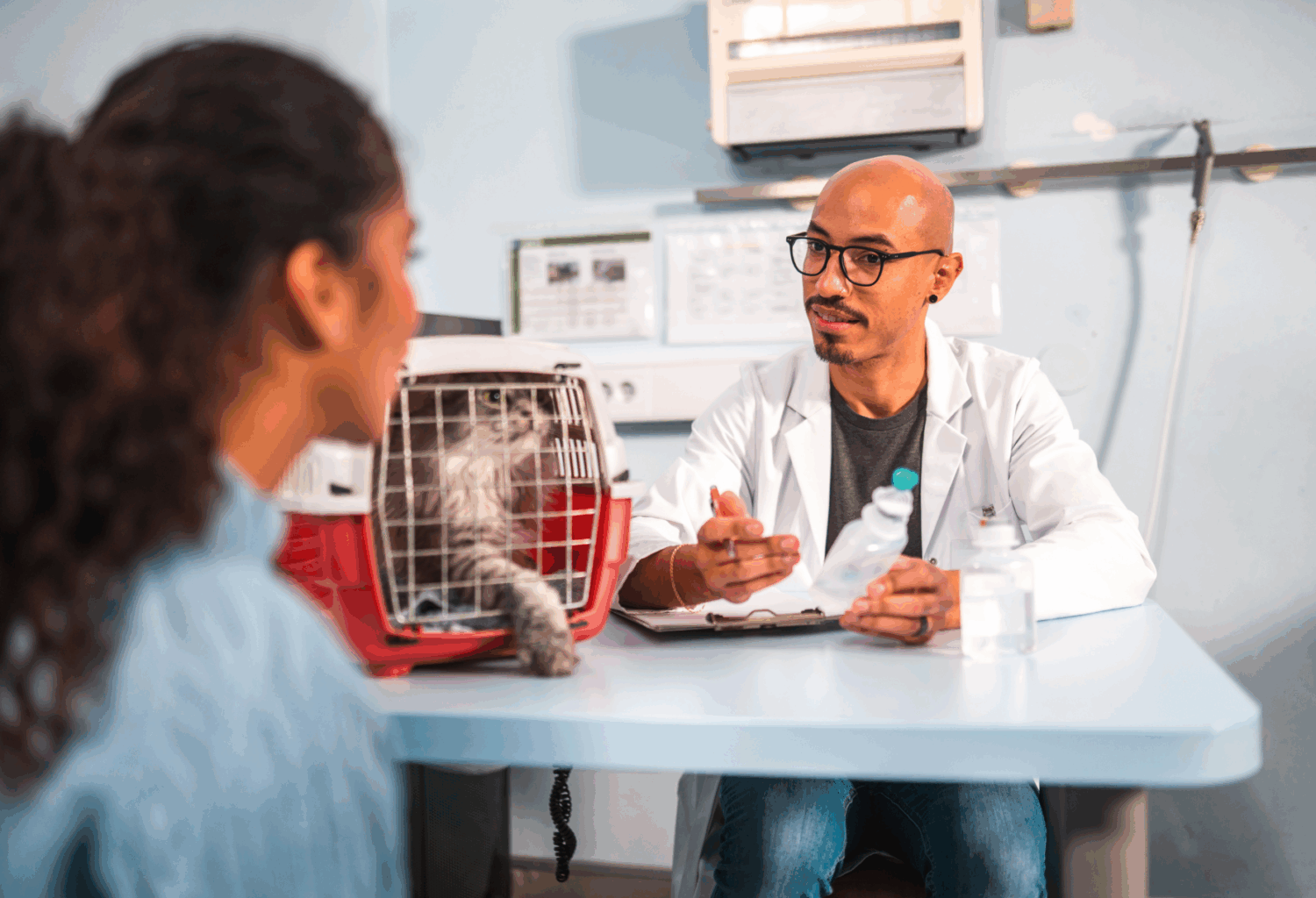
What do you find most challenging about oncology cases? AAHA recently surveyed over 300 veterinary professionals to better understand what parts of the cancer care journey they find most difficult, as well as the companies, brands, and resources they rely on for support.
Advertisement
When it comes to providing cancer care, what do you find to be the most challenging aspects? Where could you use more support or guidance?
AAHA recently surveyed over 300 veterinary professionals to better understand what parts of the cancer care journey they find most difficult, as well as the companies, brands, and resources they rely on for support.
The responsibilities measured in the study were:
- Communication & emotional burden: Interacting with clients and managing the emotional aspects of care.
- Diagnostic phase: The process of identifying and confirming cancer.
- Operational challenges: The logistical and in-clinic execution of cancer care.
- Systemic or access barriers: External factors limiting access to care or specialists.
- Treatment planning: Developing a therapeutic course of action.
Out of 27 different aspects of care, ranging from finance and client communication to diagnostics, pain management, staff morale, and more, there were two that respondents considered most important:
- Cost of diagnostics needed to identify cancer, guide treatment, and monitor outcomes
- Cost of treatment limits client willingness to proceed
These two factors received more than double the votes for “most challenging” than any of the other 25 factors, so, it’s safe to say that, when it comes to oncology cases, respondents considered the financial aspect the most challenging.
Additionally, respondents noted that aligning treatment plans with client expectations, and the fact the clients often feel overwhelmed by complex treatment information, are . Limited in-house treatment options, inconsistent access to financial support programs, and a lack of clients understanding potential outcomes also ranked highly.
Overcoming oncology care challenges
If you’re experiencing these same challenges in your practice, clearly, you’re not alone. And fortunately, we have some resources that can help.
- The 2026 AAHA Oncology Guidelines, publishing on January 2, will provide primary care veterinary teams with the tools and resources they need to effectively navigate oncology cases with evidence-based recommendations and easy-to-reference charts.
- How familiar are you with financial triage? There are numerous tools available to help bridge the cost-of-care gap for your clients. Becoming familiar with those tools now, and creating systems to efficiently connect your clients with the right tools, can go a long way toward building stronger client relationships and helping them access care when their pet receives a cancer diagnosis.
- Before immediately sending a family over to a specialist, consider consulting with a specialist to see how much of the care plan you can handle in your clinic. This could save the client time (especially since specialty hospitals can be booked out for weeks or months—and that’s assuming you have one in your area), and money, all while helping to establish your connection to them even more strongly.
- Of course, some cancer cases will require the family to work directly with an oncologist, and the 2025 AAHA Referral Guidelines provide a handy roadmap for ensuring the referral process is seamless for you, your client, and the specialist.
- On January 21, AAHA will host the From Guidelines to Growth: Elevating Cancer Care in General Practice webinar. Reserve your spot today!
Photo credit: AzmanL via E+/Getty Images
Disclaimer: The views expressed, and topics discussed, in any NEWStat column or article are intended to inform, educate, or entertain, and do not represent an official position by the American Animal Hospital Association (AAHA) or its Board of Directors.
