Clinical
First ever Emergency Use Authorization granted for veterinary drug Credelio (and what that means for veterinary medicine)
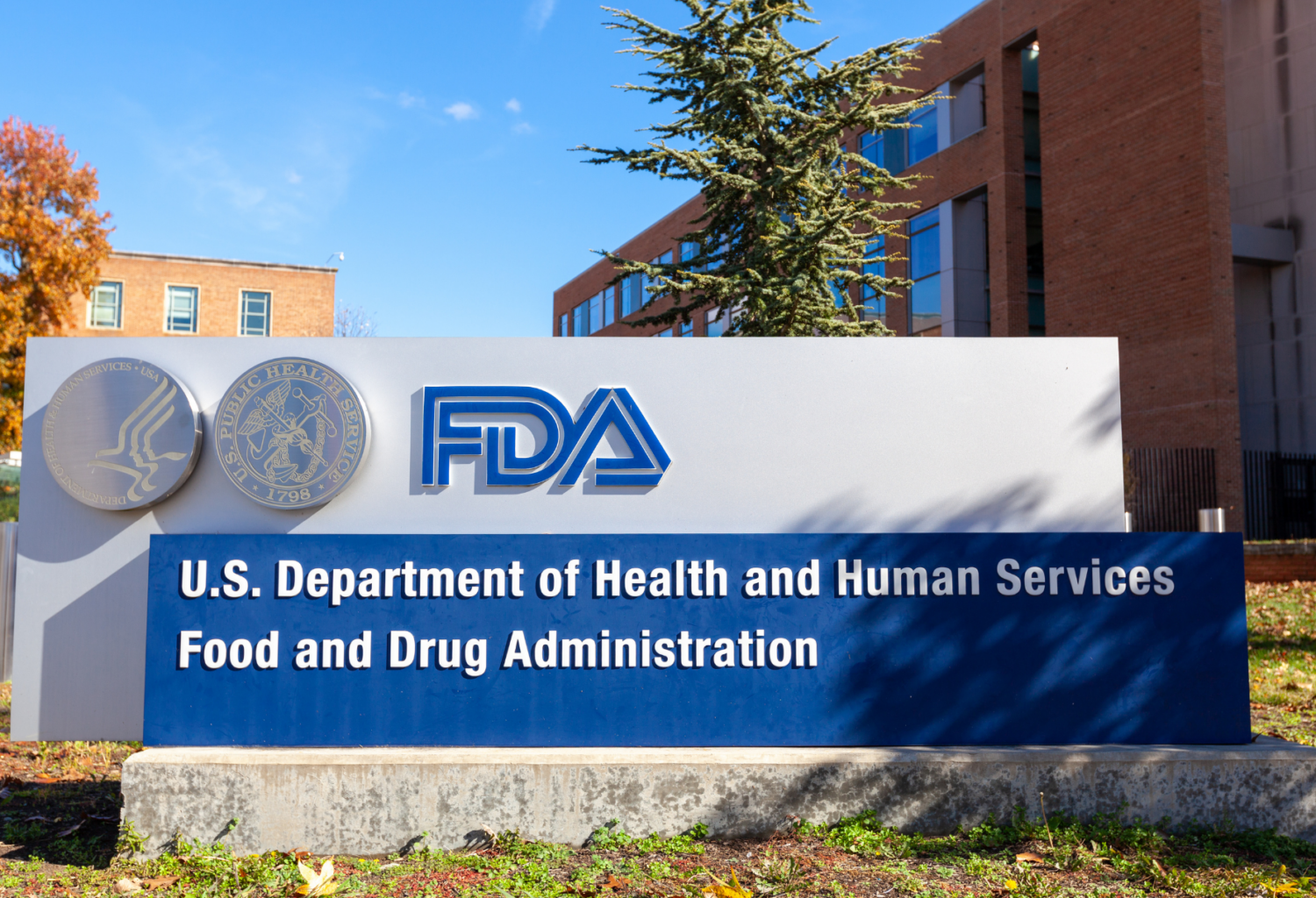
The FDA recenly granted Elanco an Emergency Use Authorization (EUA) for their product, Credelio. Learn more here!
Advertisement
Every drug on the market began with a need. Most medications we use today were developed because a human saw someone in need, and an idea for a new therapeutic was born.
Drug development is a notoriously long process. Once a compound is discovered and tested in laboratory and preclinical research, it must undergo clinical trials to prove its safety and efficacy. The FDA conducts a lengthy review process to determine whether the drug should be brought to market. In general, it takes an average of 9 years to bring a drug through the approval process. But what happens when there is an unmet immediate need for a new treatment?
Advertisement
New World Screwworm (NWS), a devastating flesh-eating fly, has been moving northward toward the southern border of the United States. Officials warned of the devastating consequences should NWS become established in the US once more (previously eradicated in 1966). With no approved products on the market to treat NWS, and a rapidly approaching threat, years of drug development just were not feasible. Immediate action was necessary to protect the nation’s livestock and companion animals. An Emergency Use Authorization by the FDA allows an already approved drug to be used in a new way.
A new use for a new threat
On October 24, 2025, the FDA granted Elanco an Emergency Use Authorization (EUA) for their product, Credelio (lotilaner), in the treatment of New World Screwworm (NWS) in dogs and cats.
This is the first time the FDA has issued an EUA for a veterinary drug. However, there’s a long history of EUAs in human medicine.
In the 1970s and 80s, there were a few incidences where it seemed as though a vaccine or drug would quickly need to become available to fight a threat to public health. Though there was no protocol to follow at the time, vaccines or medications were quickly brought to market to protect public health. Emergency measures were also needed during the anthrax bioterrorism attacks following September 11, 2001. Congress gave the FDA the authority to authorize the use of an anthrax vaccine that had not completed the rigorous safely trials required to bring vaccines to market.
Congress then revisited these previous actions in 2005, and the Emergency Use Authorization was coded into law by the Public Readiness and Emergency Preparedness (PREP) Act. Over the next 15 years, the FDA used its new power sparingly for such threats as Ebola, MERS and Zika virus. Several EUAs were granted during the 2020 COVID-19 pandemic for the vaccines, antiviral drugs, point-of-care testing, and medical devices; some are still in effect today.
The EUA process
The process for obtaining an EUA begins with a threat to public health or a domestic or military emergency. This determination is made by the Department of Health and Human Services (HHS), the Department of Security, or the Department of Defense.
Then, the HHS secretary issues a declaration to support the EUA of the drug or product in question.
“After this, a drug company can submit an EUA request to the FDA if there is no adequate, approved, and available alternative.”, said Lauren Forsythe, PharmD, MBA, DICVP, a board-certified veterinary pharmacist and CEO of Foresight Pharma Solutions. The process for submitting a request is the same for human or animal products, and the company must provide evidence that the product has a reasonable expectation of being effective in addressing the threat.
When all these conditions have been met, the FDA may authorize either an unapproved drug or a drug that has been approved for other indications for emergency use to combat the threat.
EUAs can last as long as necessary. Once the threat has passed, the HHS will end the order.
What veterinarians need to know about prescribing Credelio for NWS under an EUA
Veterinarians treating dogs and cats with NWS are authorized to use Credelio for treatment within the following guidelines. It should be noted that Credelio can be used in this instance for puppies younger than 8 weeks and 4.4 lb, which is outside the age range of the approved use. Veterinarians must inform pet owners the drug is an unapproved treatment that has been authorized by the FDA to use in emergencies. Vet clinics must maintain detailed records including a log of use, the lot numbers of the product, owner name and information, doses administered and dates, and other information. This log must be kept for 2 years following cessation of use. In addition, any serious adverse events must be reported to the FDA.
How drugs with an EUA are used and regulated
EUAs do not constitute an approval of the drug for the new treatment. EUAs are granted for products that may be helpful during a public health emergency for which there is no approved treatment.
The FDA must inform healthcare practitioners of the expected benefits and risks of the product in a concise manner. The product manufacturer is responsible for making this information available for practitioners as well as recipients of the product, typically in the form of a brief fact sheet. Adverse event monitoring and reporting is required just as it is for approved products.
In the case of using Credelio for NWS, Elanco must follow specific guidelines including maintaining chain of command of the product, adverse event collection and reporting, and including a fact sheet approved by the FDA with every shipment. There are limits on direct marketing of Credelio for this use; however, news reporting provides marketing and name recognition for the manufacturer.
The future of EUAs in vet med
Forsythe suspects more veterinary EUAs will be granted in future. Other companies will likely follow suit given the successful bid by Elanco. Even though veterinarians are accustomed to using medications off-label, the recognition is beneficial for the pharmaceutical company and may lead to the new use eventually becoming FDA approved.
Photo credit: Grandbrothers/iStock via Getty Images
Disclaimer: Trends™ content is meant to inform, educate, and inspire by providing an array of diverse viewpoints. Any content published should not be viewed as an official stance, position, or endorsement by the American Animal Hospital Association (AAHA) or its Board of Directors.
