Partner Content
Why veterinarians recommend using a broker for pet insurance
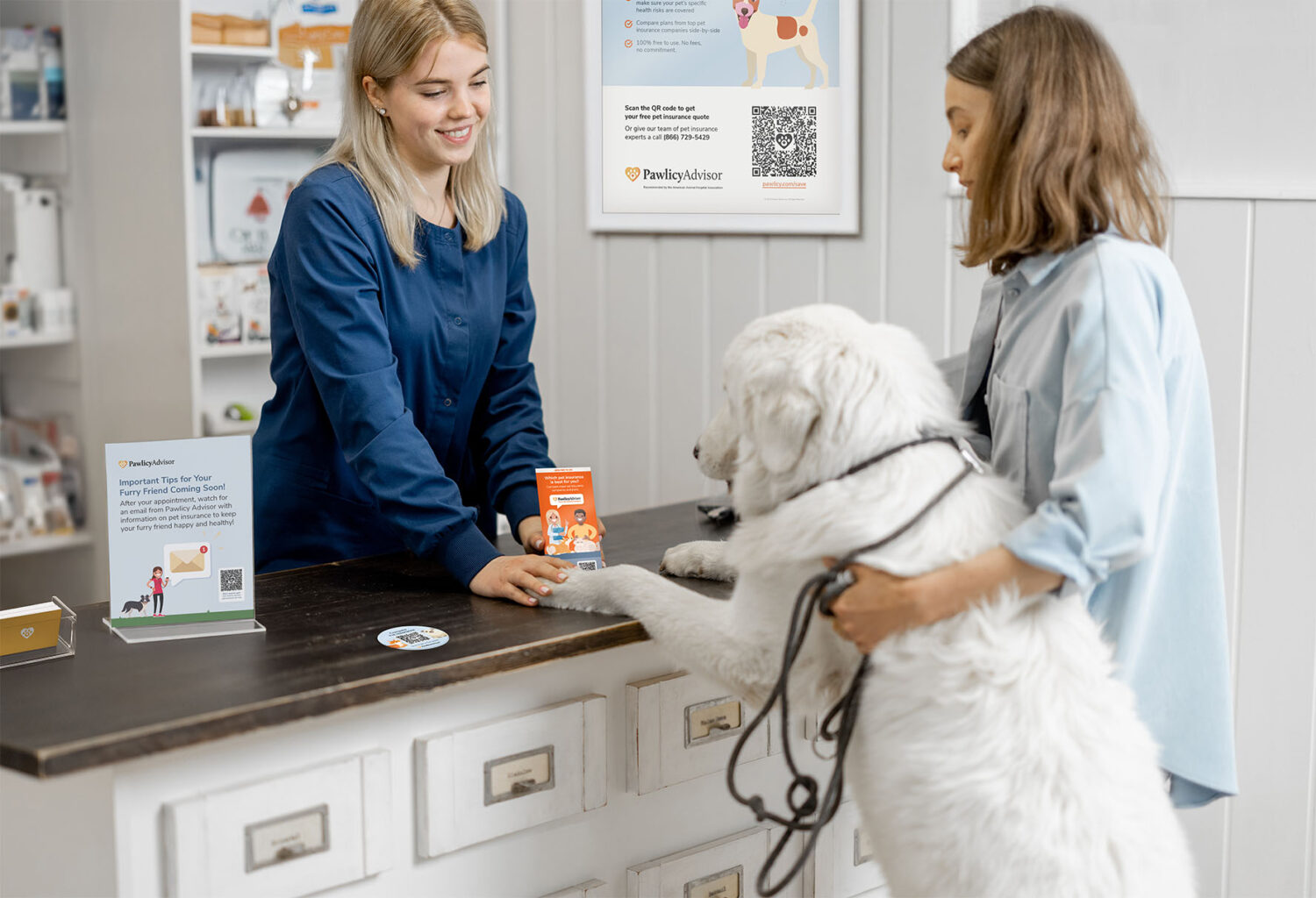
Veterinary teams increasingly recognize that pet insurance can play a meaningful role in supporting patient care, improving financial preparedness, and reducing stress during difficult medical decisions (see State of the Industry: The Impact of Pet Insurance on U.S. Veterinary Practices).
Sponsored content by Pawlicy Advisor
Yet many veterinarians remain understandably cautious about how to recommend insurance. The discomfort stems from a concern on how to guide clients ethically, without compromising trust or being liable for making specific recommendations without an insurance license.
Many veterinary teams do not want to recommend specific pet insurance companies (or “carriers”); they prefer to recommend approaches that protect the quality of care, client autonomy, and long-term patient outcomes. For many practices, that distinction is what has made the broker model increasingly compelling.
The problem with carrier-specific recommendations
Most veterinarians have experienced the tension that arises when clients ask, “Which pet insurance should I get?” No two patients are alike, and neither are their owners’ financial realities, risk tolerances, or expectations. A small-breed puppy, an older purebred cat, and a dog with hereditary orthopedic risks each present different coverage considerations.
Insurance policies may look similar at a glance, but the details matter. Waiting periods, exclusions for hereditary or bilateral conditions, reimbursement methods, and definitions of pre-existing conditions can all materially affect whether coverage is helpful—or disappointing—when it is needed most (see What’s the best pet insurance? The only honest answer is: It depends).
When a veterinary professional recommends a single carrier, even with good intentions, several risks emerge:
- Clients may perceive favoritism or a conflict of interest.
- A policy that seemed reasonable at enrollment may later reveal exclusions that strain the veterinarian-client relationship.
- In the event of a denied claim, frustration may return to the clinic as “the one who recommended the poor fit policy”.
From a regulatory and legal perspective, only those with a relevant insurance license should make specific recommendations about carrier, coverage, or policy details.
Why “just Google it” fails pet owners
When veterinary teams step back from the conversation entirely, clients often default to online research. Unfortunately, this is where many pet owners struggle most. Popular media articles and “top pet insurance” lists are frequently ranked by advertising dollars and are not personalized to an individual pet’s medical profile.
Policies can appear interchangeable on the surface, but subtle differences carry significant consequences (see How to Choose Pet Insurance). Waiting periods vary. Some plans exclude common breed-related conditions. These nuances are rarely obvious to first-time buyers.
As a result, many pet owners delay enrollment or choose coverage that does not align with their needs. Worse, some enroll only after symptoms appear, when exclusions are already in effect.
When financial preparedness breaks down, it affects clinical decision-making, emotional well-being, and outcomes at the point of care.
The broker model as a clinical best practice
A licensed pet insurance broker offers a structurally different approach. Rather than representing a single insurer, a broker compares multiple carriers impartially and helps clients understand how policy features align with their specific situation.
A broker’s role typically includes evaluating a pet’s species, breed, age, and known medical history alongside the owner’s financial preferences and tolerance for risk. Importantly, brokers are trained to explain tradeoffs clearly—what a policy covers, what it does not, and how those choices may play out over time. They are also accountable to regulatory standards that require suitability and transparency.
From a veterinary perspective, this model allows us to remain neutral while still being helpful. The recommendation shifts from “choose this company” to “try this trusted broker.” That distinction preserves trust and keeps the insurance advice to the licensed insurance experts.
Why veterinarians prefer brokers, not brands
In a recent survey of over 500 veterinary professionals, 80% said they are not comfortable recommending only one specific pet insurance carrier to their clients, given the legal risks of not having an insurance license.
Many veterinarians describe brokers as a way to support the conversation without steering it. Rather than anchoring a discussion to a carrier name, the conversation stays centered on the patient and the client’s goals. This reduces the likelihood of misalignment that often surfaces months or years later, during a stressful claims dispute.
Just as importantly, it can ease moral stress for veterinary teams. When financial decisions are better aligned with medical recommendations, veterinary teams are less frequently placed in the position of navigating compromises in care that could have been mitigated with earlier planning.
What to look for in a pet insurance broker
Not all brokers are the same, and veterinary teams benefit from knowing what distinguishes a credible, clinic-aligned partner. Key criteria include:
- Licensure in all relevant states, ensuring regulatory oversight and accountability
- A broad panel of major carriers, rather than affiliation with a single insurer
- Independence, meaning the broker is not owned by a biased entity
- Human support from trained, licensed advisors, not just automated tools
- Proven great outcomes, track record of trust in the veterinary community and pet owners
These characteristics signal whether a broker’s incentives align with veterinary ethics and client trust.
How veterinary teams use brokers in practice
In day-to-day settings, broker referrals tend to be simple and low-friction. Some practices include a neutral resource brochure in new-pet packets. Others mention brokers during puppy and kitten visits, when insurance discussions are most timely. Many teams refer clients who express concern about affordability or future uncertainty.
In each case, the emphasis is on support rather than persuasion. The goal is not to sell a specific insurance, but to make sure clients have access to informed guidance when they are ready to decide. This approach often encourages earlier enrollment without placing veterinary staff in a sales role.
A real-world example: Pawlicy Advisor
One example of this broker model in practice is Pawlicy Advisor. Pawlicy Advisor is a licensed, independent pet insurance broker and the leading pet insurance marketplace designed specifically to support veterinary teams and pet owners. Pawlicy’s comparison tool and team of licensed experts help clients compare multiple plans and find the right match based on their pet’s profile and the owner’s preferences.
Clinics that refer clients to Pawlicy Advisor often describe it as an extension of the educational conversation, not a replacement for it. The emphasis is on clarity, neutrality, and long-term fit—helping clients understand their options so they can make confident decisions that align with future care.
*Pawlicy Advisor is recommended by the American Animal Hospital Association as the Preferred Business Provider for pet insurance.
For veterinary teams interested in Pawlicy Advisor’s free resources, please visit pawlicy.com/vet
