Clinical
Toxicological effects of JAK inhibitor ingestion in a dog
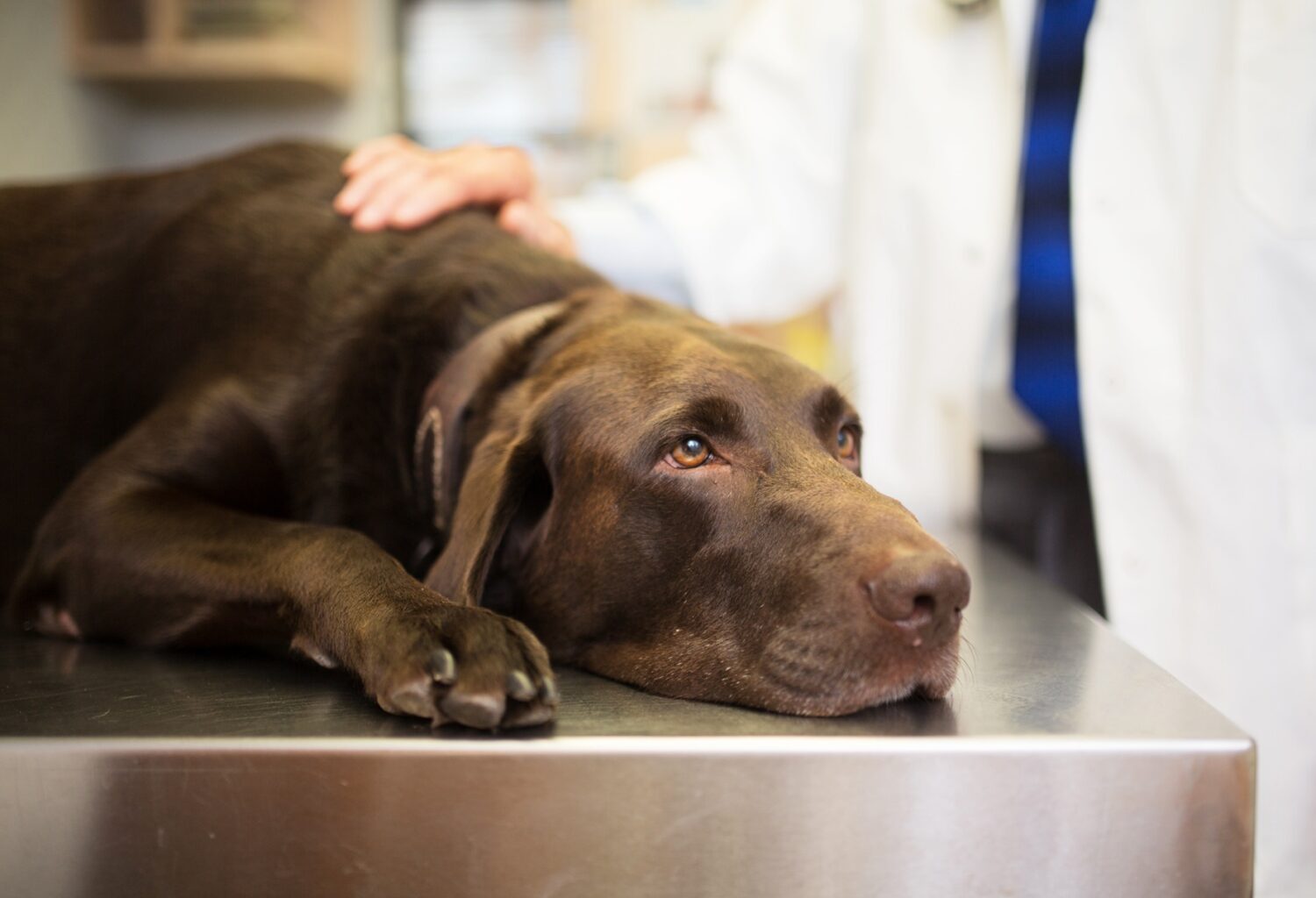
A new study examines the ocular and cardiovascular abnormalities suffered by a dog after she ingested a tube of ointment used to treat human dermatological conditions.
Advertisement
Janus kinase (JAK) inhibitors are a rapidly growing class of targeted, immune-modulating drugs that treat inflammatory diseases, autoimmune conditions, and some cancers by blocking specific enzymes. They reduce inflammation and pain, and are effective in treating eczema, vitiligo, psoriasis, and other dermatological conditions in humans.
They are also highly toxic to veterinary patients when ingested.
A recent study in the journal Frontiers in Veterinary Science describes the case of a dog that developed cardiovascular and ocular abnormalities after ingesting a large amount of topical ointment containing the JAK inhibitor ruxolitinib phosphate (brand name Opzelura®).
According to the article, the toxicological effects of JAK inhibitor overdose in veterinary patients are not well understood. However, experts say that overdoses are known to be deadly.
“Ruxolitinib and other JAK inhibitors are highly toxic when overdoses are ingested and many fatalities have occurred,” said Renee D. Schmid, DVM, DABT, DABVT, senior toxicologist and director of veterinary medicine at the Pet Poison Helpline. Schmid was also one of the authors of the Frontiers article.
Small ingestions [of ruxolitinib phosphate] may not result in clinical signs, and large ingestions may result in death. This makes it critical to evaluate the risk concern and not take a wait and see approach.Renee D. Schmid, DVM, DABT, DABVT
Senior toxicologist and director of veterinary medicine at the Pet Poison Helpline
In the case report, a 4-year-old spayed Labrador retriever mix weighing 32.2kg was presented approximately 6-8 hours after ingestion of the ointment. Initial signs included lethargy, bilateral ptosis, sinus tachycardia, and markedly reduced tear production on Schirmer tear testing. Clinicopathologic abnormalities included mild neutropenia, elevated lactate, and a slight increase in alanine aminotransferase. The tube contained 60g of 1.5% ruxolitinib ointment, resulting in an ingestion of approximately 21 mg/kg.
“The degree of poisoning is very dose-dependent,” Schmid said. “Small ingestions may not result in clinical signs, and large ingestions may result in death. This makes it critical to evaluate the risk concern and not take a wait and see approach.”
Supportive care for the patient consisted of intravenous fluids, analgesia, sedation, enteral nutrition, and symptomatic treatment for ocular signs. During hospitalization, the dog developed sinus bradycardia, but remained otherwise stable. After about 25 hours of care, the patient was discharged with recommendations for continued eye lubrication and recheck monitoring. Fortunately, the owners later reported full resolution of clinical signs.
“Depending on the amount ingested, it is possible to see liver and kidney failure, which could potentially require long-term care,” Schmid said. “For the cardiovascular and ocular signs discussed in this paper, most appear to resolve with therapy and not contribute to long-term effects.”
The authors discuss the pathophysiologic parallels between ruxolitinib and other JAK inhibitors, suggesting that toxic effects may stem from profound cytokine dysregulation, with an initial suppression of inflammatory signaling followed by a rebound inflammatory response. This can lead to autonomic dysfunction, cardiovascular changes, and ocular inflammation due to altered cytokine profiles and vascular instability, the article points out.
The study emphasizes the importance of recognizing JAK inhibitor toxicity quickly, providing timely supportive care, and educating pet owners on proper storage to prevent accidental ingestion.
Schmid pointed out that while exposures to ruxolitinib in pets are relatively low, this case helps veterinarians learn more about the actions and potential negative consequences of overdoses with other JAK inhibitors including the veterinary-approved drugs oclacitinib (Apoquel®) and ilunocitinib (Zenrelia®).
Clinical vigilance and reporting of similar cases will help improve understanding and treatment guidelines for this rapidly growing class of medications.
Photo credit: © THEPALMER via E+/ Getty Images Plus
Disclaimer: Trends content is meant to inform, educate, and inspire by providing an array of diverse viewpoints. Any content published should not be viewed as an official stance, position, or endorsement by the American Animal Hospital Association (AAHA) or its Board of Directors. This article had editing assistance from an AI software.
