Advertisement

The Veterinary Technician Specialty: The mission of the Academy of Veterinary Technicians in Diagnostic Imaging (AVTDI) is to advance the education and professional recognition of credentialed veterinary technicians who display excellence and dedication to providing superior diagnostic imaging quality to the veterinary patient.
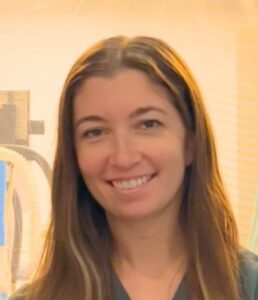
The Specialist: Megan Gonzalez CVT, VTS-DI, has over 10 years experience as a certified veterinary technician with the last 8 years specializing in radiology. She is owner of Sono On-Site Veterinary Imaging.
1. What made you choose your specialty area?
I wanted to be a part of the team that helped find out the reason why our patients are sick. I wanted to make sure that I could provide the highest quality imaging and care to clients and their pets and the best way to do that was to specialize. At the time that I moved into my specialty, the VTS for diagnostic imaging had just become recognized, I knew immediately that that was what I was going to start working towards.
We may not be the service that is healing those patients but we are the ones helping to provide that information that leads to a diagnosis, a reason why (or why not), and I love that I get to be the one that is running those diagnostics.
2. What is one thing you wish you could tell general practitioners regarding your specialty?
I would say that while it is a great tool and resource to have advanced imaging, there is value in a veterinary specialist performing them and also having those images interpreted by a boarded radiologist.
As a veterinary technician specialist (VTS) we can mimic the roles of human sonographers and radiologic technologists. I and my colleagues are trained to perform these advanced imaging procedures (ultrasound, CT, MRI, etc.) but it is outside of our scope to interpret the information that we find. That being said, we have been trained by boarded specialists so we possess a strong foundational understanding, which makes us highly capable and reliable in acquiring high-quality diagnostic images and therefore we should still be trusted to perform them.
VTS professionals as a whole are an under-utilized resource in vet med and greater trust and utilization of our skill set not only improves efficiency within the team but also enhances patient care. I believe veterinarians and employers have an opportunity to better leverage VTS expertise to maximize both workflow and diagnostic quality.
3. What opportunities have opened up for you since pursuing your specialty?
The ability for me to open my own mobile ultrasound business is definitely number one. I love being able to perform ultrasounds and now I get the opportunity to be able to provide that high level of service to clinics myself. Another opportunity is that after specializing I joined AVTDIs credentials and approval committee so that I can help be a part of growing our specialty. People may not realize all the work that goes into being on the committee chairs and those techs are amazing–they give some much time and commitment in addition to their work and personal lives, and I’m so grateful to be a part of the committee.
VTS professionals as a whole are an under-utilized resource in vet med and greater trust and utilization of our skill set not only improves efficiency within the team but also enhances patient care.
4. What is the most rewarding part of being a diagnostic imaging VTS?
The ability to grow my knowledge base and career. I love getting to run cases and provide that gold standard that helps pets get to walk out of the hospital and back into their owners arms.
I am hypercritical of every case I run because I want to make sure that I am doing right by the patient and client. We may not always find the answer they are hoping for, or an answer that gives a definitive diagnosis, but I know that I treat every case with the utmost care and that is truly rewarding.
5. What advice would you give to someone considering your specialty?
Work very closely with your boarded radiologist! They are a wealth of knowledge, information, and resources. I truly would not be where I am today without mine.
Beyond everything they teach you, a great radiologist is also going to support you and encourage you to achieve your VTS. They will find ways to train you, give you opportunities to practice, and make sure that you can succeed.
This kind of support system is what you need when you’re first learning, when you’re continuing to perform studies, and when you’re going through the application process.
Photos courtesy of Megan Gonzalez
Disclaimer: Trends content is meant to inform, educate, and inspire by providing an array of diverse viewpoints. Any content published should not be viewed as an official stance, position, or endorsement by the American Animal Hospital Association (AAHA) or its Board of Directors.
