Practice Management
Stress-reducing care and safer veterinary workplaces
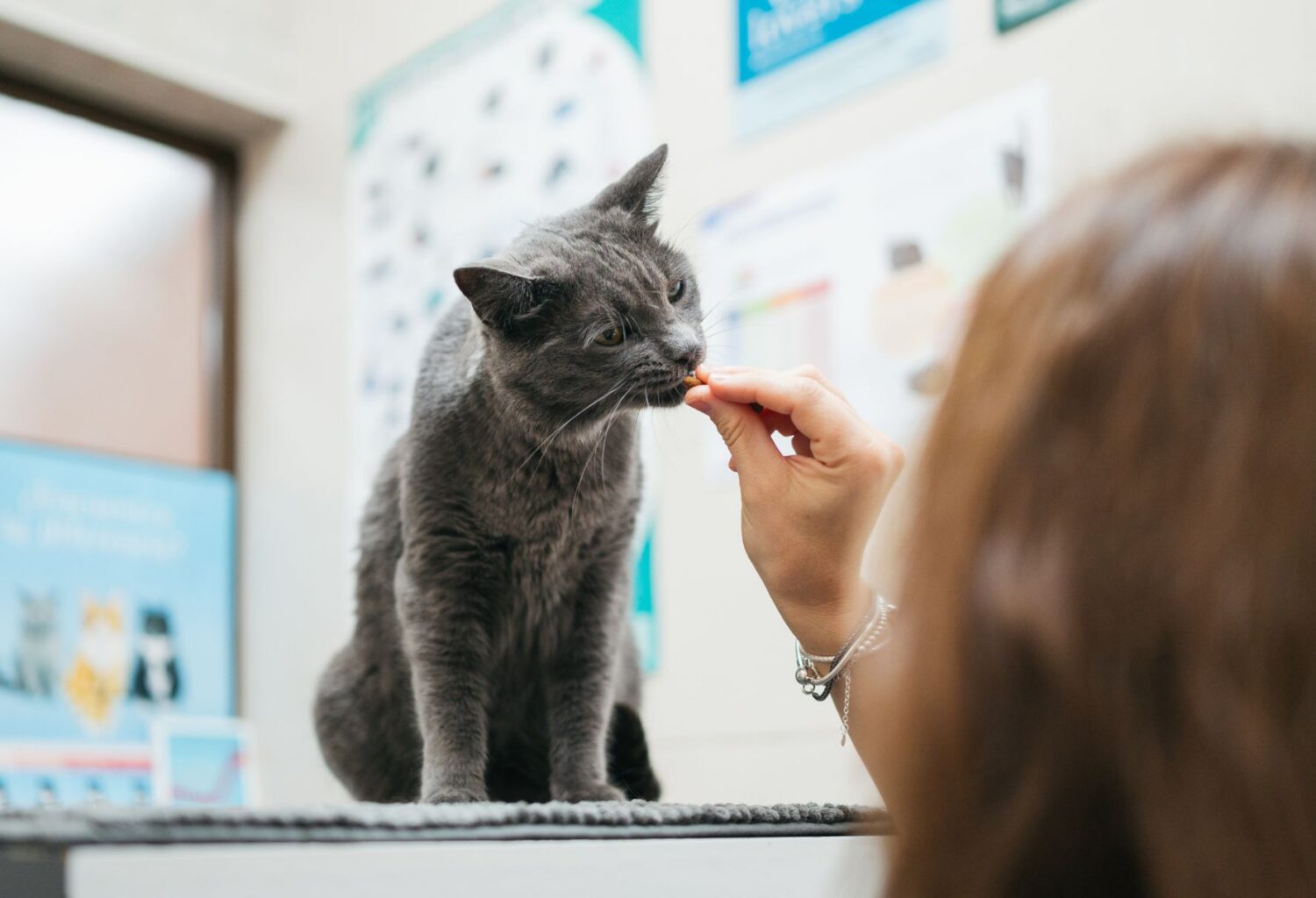
Occupational injury is the most common danger for veterinary professionals, with animal-related injuries, particularly bites and scratches from dogs and cats, ranking among the most commonly reported. By using stress-reducing care techniques with patients, staff can not only make veterinary visits easier on the animals, but safer for staff, too.
Bites, scratches, back strain, and other injuries from handling patients are, unfortunately, often considered an accepted part of the veterinary profession.
According to the US Bureau of Labor Statistics, veterinary services rank third among occupations for non-fatal injuries. The results include not only physical pain and psychological distress, but also time off work, overtime costs, and ultimately burnout, all of which can compromise both staff wellbeing and patient safety.
The question is, how do we change what’s become an accepted norm?
New survey data suggests that how a team is trained to handle patients may matter far more in this regard than previously recognized.
A cross-sectional survey of small animal practices in the United States and Canada found that clinics where all staff were certified in stress-reducing care programs experienced fewer patient-inflicted injuries than practices where only some, or none of the team had certification. What really stood out was that practices without full certification were 3.5 times more likely to report injuries occurring once a month or more.
The findings highlight the potential impact of handling protocols, certification culture, and whole-team implementation on staff safety.
Injury risk remains high across veterinary medicine
Occupational injury is the most common danger for veterinary professionals. Veterinarians face approximately three times the risk of injury compared with human medical general practitioners and nine times greater risk for severe injuries. Animal-related injuries, particularly bites and scratches from dogs and cats, rank among the most commonly reported.
The normalization of injury is also reflected in other research examining veterinary workplace safety.
A University of Liverpool survey found that the vast majority of veterinary professionals had experienced a work-related injury during their career. More than half of veterinary nurses (the UK equivalent of veterinary technicians) and veterinarians had been injured in the previous year. Injuries most commonly occurred during routine handling, restraint, and examinations. Despite this frequency, fewer than 10% of injured staff reported taking time off work, and many described injuries as simply “part of the job”.
Financial costs, lost work time, psychological stress, and the resulting effects on staff morale all affect veterinary practices. Workers’ compensation claims tied to animal contact have resulted in millions of dollars in payouts. In addition to this, claims can lead to higher workers compensation, insurance premiums, and overtime costs for team members who have to provide cover.
John Tulloch, BVetMed, DipECVPH, MRCVS, one of the authors of the Liverpool study, points to presenteeism as a significant issue when looking at the more widespread problems resulting from workplace injury. “If you’re not effectively 100% healthy, the likelihood of the people around you getting injured goes up. The implication for the practice, if you’ve got someone working at the practice that’s still injured, is that [there’s a greater likelihood that] others are going to get injured. So instead of having one person off work, you could end up having two people off work.”
The psychological toll of workplace injury must also be considered. Research has found a strong association between exposure to highly stressful work events and higher rates of burnout and reduced job satisfaction among veterinary professionals. Frequent animal-caused injury may contribute to the profession’s broader mental health challenges. The direct relationship between the two remains an important area for further study.
Reporting injuries can be, in some practice cultures, perceived as a sign of weakness or incompetence. Such a culture of silent acceptance of injury and harm means that the actual extent of the injuries in the workplace is likely underestimated, which makes it even more difficult for practices to address the issue.
Discussing the findings of Practice-wide certification in stress-reducing animal care lowers the rate of patient-inflicted injuries to veterinary staff in small animal general practices published recently by JAVMA, coauthor Gene Pavlovsky, DVM, DABVP, explains, “It’s almost the badge of honor. ‘Look, look at my arms.’ You’ve got so many scratches and bites. It doesn’t necessarily mean that you’re good at what you do.”
Certification and injury frequency
The survey included 113 small animal practices in the United States and Canada. Respondents were familiar with patient-handling techniques and staff injury frequency within their hospitals. Certification in stress-reducing care programs, including , varied widely. Only 16.8% of practices reported that 100% of staff were certified, while 40.7% reported no certified staff at all.
Injury frequency varied considerably across practices, from daily incidents to fewer than once a month. The most striking finding was the difference between fully stress reduction care-certified and partially or non-certified teams. Practices without full certification were 3.5 times more likely to experience injuries at least once a month or more
Tulloch, an RCVS Specialist in Veterinary Public Health, expressed enthusiasm for the survey while highlighting the need for more in-depth study.
“This is an interesting and important study and suggests a positive relationship between stress-reducing care and injury reduction,” he said. “However, since the researchers didn’t compare these injury rates against the period before safe handling practices were introduced, we can’t yet say for certain that these methods caused the drop in injuries, only that there is a promising link between the two.”
The power of a whole-team culture
Why whole-team certification matters may come down to culture as much as technique. When every team member is trained in stress-reducing care, staff members reinforce each other’s techniques, communication improves, and there is less reliance on traditional restraint methods that can escalate fear and defensive behavior.
Survey responses support this idea. Practices with 100% certification reported greater use of pheromone sprays, high-value food rewards, and gentle restraint techniques such as towels and blankets. They also reported reduced use of common restrictive tools, including nylon or gauze muzzles, cat nets, rabies poles, and scruffing during feline blood collection.
No single technique was independently associated with lower injury rates. Instead, the difference appeared tied to the overall approach to handling. This reinforces the idea that culture, not just tools, may drive safety improvements.
When the entire team shares a consistent philosophy, patient stress may be reduced earlier in the visit, potentially lowering the likelihood of defensive behavior. Pavlovsky explains this clearly. “Animals see restraint as a threat, and they respond in such a way that serves to protect them. And so, no matter what it is that we do to them, if they foresee that as a threat and they perceive that as a scary experience, sometimes combined with pain, which makes things even worse. Then their only response, naturally, is to protect themselves. And so that is what they do.”
Restraint remains the highest-risk moment
Regardless of certification status, restraint for examinations and procedures emerged as the most common scenario for staff injury. This included routine activities such as physical examinations, blood collection, and other handling requiring restraint. Otherwise calm animals may react defensively when restrained, particularly if pain or fear is present.
Procedures involving needles, uncomfortable positioning, or unfamiliar handling can trigger a defensive response, even when animals are handled carefully. Tulloch adds that pet parents becoming involved in restraint can increase the risk in some cases.
“With dogs, often I can see, reading people’s reports of injuries, that owner is holding the dog, and the restraint of the dog is not necessarily by a nurse or a vet tech or another vet, it’s the owner,” he said. “And then that provides an added complexity to what’s going on of that, you know, they may know and love their animal really well, but they may never have been taught how to restrain their animal for whatever’s about to happen to them.”
Technicians and assistants face the greatest risk
Veterinary assistants and credentialed technicians faced the highest injury risk, followed by veterinarians. Client service representatives and clients were least likely. Julia Albright, DVM, MA, DACVB, a co-author of the survey, stresses that technicians and assistants are working with animals in ways that make them more vulnerable than veterinarians. “In general, our technicians and our assistants are the ones getting them out of the cages, getting them out of the kennel runs, getting them in position. They’re holding, so they’re closer to the mouth and the paws when the procedures are being done.”
Assistants, in particular, may receive limited formal training in animal body language and stress recognition. Inconsistent training may increase risk, especially in fast-paced environments where staff members rely on traditional restraint methods. Whole-team certification can help address this gap by creating shared expectations and improving communication during handling.
Cats may be an underrecognized source of injury
Despite dogs visiting veterinary clinics more frequently, respondents indicated that cats were responsible for equal or greater numbers of injuries.
Pavlovsky says that while cats are often stressed by veterinary visits, understanding cat behavior and handling them accordingly are key to preventing injury. “It’s harder to read cats. We often handle them in a much more aggressive way than we do dogs because they’re smaller. And because they’re so agile and because we don’t often understand the consequences of our actions in terms of their handling, we often end up being injured very quickly.”
Feline defensive behavior can escalate quickly, and subtle signs of stress may be overlooked. Stress-reducing care programs often emphasize feline-specific handling techniques, environmental modifications, and minimizing restraint. These approaches may help reduce both patient distress and staff injury risk.
Medications alone did not reduce injury risk
Although stress-reducing care programs often recommend medication given prior to the visit and in-clinic sedation, the survey found no statistical connection between use of these medications and staff injury frequency. Practices without full certification tended to use more sedation. This suggests that, in these clinics without full certification, medications may be used more reactively to deal with situations that are already high-stress for the animal. And that’s not the best approach to utilizing these drugs.
Albright noted this pattern in the survey findings. “I thought one of the most fascinating things we found in this was the clinics that were least likely to have certified people used more medications than the certified people. Because that’s all they know.”
She explains that veterinarians are often under pressure to provide safe, efficient care while keeping costs manageable for clients, and that investing in team-wide low-stress handling training can be perceived as time-consuming and difficult to implement. In that context, medication can become the most accessible tool, particularly when a visit has already escalated—which is not the ideal time to address the pet’s stress. As she adds, “They’re just giving them [the medications] way too late, in my opinion.”
When patient stress escalates during traditional restraint or inconsistent handling, sedation may function as a late intervention rather than a proactive strategy to prevent fear and defensive behavior. The authors note that veterinarians working with team members who are not trained in stress-reducing handling may rely on medication as a practical tool when they cannot fully control how patients are approached and restrained throughout the visit.
These findings suggest that medication alone is unlikely to reduce injury risk. Instead, pharmacologic support may be most effective when the approach includes consistent low-stress handling and whole-team training that includes learning how to recognize escalating fear or pain early.
Post-injury protocols vary widely
The survey also explored how practices respond when injuries occur. Most clinics reported having a basic wound-cleaning protocol, but follow-up care varied considerably. Just over 70% recommended or required follow-up care at a human medical facility, though responses suggested inconsistent approaches. Some clinics sought medical care only for severe injuries, while others reported providing antibiotics directly to employees.
Pavlovsky raised important points about what happens after an injury has been reported. “We did ask our respondents how they handled injuries in terms of their post-injury protocol. It was a little discouraging to find that not all had established injury protocols.”
He was equally clear that adequate response must address both the physical and emotional consequences of injury. “I think having a protocol call for medical care is important so that a person who’s injured is supported and knows exactly what to do, what steps to follow. The second would be for emotional support. You know, those people that get injured don’t suffer just physically, but also suffer emotionally.”
Such variability may pose risks, including inadequate medical treatment, legal liability, and occupational safety concerns. Injury-response protocols are an important component of staff safety. Establishing consistent reporting and follow-up procedures helps practices better understand injury patterns and identify opportunities for prevention.
What this means for the veterinary profession
While normalization of injury within veterinary culture continues to complicate prevention efforts, opportunities to change handling practices may be overlooked. Research highlighting the prevalence of injury, combined with studies suggesting that whole-team stress-reducing care may lower risk, suggest that improvements can be made in how practices approach safety.
The authors caution that the survey included a relatively small sample size and a reliance on estimated injury frequency in some cases. They believe, however, that the findings provide a solid foundation for future research.
Veterinary practices are facing burnout, staffing challenges, and workplace safety concerns, so the idea that whole-team stress-reducing care may improve both patient experiences and staff wellbeing provides real opportunity for change. A 2024 AAHA survey of over 2,300 U.S. pet owners suggests that demand already exists. Respondents ranked a compassionate healthcare team and clear communication as their top criteria when choosing a clinic, indicating that clients are actively looking for practices that treat their pet as an individual.
Pavlovsky underlines that adapting to new approaches is not only ethical but practical.
“Changing the culture of the hospital and implementing stress-reducing care has far-reaching implications beyond simply what I believe is the right thing to do,” he said. “I think it has lots of positive effects on the bottom line, on client and staff retention.”
For him, however, the business case is only part of the story. At its heart, this is about what kind of care every patient, human or animal, deserves to receive.
“If I brought my own animal or my own child to a place that treated them with respect and compassion, didn’t just force them to get things done, I would be a happier parent and a happier client and a happier patient. And so, I can only say the same for others who come to see me,” he explained. “And that’s my goal, not to just improve their physical state, but also preserve their emotional state as well.”
Photo credit: Gonzalo Infiesta via iStock/Getty Images Plus
Disclaimer: Trends content is meant to inform, educate, and inspire by providing an array of diverse viewpoints. Any content published should not be viewed as an official stance, position, or endorsement by the American Animal Hospital Association (AAHA) or its Board of Directors.
