“Paradigm shift”: What success of a new honeybee vaccine means for veterinarians
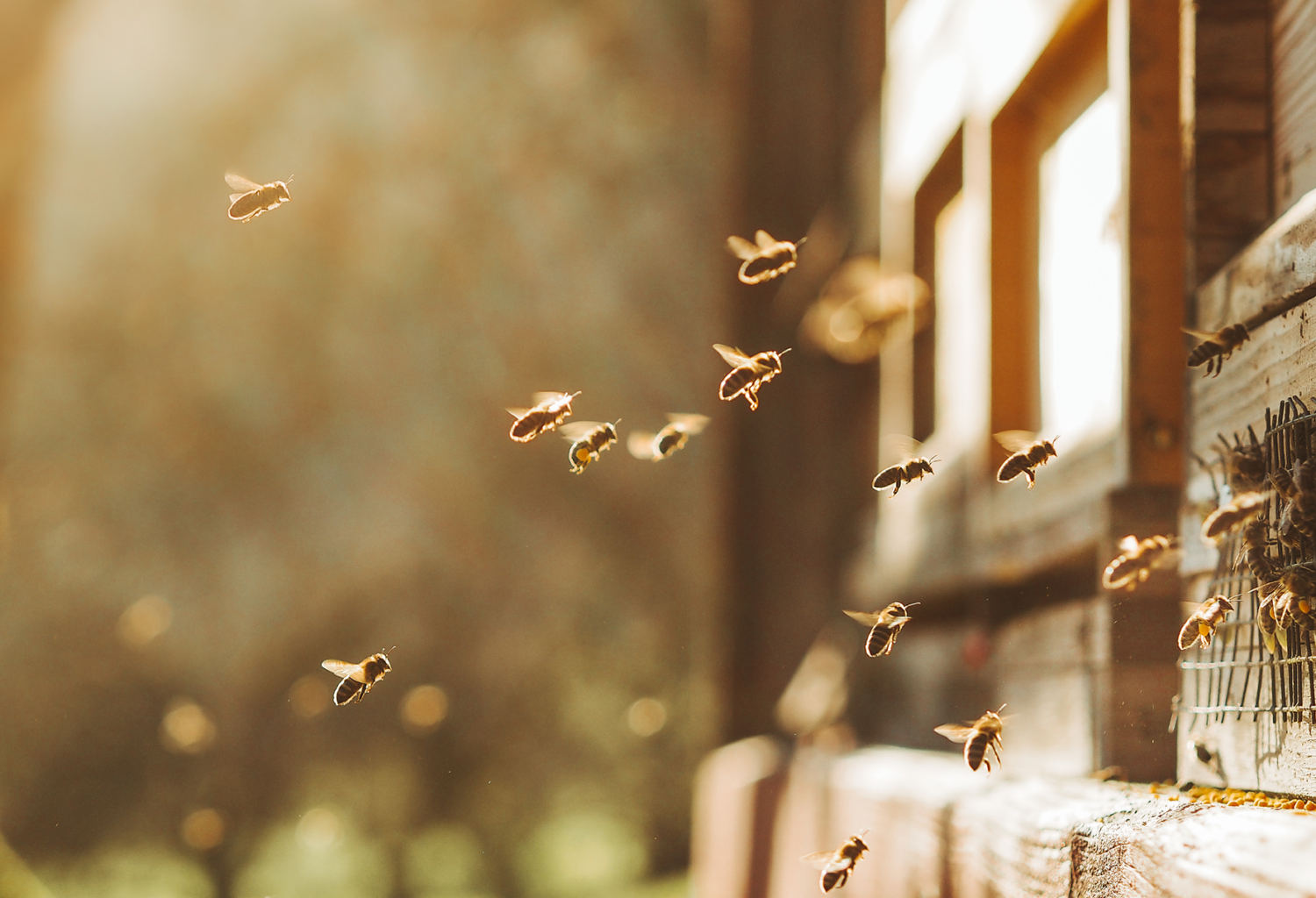
A vaccine aims to combat American Foulbrood, a devastating, colony-killing disease, which typically requires equipment burning to eradicate. And with the larger role veterinarians are beginning to play in bees’—and beekeepers’—lives, the changes could impact how American Foulbrood is treated.
Advertisement
The vaccine from biotechnology company Dalan Animal Health received conditional U.S. Department of Agriculture (USDA) licensure in 2022, making history by becoming the first vaccine approved for an insect species. And more recently, in 2025, the company noted success in “trials specifically designed to meet USDA’s rigorous standards for full licensure.” The company hopes for full licensure in 2027 – but what does that mean for veterinarians?
Veterinarians are increasingly taking a role in the lives of bees–and beekeepers. In 2017, when the Food and Drug Administration (FDA) updated how beekeepers purchase antibiotics, veterinarians became responsible for prescribing them. While many beekeepers may have more years logged managing hives and identifying illness in bees when compared to the average veterinarian, this change in antibiotic access regulations connected the two groups.
Introduction of the vaccine
With bees classified as “food-producing animals” in the 2017 FDA update, antibiotics like oxytetracycline hydrochloride can no longer be accessed without a prescription. This drug is one of a few used to treat AFB in bees. The disease from the spores can live upwards of 40 years in some hives, making burning the equipment one of the only true ways to get rid of it.
The worry for beekeepers is that those spores spread to other apiaries, causing widespread death to the bees, requiring the destruction of even more equipment. And even with the prophylactic use of antibiotics like oxytetracycline hydrochloride, honey production must come to a halt.
“When you’re a commercial beekeeper, that can obviously be eventually an existential threat to your business,” said Jörg Mayer, DVM, MS, DABVP, DECZM, DACZM, who has been following the vaccine’s path to approval.
What a vaccine could mean for bees and veterinarians
This not only changes how veterinarians like Mayer would treat AFB, but how we look at vaccines in invertebrates overall.
“I think from a scientist’s point of view, and as a beekeeper myself, I’m extremely excited about it,” he said. “Invertebrates don’t have that kind of immune system where the individual bee can actually produce antibodies. I guess, from an evolutionary point of view, it’s very exhaustive to create a very complex immune system if you only live for two months… And so, … to come up with a vaccine for an animal that is not producing these antibodies is literally a paradigm shift.”
Like all invertebrates, bees rely entirely on their non-adaptive immune system to fight off disease. With the inability to produce antibodies, the implications of this vaccine intrigue Mayer, especially when it comes to how these discoveries could impact medicine for dogs, cats, and even humans.
“Now that it has been shown to be effective and is being used and commercially available, I think that that also gets the attention of the traditional vaccine manufacturer,” Mayer added. “Because that part of the immune system that basically is called the non-adaptive immune system, which is cytokines, interleukins, all the stuff… Maybe we can do something very similar to make our other vaccines even more potent or even more effective.”
No tiny syringes: How the vaccine works
Now, as funny as the thought of mini, bee-sized syringes is, administration of this vaccine is a little simpler (and a lot less labor intensive). But to understand how it works, you first need to understand a few beehive dynamics.
In a typical colony, one queen bee runs the hive. The queen surrounds herself with her “attendants” who keep her safe, groom her, and feed her a protein-rich royal jelly.
A vial of the vaccine is mixed into a “queen candy,” which is essentially a mixture of cornstarch and sugar. That is then fed to the hive attendants, who absorb it and feed it to the queen via the jelly. The queen ingests that and incorporates it into her egg yolk protein called vitellogenin.
As the queen lays eggs, the vaccine is transferred to the next generation, making those larvae less susceptible. Efficacy studies published in 2022 suggest the vaccine reduces larval death by 30-50%.
“When American Foulbrood wants to start a little battle, they are going to be on top of it,” Mayer said. Although the vaccine is labeled for American Foulbrood, Mayer noted that it ramps up the overall immune competency of bees as well.
The developing relationship between veterinarians and beekeepers
While Mayer notes that he doesn’t foresee most veterinarians ever applying the vaccine themselves (likely because those who sell queen bees may sell the queen with the vaccine already administered)—especially if someone who owns bees asks you to help diagnose their hive and provide an antibiotic prescription.
When that call comes, and if you note a problem, Mayer notes that it’s important to ask if the queens have been vaccinated. “Because if the beekeeper says, ’Yeah, I only use vaccinated queens!’” Great, because maybe from a differential diagnosis point of view, the American Foulbrood is going to be a little bit lower on the list [of potential diseases],” he explained.
Additionally, ending on an optimistic note, Mayer mentioned he hopes to see the beekeeper/veterinarian relationship grow. Not only because the 2017 FDA decision requires it, but because of how important bees are to our daily lives.
“Most other farmers have a great relationship with their veterinarians. [Veterinarians] come out as consultants. Maybe they come ou every three months, walk through and say, what’s going on? They have a little chat. In Europe they would sit down and have a beer,” he said. “And so they’re part of the family, right? The veterinarian is not considered a money pit or an antagonist. So I think that’s my idealistic picture that in the future: that there’s going to be a similar synergistic relationship between veterinarians and beekeepers.”
Photo credit: Martin Herzog via iStock/Getty Images Plu
Disclaimer: Trends™ content is meant to inform, educate, and inspire by providing an array of diverse viewpoints. Any content published should not be viewed as an official stance, position, or endorsement by the American Animal Hospital Association (AAHA) or its Board of Directors.
