Clinical
Gems from the Guidelines: Treating hypernatremia
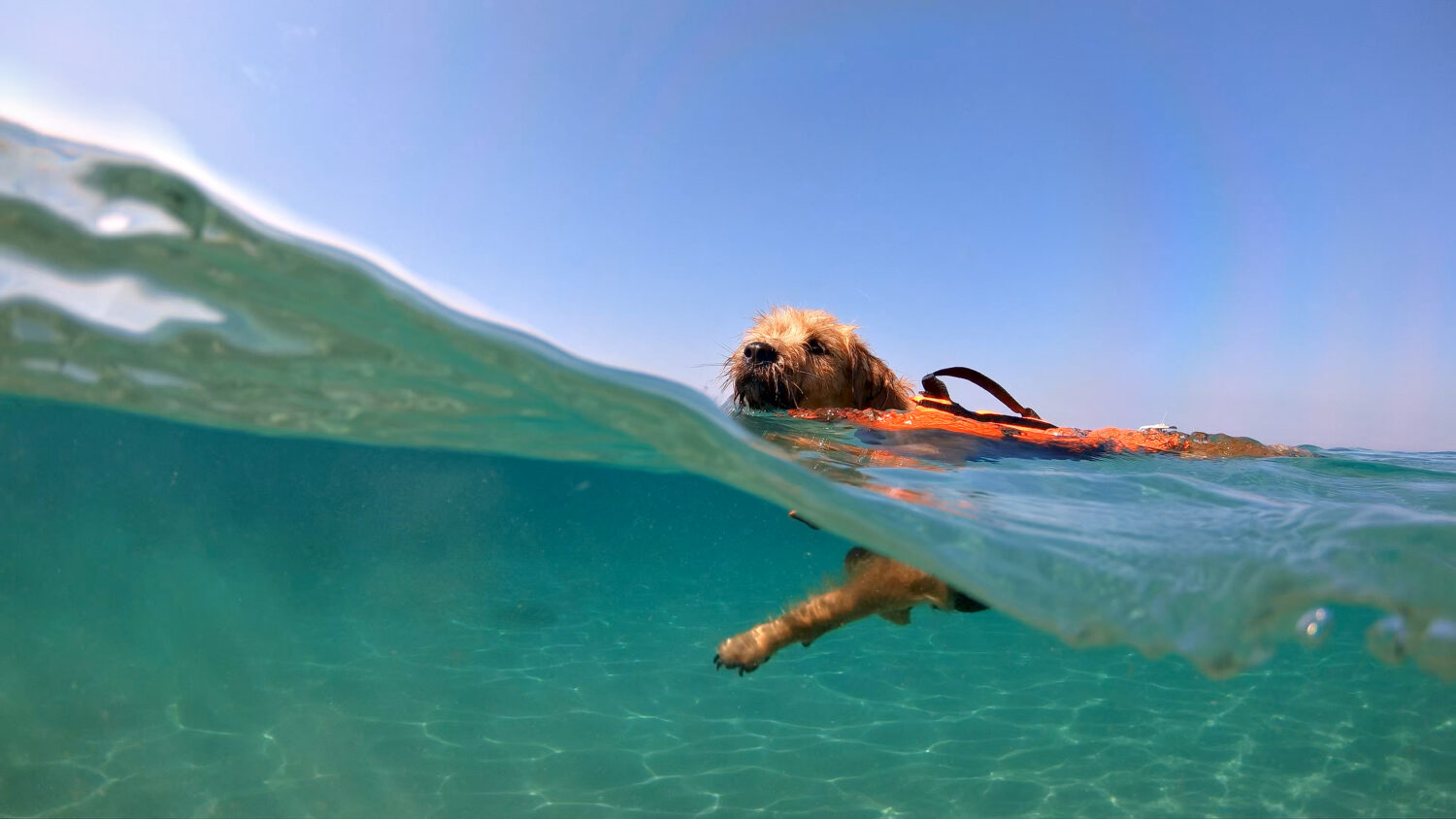
Summer is here, and that means fun in the sun–and the potential for heatstroke and the ingestion of seawater that can lead to dangerous levels of sodium in the blood.
Advertisement
Hypernatremia: An excess of sodium in the blood
Hypernatremia can occur in cats and dogs from a variety of causes, and treatment can be challenging. While hypernatremia can happen at any time of year, summer activities like a day at the beach or poolside can put dogs at increased risk for this condition. When a dog or cat present with hypernatremia, care must be taken to restore the proper balance of sodium in the bloodstream to avoid life-threatening cerebral edema, but treatment approaches are dictated by acute vs. chronic onset.
The 2024 AAHA Fluid Therapy Guidelines for Dogs and Cats provide detailed guidance on how to correctly manage and treat sodium concentration disturbances. See the tables below for information on causes and treatments for hypernatremia and remember to take a thorough history to help determine the underlying cause and onset of this condition.

2024 AAHA Fluid Therapy Guidelines for Dogs and Cats
Common Causes of Acute and Chronic Hypernatremia in Dogs and Cats (Table 13B)
| ACUTE | CHRONIC |
|---|---|
| Intake of large amounts of sodium chloride (ingestion of salt water, homemade playdough, or salt) | Hypotonic fluid losses (diarrhea, peritonitis, vomiting, kidney disease) |
| Nephrogenic diabetes insipidus | |
| Heatstroke | |
| Infusion of replacement fluids or hypertonic fluids may lead to acute or chronic hypernatremia, depending on how often the patient’s sodium concentration is rechecked during hospitalization. | |
Approach to Fluid Therapy in Hypernatremic Patients (Table 13A)
| 1. Is hypernatremia acute or chronic? | |
|---|---|
| ACUTE | CHRONIC |
|
|
| 2. Is the patient hypovolemic? | |
|
|
| 3. Calculations for chronic and acute hypernatremia | |
| Estimate the amount of water lost (free water deficit). Administer fluids that are relatively dilute compared with plasma.
Free Water Deficit (FWD) in Liters (L) = [(Patient Na/Desired Na) -1] × (0.6 × Weight [kg]) |
Modify the calculation of the free water deficit according to whether hypernatremia is acute or chronic, using the subsequent formulas:
FWD replacement time (hr) for acute hypernatremia = Patient Na − Target Na1 FWD replacement time (hr) for chronic hypernatremia = (Patient Na − Target Na) × 21 In general, replace the free water deficit by administering 5% dextrose in water. |
| 4. Is the patient dehydrated? | |
|
|
1. Heinz J, Cook A. Evaluation and management of the hyponatremia patient. Today’s Veterinary Practice. 2022;12(2). February 10, 2022.
https://todaysveterinarypractice.com/internal-medicine/evaluation-and-management-of-the-hyponatremic-patient/.
Accessed January 4, 2024.
Photo credit: © Vojec via iStock/Getty Images Plus
Disclaimer: Trends content is meant to inform, educate, and inspire by providing an array of diverse viewpoints. Any content published should not be viewed as an official stance, position, or endorsement by the American Animal Hospital Association (AAHA) or its Board of Directors.
