Community care
Vet school shelter and community medicine programs meet people and pets where they are
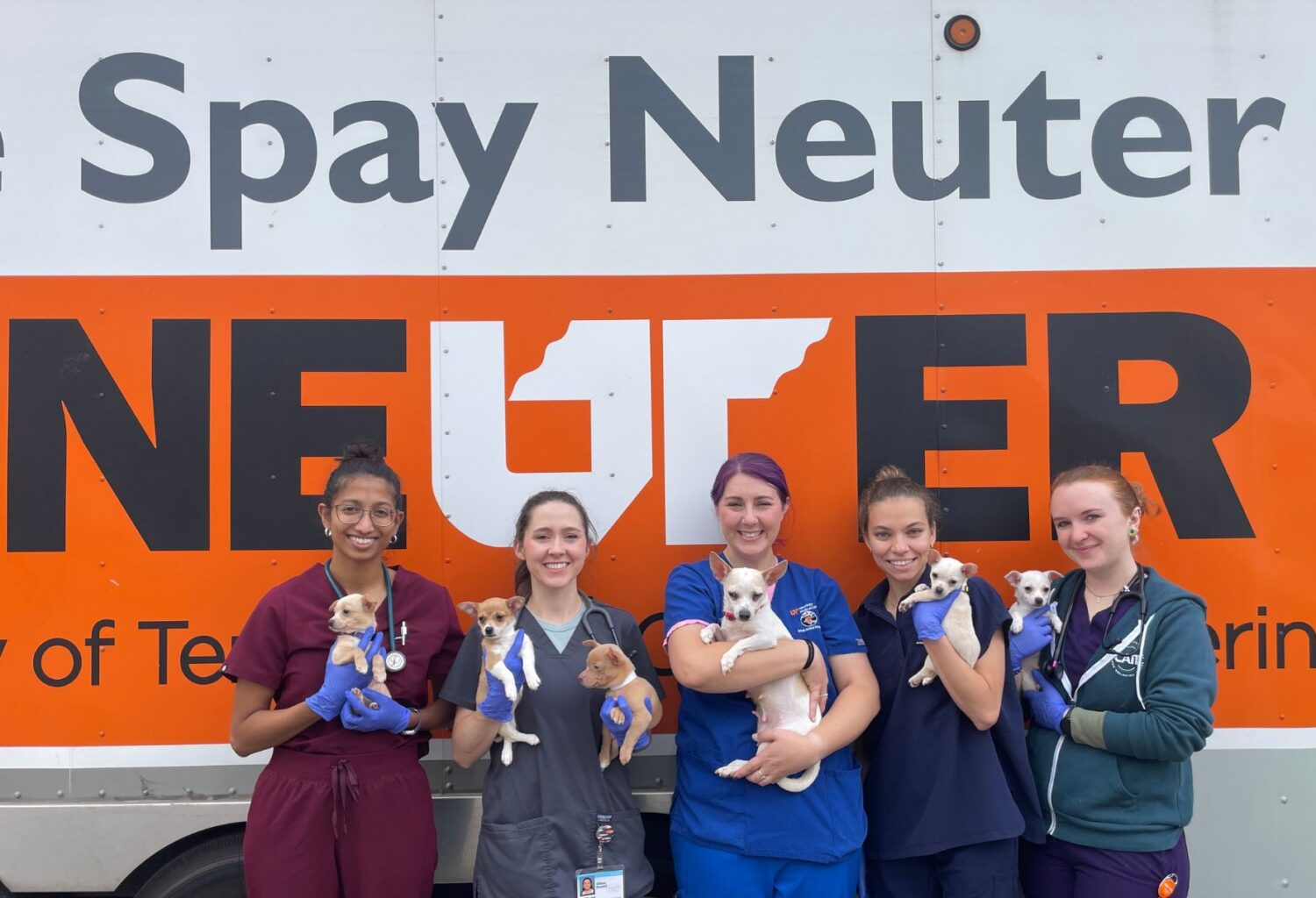
At veterinary schools across the nation, shelter medicine and community medicine programs are providing students with hands-on experience while expanding access to care for families in the area. It’s a winning combination that’s making a positive impact on young veterinarians and pet parents alike, and one that continues to grow and evolve.
Advertisement
A career focused on veterinary shelter and community medicine hadn’t necessarily been on Nandita Chittajallu’s radar before she began her studies at the University of Wisconsin-Madison School of Veterinary Medicine.
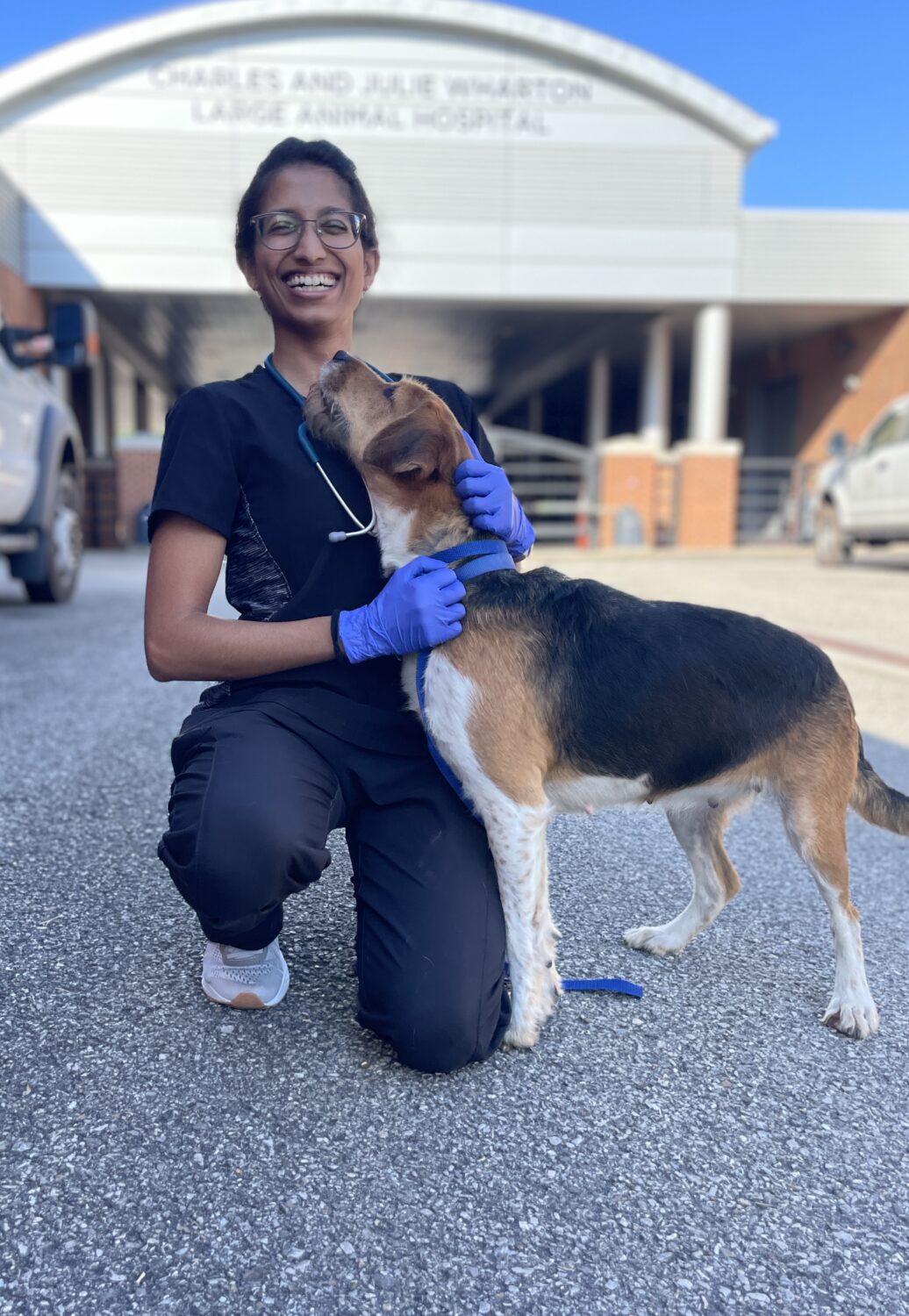
But, thanks to the school’s rich opportunities to explore those focus areas—through elective shelter medicine coursework and hands-on experiences at shelters and community outreach sites—Chittajallu feels she’s found her calling.
Having earned her veterinary degree in May, the Indianapolis native now plans to spend the next year interning with the University of Wisconsin’s (UW) Program for Shelter Medicine and Community Engaged Care, where she will help facilitate local spay and neuter clinics and door-to-door veterinary wellness outreach in both Madison and Milwaukee. She’s particularly excited, too, about supporting the school’s initiative to build partnerships for greater veterinary access in Indigenous communities in Wisconsin and Montana.
The shelter medicine curriculum at UW “exposes students to various shelter medicine topics and protocols that don’t always precisely fall in line with recommendations that we’d have in general practice,” Chittajallu said. “And the outreach work offers real-world opportunities to support residents who are facing significant financial challenges but still trying to do right by their animals. I feel I’ve found my passion in this [veterinary care] niche.”
Expanded focus
U.S. shelters and rescue organizations housed an estimated 5.8 million dogs and cats in 2025, according to the ASPCA. Training the next generation of veterinarians equipped to champion the health of these animals—so they can eventually be adopted into loving homes—is one core focus of veterinary school-based shelter medicine programs.
But it’s not their only focus.
Shelter medicine programs also focus heavily on research, including conducting field-level studies to better inform and shape shelter care best practices.
“One example is work we completed showing that, in fact, distemper is not as contagious for as long as people had thought. So, we were able to dramatically change [recommendations for] the amount of time that an animal needed to be separated or isolated—which changed the likelihood that a shelter could treat and save lives in the event of an outbreak,” said Sandra Newbury, DVM, the director of UW’s shelter medicine and community engagement program.
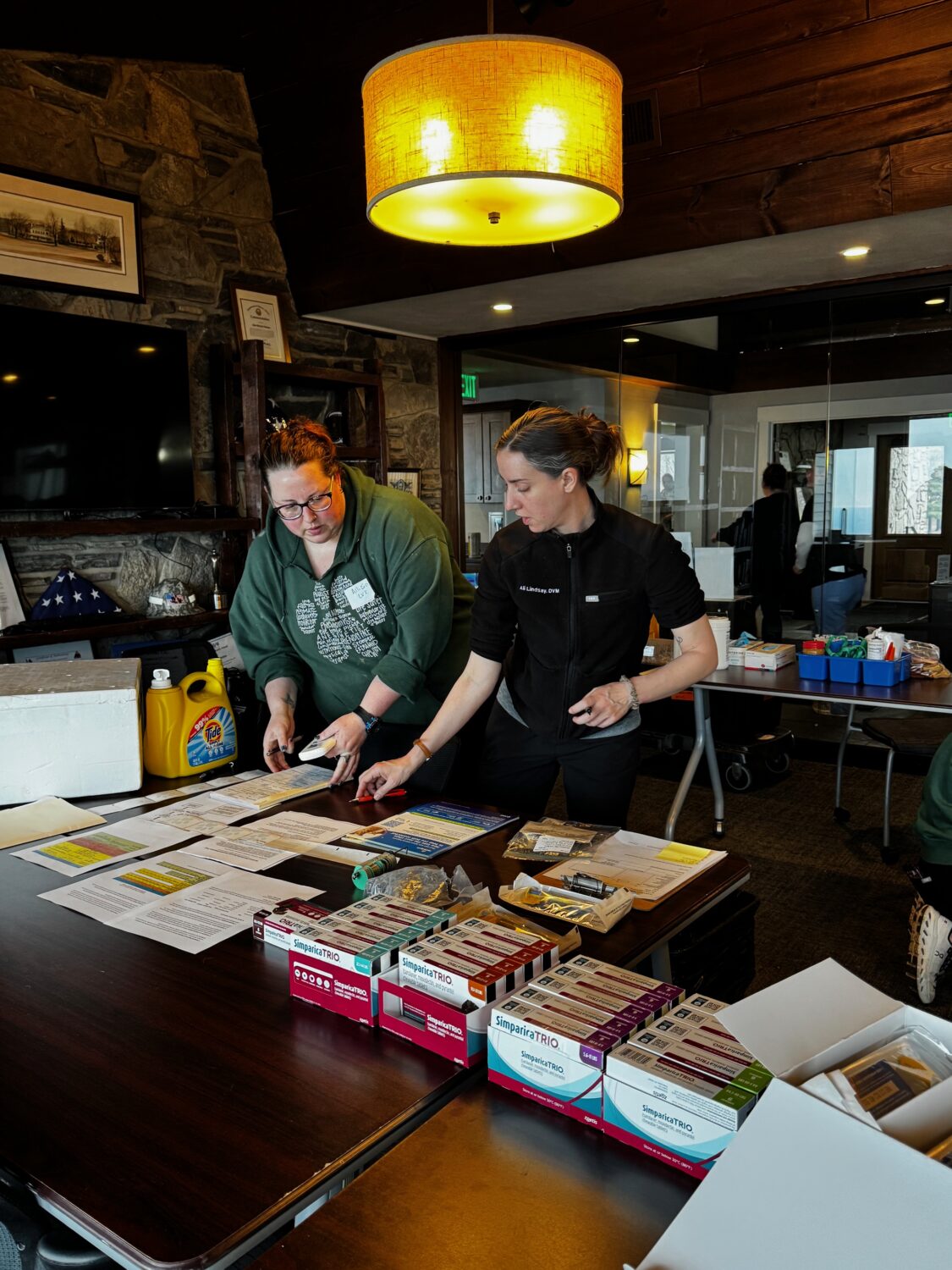
Increasingly, too, veterinary school-based shelter medicine programs are also investing heavily in community engagement initiatives as part of their overall mission.
“Originally, we tended to just pay attention to what was happening inside the shelters,” Newbury said. “But then we started looking at what’s leading animals to come to the shelters. And we realized that, often, the root issue was that residents were facing a lack of access to be able to give their animals the care they needed.”
As a result, programs like Wisconsin’s now routinely include spay and neuter outreach initiatives, vaccine clinics and even door-to-door veterinary wellness visits as part of their scope of work.
“Our students often rank the at-home visits in Milwaukee as among their favorite aspects of their training with us,” Newbury said. “They recognize that there have traditionally been significant barriers to accessing veterinary care. And they want to be part of the solution.”
Exposing students to outreach and shelter medicine topics allows us to “teach them about contextualized care,” Newbury added. “Too often, veterinary protocols focus on so-called ‘gold standards’ of care. But if the gold standard is completely out of reach [for a given community], then should it be the standard? We try to approach it differently, thinking about the most successful care that we can provide in a given environment. In that way, shelter and community medicine presents some really interesting—and rewarding—clinical challenges.”
Community Care Guidelines
The 2024 AAHA Community Care Guidelines for Small Animal Practice call for veterinary teams to redefine the gold standard to incorporate context into the care plan. The best course of action for a pet doesn’t solely depend on medicine and technology, but on the family’s circumstances. With this understanding, a gold standard level of care means providing the best possible care for a given pet in that circumstance, using a family-centered approach to determine how to proceed.
Real world training
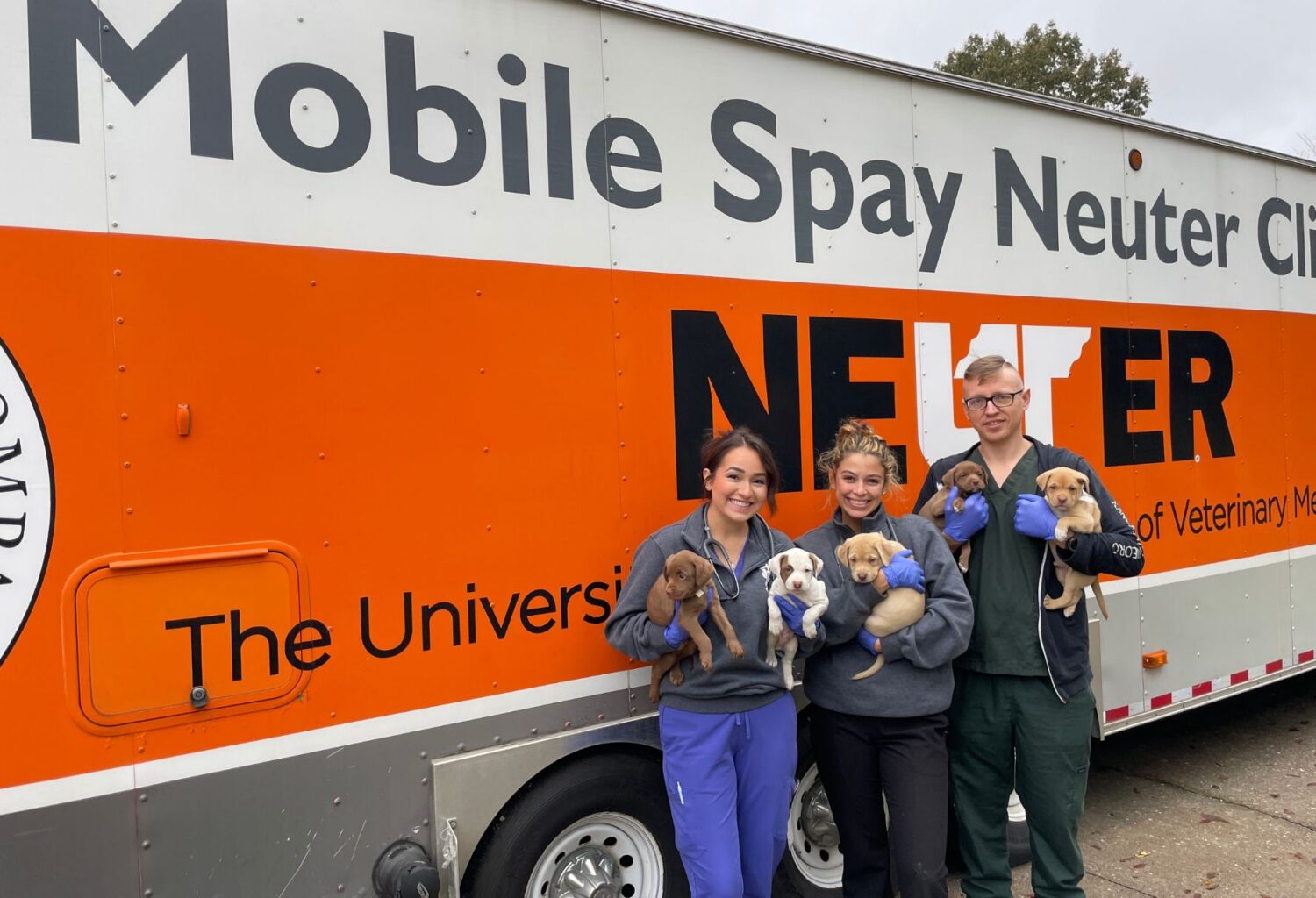
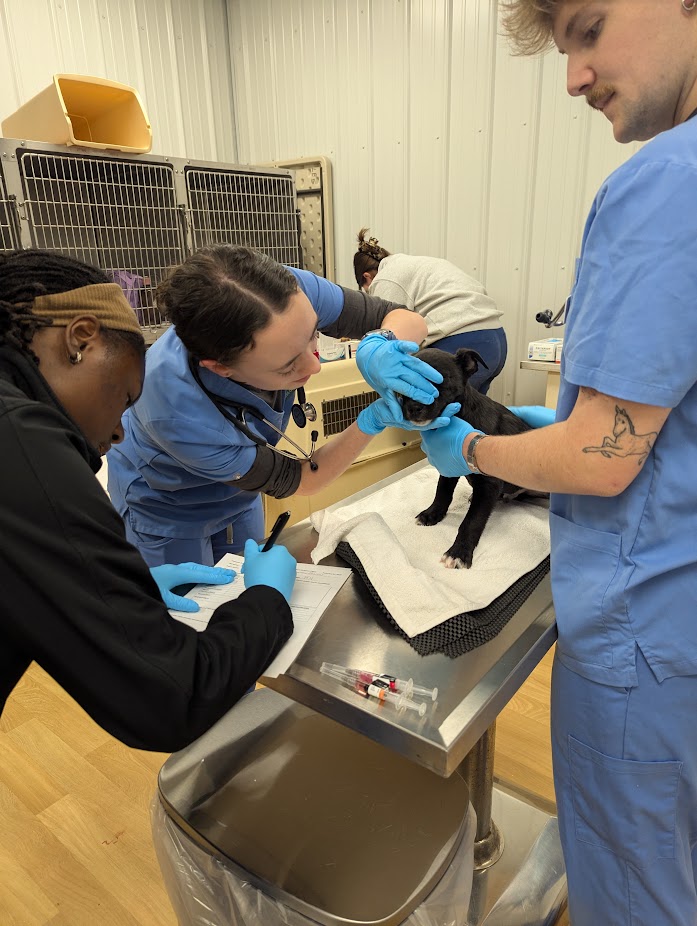
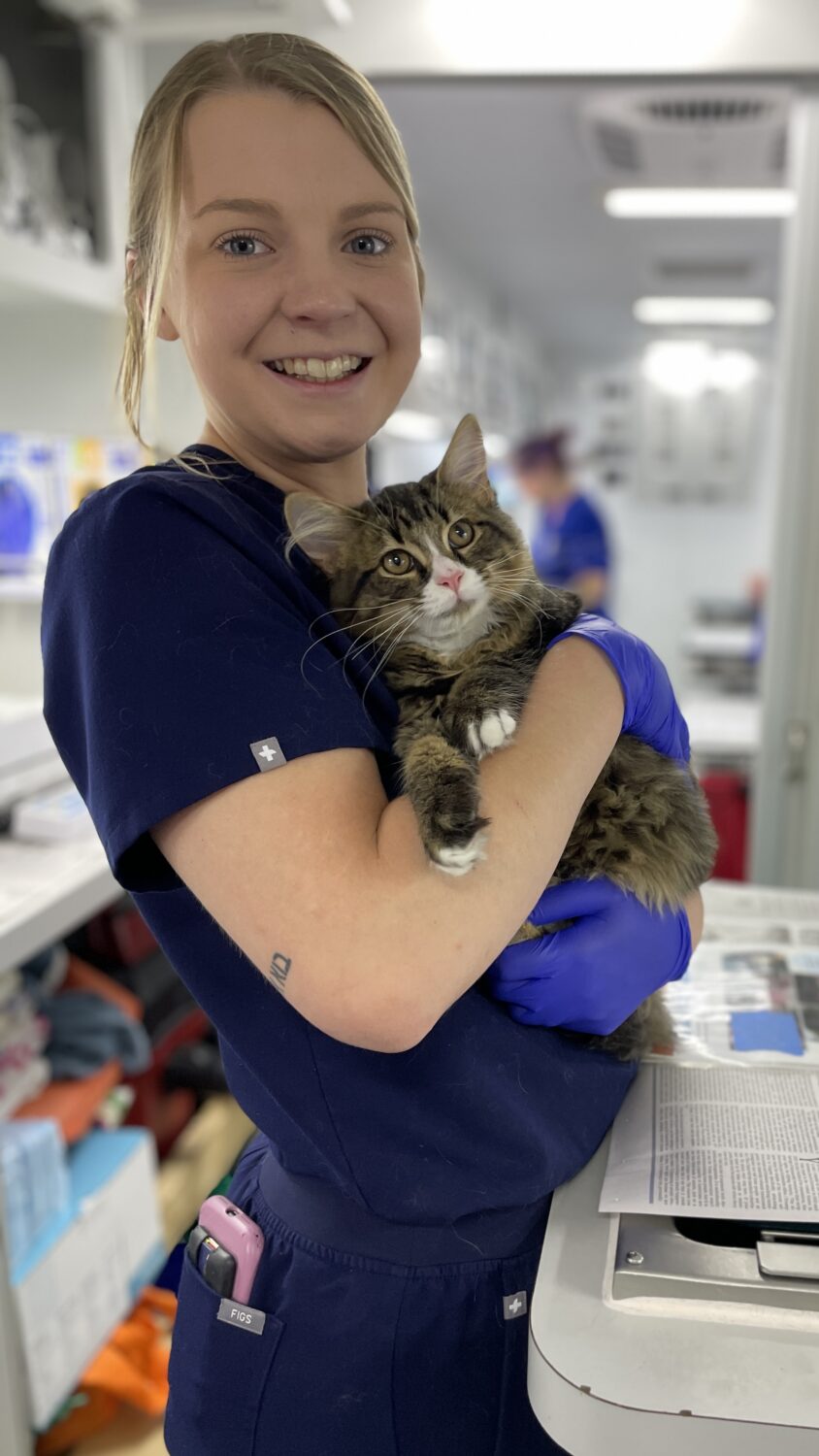
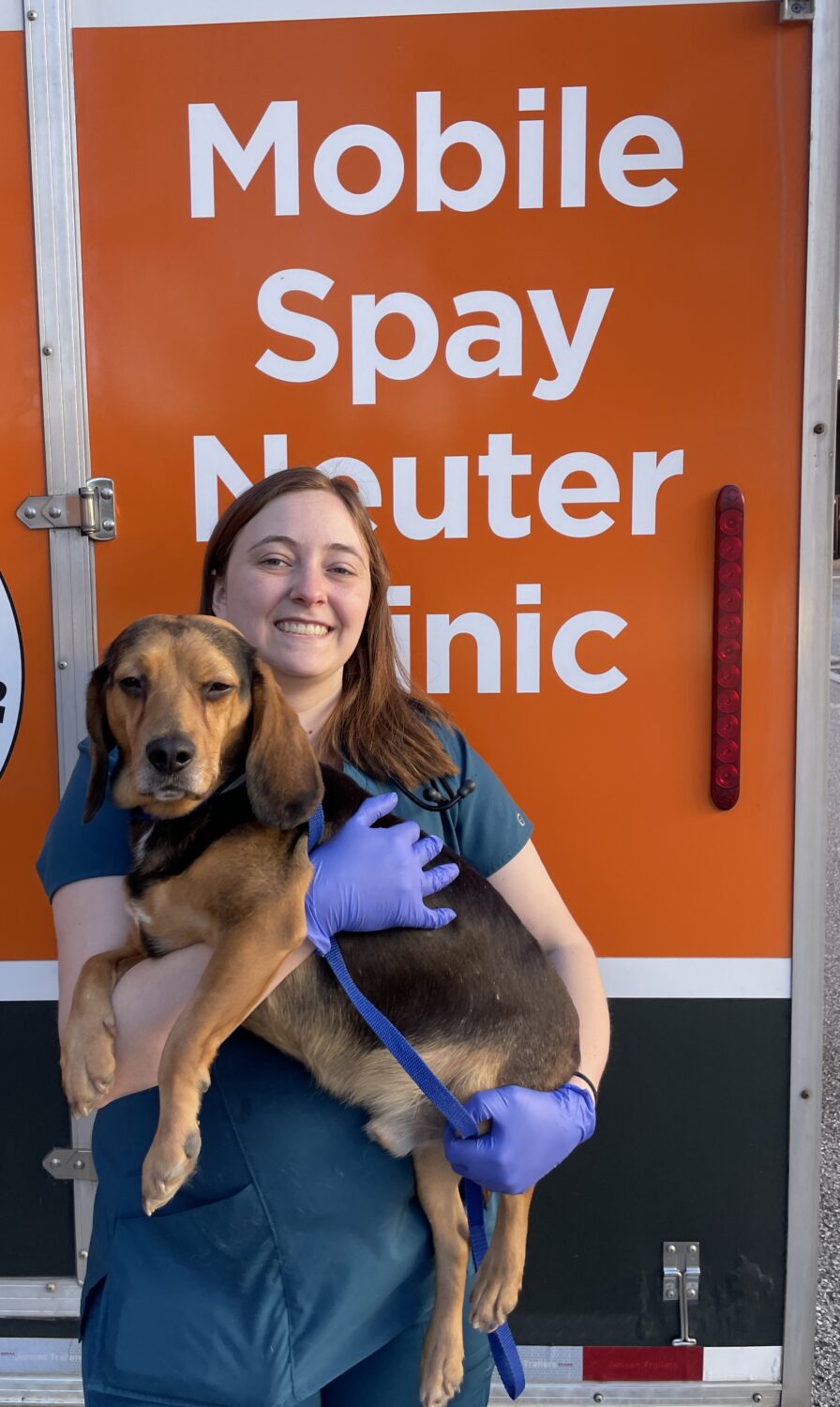
Through its mobile surgical unit, the University of Tennessee (UT) College of Veterinary Medicine’s Shelter Medicine Program delivers spay and neuter services for 17 shelters, rescues, and trap-neuter-release groups across Eastern Tennessee. In 2025, UT students performed more than 2,100 spay and neuter surgeries and provided more than 1,900 vaccinations as part of the program’s shelter medicine clinical rotation.
These partnerships serve as a win-win for the schools and their communities, offering a means to deliver care to animals in need, while providing fast-paced, hands-on training for veterinary students.
“Our shelter medicine program is a core rotation for us, so all of our students do their primary spay and neuter training through our mobile service,” said Becky DeBolt, DVM, who co-directs UT’s shelter medicine program with her colleague, Jennifer Weisent, DVM, PhD. The program expects to add a third full-time faculty position this academic year.
Shelter medicine is “a newer field, as a recognized field of its own, but it’s exciting to see how many students come in already thinking about it and looking for it,” DeBolt said.
Current UT veterinary student Taylor Treas, class of 2027, viewed the opportunity to perform 30 surgeries during her two-week experience on the mobile spay and neuter rotation as invaluable training.
“The faculty members were really great about holding our hand if we needed it, but also stepping back if we felt like we were okay. They oversaw the entire process to make sure that the animals remained safe and that we had the opportunity to build confidence in ourselves,” Treas said.
Like Wisconsin’s program, UT’s shelter program also intentionally includes community engagement and outreach programming, including opportunities for veterinary students to voluntarily staff wellness clinics for feral cats and for pets owned by Knoxville community members experiencing homelessness or financial instability.
“Our preclinical students who volunteer regularly tell us those experiences feel like a lifeline in helping them get through vet school,” DeBolt said. “It’s their chance to be hands-on, and it reminds them of why they’re here.”
Community engagement
In 2024, the Journal of Shelter Medicine & Community Animal Health published its first, formal overview of veterinary community engagement best practices, another indicator of the growing focus on community outreach among shelter medicine programs nationally.
“Historically, shelter medicine has been focused on taking care of animals in shelters. And infectious disease management, population control and epidemiology are still at the core of our work,” said Jessica Reed, DVM, DACVPM, CAWA, the Janet L. Swanson Director of the Maddie’s® Shelter & Community Medicine Program at the Cornell University College of Veterinary Medicine.
“But I think many in shelter medicine have also now embraced the idea that part of our mission is also keeping animals out of shelters and in homes in the community. So, community outreach and access to care are now a huge part of what we do and what we teach here at Cornell,” Reed added.
Long considered a pioneer in the field, having established the first veterinary school-based didactic course on shelter medicine in 1999, Cornell hosts a premier annual symposium on shelter medicine issues, the ASPCA Cornell Maddie’s® Shelter Medicine Conference, held each July. The program has recently begun expanding its community engagement focus, and staff there are currently spearheading an in-depth survey of area veterinarians and pet owners to identify precisely where access to care barriers exist locally.
Community Engaged Veterinary Care Conference
The University of Wisconsin-Madison School of Veterinary Medicine’s Program for Shelter Medicine and Community Engaged Care will host its first-ever conference focused on community engaged veterinary care November 4-6, 2026, in Madison. Visit the conference website for more details, as they are finalized.
Over the years, Cornell’s shelter medicine program—like Wisconsin’s, the University of Florida’s and others—has received significant funding support from Maddie’s Fund. The family foundation, established by Dave and Cheryl Duffield in honor of their dog, Maddie, has provided more than $300 million in grants focused on animal wellbeing and shelter medicine education.
With Maddie’s Fund support, the University of Florida College of Veterinary Medicine’s Shelter Medicine Program has developed a range of shelter medicine courses and training pathways, including master’s and graduate certificate programs, fellowships and a dedicated shelter medicine internship. Staff there also routinely perform consultations at shelters across the country to support protocols in addressing disease outbreaks or identifying new operational efficiencies.
Florida’s shelter medicine program is also a national leader in feline infectious disease research and community cat population management, among other key focus areas. Since 1998, the school’s Operation Catnip program has spayed or neutered more than 100,000 free-roaming cats in the Gainesville area, with students performing most of those surgeries.
Flexibility and empathy
Despite these programs’ impressive scope of work, annually sourcing adequate funding for shelter and community outreach can be challenging, and many veterinary school-based shelter medicine programs must draw on grant funding and support from both individual and corporate donors to meet basic operational costs.
Still, faculty at shelter programs feel the care and training insights these pathways provide are more than worth the investment, both by their schools and their outside supporters.
“Having students see that there are a variety of ways to treat cases is so important,” said Reed. “We hope to really empower students to be creative and be flexible practitioners. We want them to have empathy and be ready to meet their clients where they are. I think those lessons are really powerful.”
“Shelter vets tend to be like great MacGyvers. They don’t need a lot of really fancy tools to figure out how to get things done,” agreed Julie Levy, DVM, PhD, DACVIM, DABVP, who directs the University of Florida’s Shelter Medicine Program and serves as the Fran Marino Endowed Distinguished Professor of Shelter Medicine Education there.
“There’s a lot to love in this sector of work because it’s very mission-oriented,” Levy said. “There are victories every day.”
Lead photo courtesy of University of Tennessee CVM Shelter Medicine Program
Disclaimer: Trends content is meant to inform, educate, and inspire by providing an array of diverse viewpoints. Any content published should not be viewed as an official stance, position, or endorsement by the American Animal Hospital Association (AAHA) or its Board of Directors.
