For your clients: What plants are safe for pets when planting a garden?
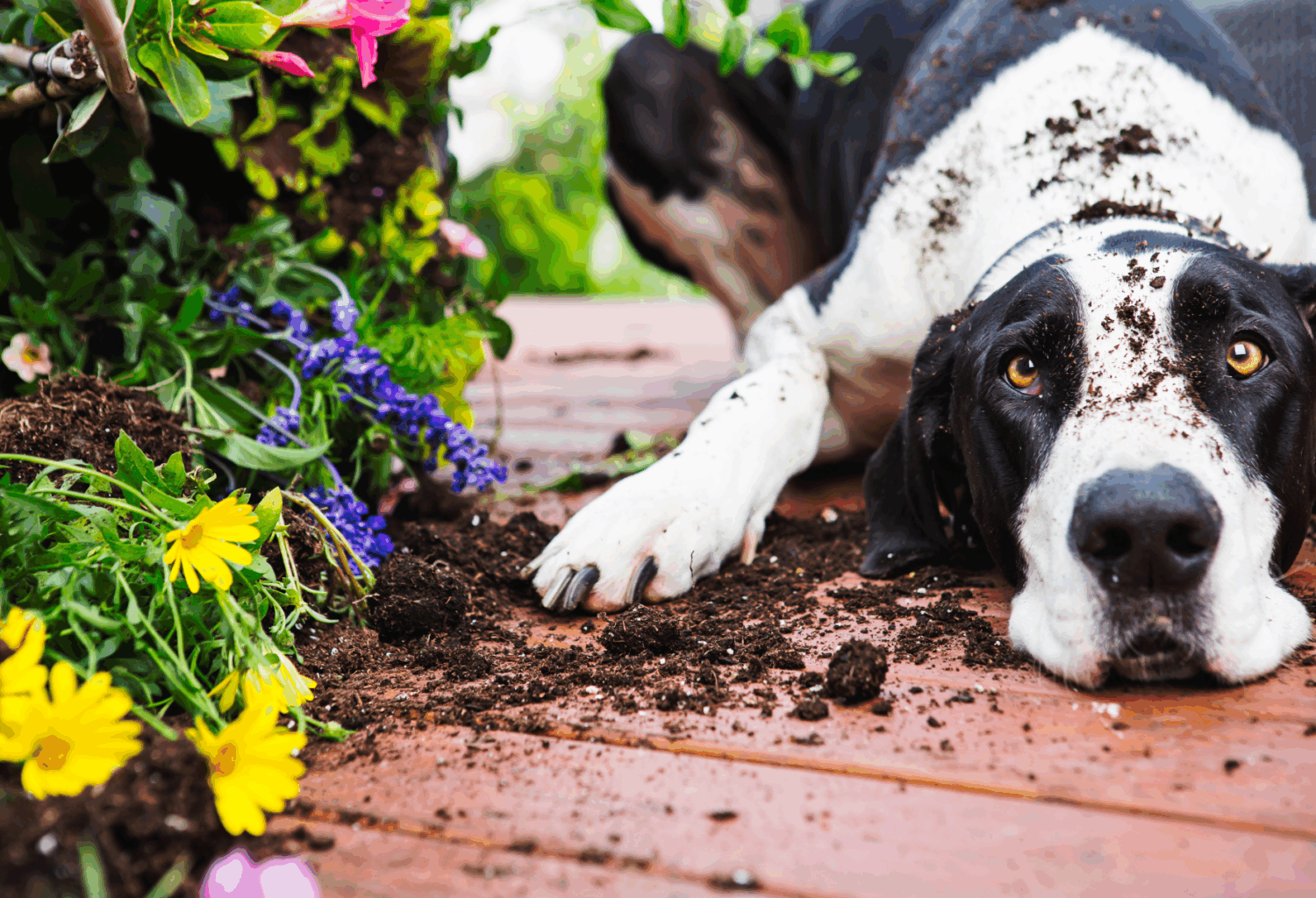
Clients planting a garden and asking you what is safe for their cat and dog? Here’s a resource you can share with pet parents regarding what to be aware of when it comes to gardening and your pets.
Advertisement
If your pet ingested a substance and you’re unsure if it’s toxic (e.g. if your pet ate a household plant and you’re unsure of its safety), call your veterinarian or an organization like the Pet Poison Helpline immediately to get your questions answered.
If you’ve ever had a garden, regardless of the size, you know the joy of watching your tomatoes go from green to red, digging carrots or potatoes from the soil, or maybe just watching some flowers bloom. With nearly 55% of households in the U.S. having a garden, it’s easy to understand why pet parents might wonder about what they can plant that might be of concern for their pets.
It’s no surprise pets are curious creatures. We’ve all seen the photos of the dog who’s dug up parts of the garden and yard, or the cat that just loves nibbling on the greenery around the house. So, it’s important that pet parents understand what might cause issues.
What to watch out for
Renee Schmid, DVM, DABT, DABVT, the Director of Veterinary Medicine and Senior Veterinary Toxicologist for the Pet Poison Helpline warns of one right off the bat, specifically for cats.
“The first thing I think about are the lilies, the renotoxic (or kidney toxic) lilies and a lot of those are going to be blooming here in the summertime, out in the landscape. And so we want to be sure to avoid those,” she said.
If you have indoor cats, making sure you’re not growing those, or even having those plants in your house might be your best bet, she noted. When growing plants, some folks might opt in to use some sort of fertilizer or plant food, Schmid notes to keep an eye out on pets getting into those as well.
“While most of the time those aren’t going to be a big concern in our dogs and cats, it’s certainly enough to cause some stomach upset and irritation,” she added.
When it comes to vegetables, there are a few that you should keep in mind if you have dogs and cats. Onions are one of the main concerns for Schmid. Since onions come from the Allium family, other plants to keep an eye out for in that family include garlic, leeks, and chives.
“For those who are planting and growing onions, onions have a lower margin of safety when it comes to dogs and cats, and cats especially. So, if you have a cat that likes to roam around outside and spend time in the garden, it’s probably a good idea to avoid growing onions altogether,” she added.
If you do grow onions, or other vegetables in the allium family, Schmid suggests building a fence around the garden that your cat or dog cannot get past.
Our “My Pet Ate” series is done in collaboration with the Pet Poison Helpline. You can learn more about the services they offer on their website or by calling (855) 764-7661.
Photo credit: ChristopherBernard via iStock/Getty Images Plus
Disclaimer: Trends content is meant to inform, educate, and inspire by providing an array of diverse viewpoints. Any content published should not be viewed as an official stance, position, or endorsement by the American Animal Hospital Association (AAHA) or its Board of Directors.
