Client Communication
My Pet Ate: Common household plants pet owners should and shouldn’t worry about
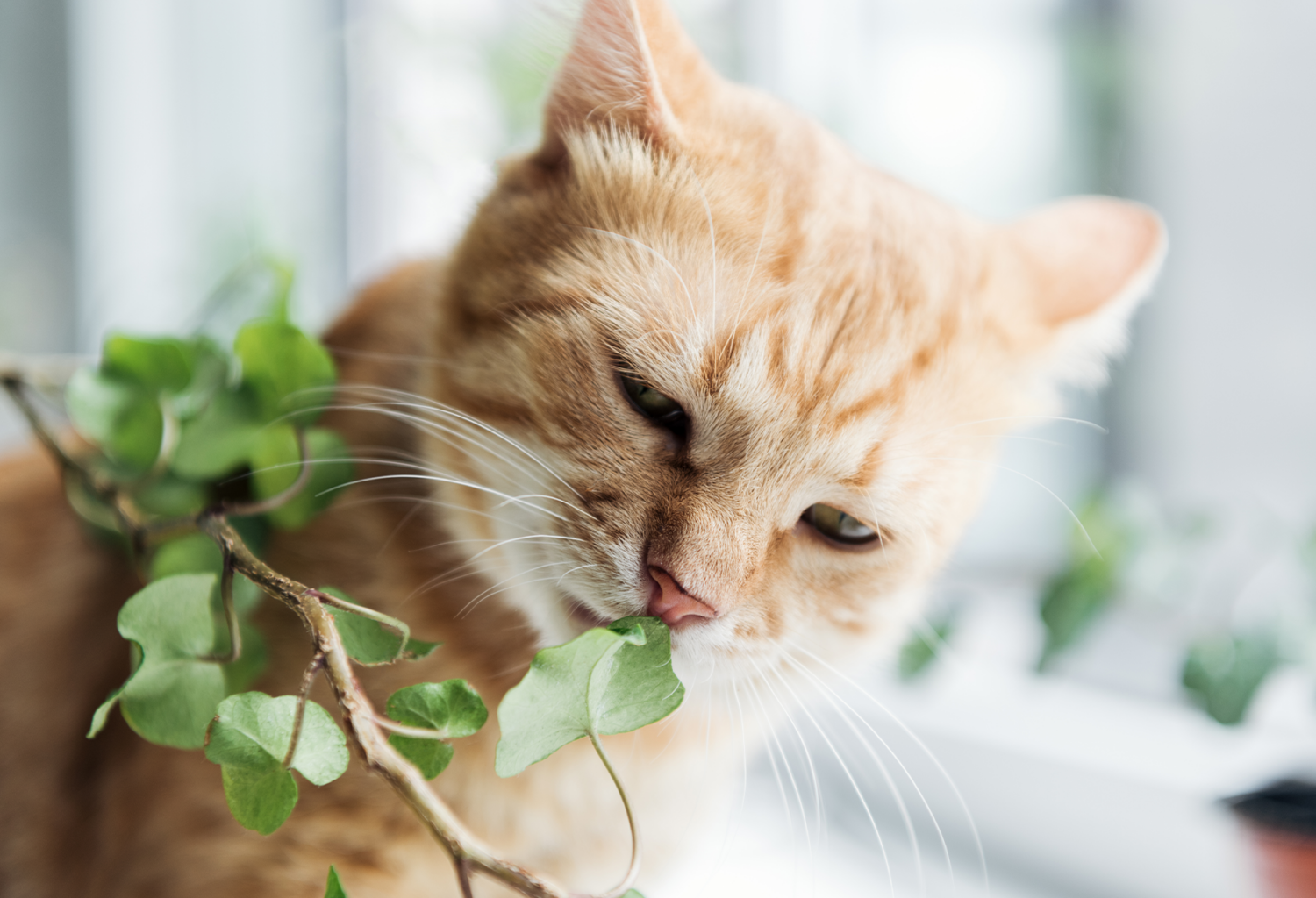
The Pet Poison Helpline is used to receiving calls from worried pet owners, usually to the tune of “my pet ate [insert any household item you want here].” Though, when it comes to calls regarding household plants, there are some to be wary of and others that present little-to-no risk to our furry friends.
Advertisement
If your pet ingested a substance and you’re unsure if it’s toxic (e.g. if your pet ate a household plant and you’re unsure of its safety), call your veterinarian or an organization like the Pet Poison Helpline immediately to get your questions answered.
Whether it’s a big monstera, a pathos, or a bamboo plant, many people love keeping plants in their homes. And why wouldn’t they? Of course, there’s the aesthetic. But having plants in a living space can actually bring some real health benefits to people. For example, housing plants can improve indoor air quality and even boost work productivity.
However, depending on the plant, what might purify the air for us could potentially poison our pet. Although past “My Pet Ate” features focused on dangerous human foods pets might ingest, some plants can pose similar hazards.
Did your pet eat a plant? Toxic ones to look out for
In the winter, many plants that sit outside come in. For example, owners in northern states might move their little palm tree on the patio indoors. Renee Schmid, DVM, DABT, DABVT, notes that palm trees fall into the first category of plants to watch out for: Cycads.
“It turns into being an all-year-round problem and not just a warm season issue,” Schmid says. “Humans, being as we are, have found a way to make them very small and so now you can find little ornamental cycads too.”
Cycads can cause liver failure in cats and dogs, she adds, which can result in vomiting, lethargy, loss of appetite, seizures. Other dangers include yellowing of the skin, eyes, and gums.
In that same breath, some Lilium plants are also dangerous ones to have, specifically for cats.
“Our Oriental lily, Stargazer lilies, Rose lilies – any of those that were maybe in pots outside, and you’ve brought them into the house now—those can cause kidney failure to occur in cats,” Schmid said. Cats with kidney failure will often become very lethargic, refuse to eat, and start vomiting.
With St. Patrick’s Day coming up, some pet owners may be tempted to get into the festive spirit and purchase a Shamrock plant. But as Schmid says, those can also cause potential kidney failure to occur in animals.
Azaleas or rhododendrons can also cause some heart changes in our pets, she says. Therefore, they should stay out of a pet owner’s home. “I like to avoid any of those types of plants inside the home for anybody who has dogs or cats.”
Plants that get a bad rap
While there are plants that rightfully belong in the “toxic” category, there’s another list that Schmid says pet owners think are poisonous but may only cause a slightly upset stomach in cats and dogs.
“Some of the other safer house plans would be like a philodendron or a pothos,” she says. “Again, just keep an eye out for a possible stomachache if your pet decides to make a treat out of it.
Other plants Schmid’s team gets calls about are some lilies not listed above. Although some lilies are toxic, just because “lily” is in the name doesn’t mean it’s potentially fatal in cats.
“Peace lilies, calla lilies, those are other ones that usually are going to be just causing some stomach upset if an animal were to get into them and would be safe to have in the household,” she added.
Being a responsible owner to both pets and plants
Remember, you can be both a plant owner and a pet owner (and there are benefits to both!). But to keep your pets safe, doing an inventory of what plants you have is always a smart move with pets in the house.
“Some indoor plants are always nice for our mental health,” Schmid playfully noted. “To remind us that there is a green life out there somewhere, especially for those of us in the colder climates.”
Oh, and as a reminder, when was the last time you watered those plants?
Our “My Pet Ate” series is done in collaboration with the Pet Poison Helpline. You can learn more about the services they offer on their website or by calling (855) 764-7661.
Photo credit: © LightFieldStudio via iStock / Getty Images Plus
Disclaimer: Trends content is meant to inform, educate, and inspire by providing an array of diverse viewpoints. Any content published should not be viewed as an official stance, position, or endorsement by the American Animal Hospital Association (AAHA) or its Board of Directors.
