2026 AAHA Oncology Guidelines for Dogs and Cats
Cancer is the leading cause of morbidity and mortality in our companion animals, affecting 50% of dogs and ~30% of cats over the age of 10 years.
When a dog or cat is diagnosed with cancer, clients look to primary care veterinarians to guide them in determining the best course of action for the pet and family, whether that be specialty referral, treatment within the practice, or palliative and end-of-life care.

Guidelines at-a-Glance
Understanding the common types of cancer in dogs and cats is essential for early detection, timely diagnosis, and appropriate treatment.
Regular veterinary check-ups, awareness of clinical signs, and client education play critical roles in managing cancer in pets.
The AAHA Oncology Guidelines for Dogs and Cats offer the latest recommendations on cancer diagnosis and treatment for the primary care veterinary team. These guidelines cover key fundamentals of and new developments in:
- Diagnosis
- Staging
- Treatment
- Supportive Care
3 Takeaways
- Understanding the risks, benefits, costs, and FDA approval or USDA licensing status of new oncology drugs is critical to using them appropriately and successfully.
- To assess a cancer patient’s prognosis and develop an optimal treatment plan, a cytologic or histopathologic diagnosis is needed, and in many cases, it is necessary to determine the tumor stage or tumor grade or both.
- The primary goal of chemotherapy in veterinary oncology is to maintain the best possible quality of life for pets while effectively managing their cancer. Most veterinary chemotherapy protocols are well tolerated, with side effects that are typically mild and manageable.
2 Actions
- Educate clients about the likelihood of appetite changes during chemotherapy and reassure them that this is a manageable side effect. By addressing appetite loss early, pets can remain on their cancer treatment plan and their overall well-being during therapy can be substantially improved.
- Thoroughly evaluate the patient—including evaluation for potential comorbidities—when instituting symptomatic care to improve overall quality of life. Routinely assess oncology patients’ nutritional and pain status, beginning with diagnosis and continuing throughout treatment.
1 Thing to Never Forget
- Cancer is frequently treatable or manageable in veterinary patients. A suspicion or diagnosis of cancer should be the beginning and not the end of the diagnostic process.
Download Oncology Guidelines at-a-Glance
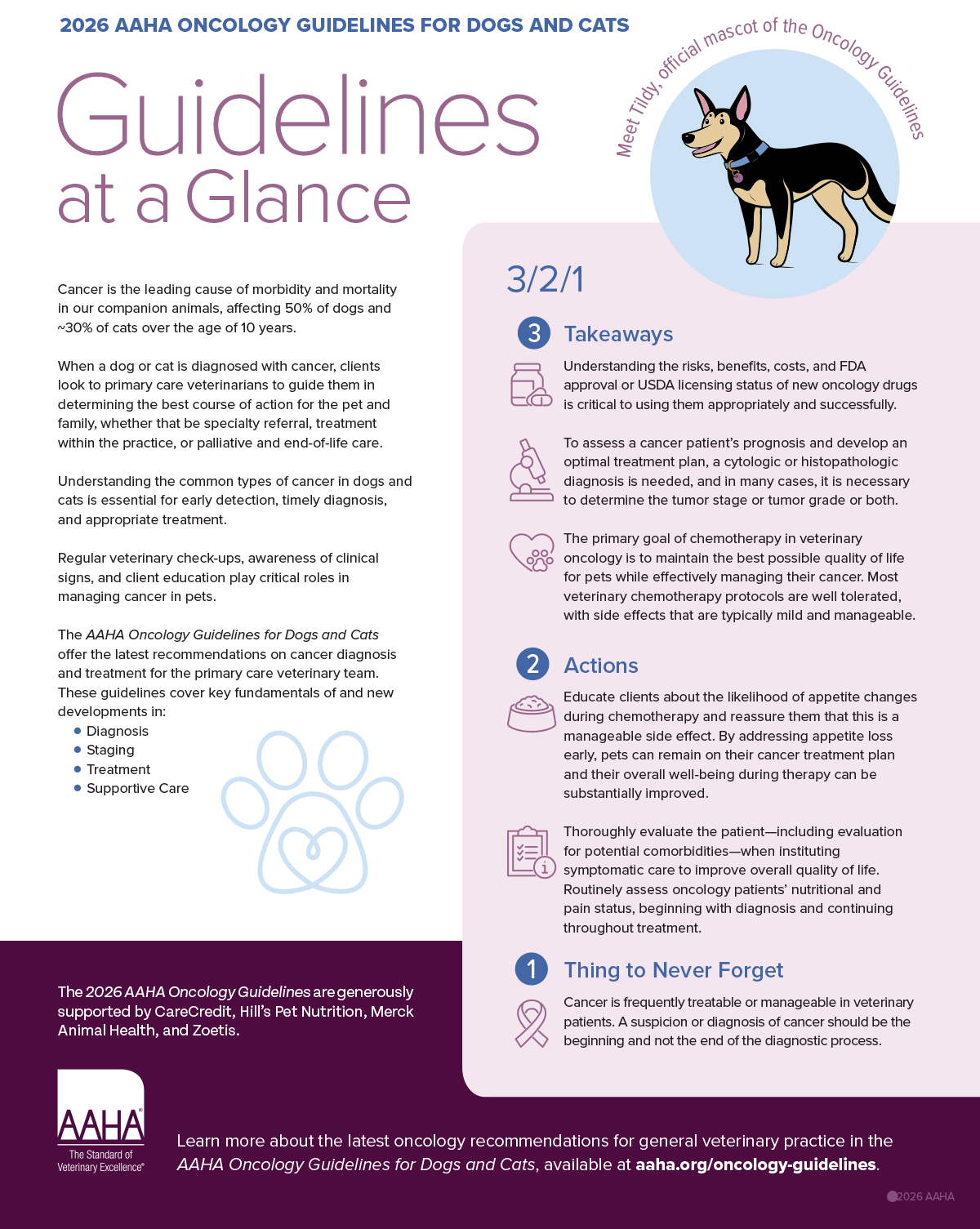
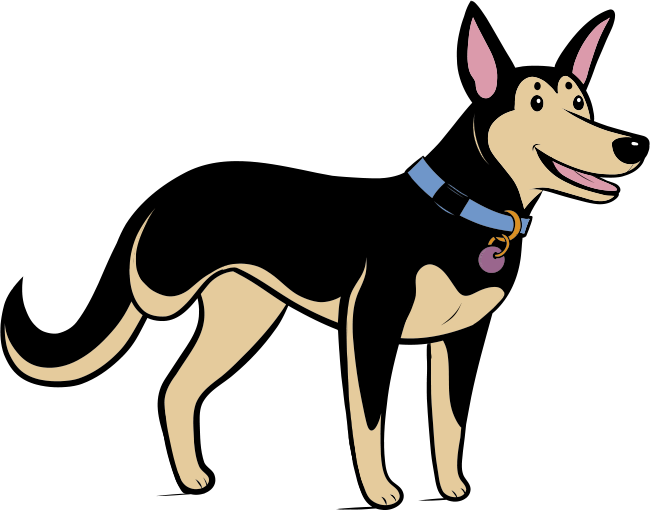
Meet Tildy, the Oncology Guidelines mascot!
Tildy is our mascot for the 2026 Oncology Guidelines, designed by artist Lili Chin.
The 2026 AAHA Oncology Guidelines for Dogs and Cats are generously supported by CareCredit, Hill’s Pet Nutrition, Merck Animal Health, and Zoetis.


