Culture and People
HAB-py tails: Shifting perceptions, similar preferences, and proof that the HAB benefits go both ways
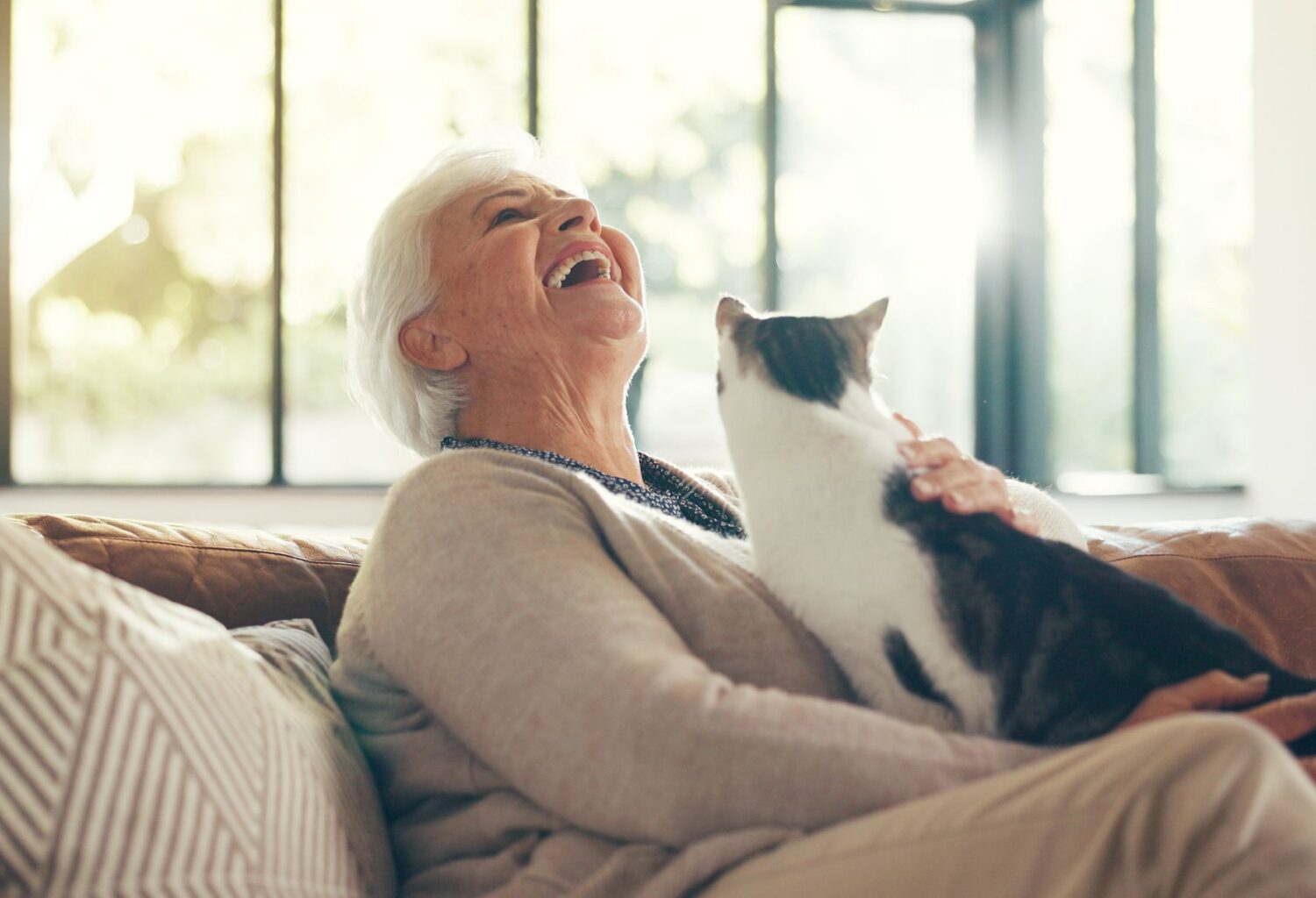
Each month we share stories and research highlighting the human-animal bond. We hope this serves as an inspiring reminder of the importance of the work you do every day to improve pet health. Because you’re not just helping that patient feel better; you’re also helping to keep the human-animal bond between that animal and their family strong.
Advertisement
One of the things many veterinary professionals mention as a key driver of their desire to work in this field is the human-animal bond (HAB). This work puts us in a unique position to help pet parents build and strengthen that bond—and by keeping their pets healthy, we allow that bond to continue for as long as possible.
If you’re having a tough day in the clinic, or just want a little reminder of how important your work is, take a look at this round-up of current research related to the human-animal bond. And if you have a suggestion for a story or study to include in our next HAB-py tails round up? Send it over to [email protected]!
Shifting perceptions among pet owners over 50
A 2025 University of Michigan National Poll on Healthy Aging survey of pet owners aged 50+ indicated some changes in perception regarding having a pet compared to a 2018 survey on the same topic.
Those surveyed in 2025 were more likely to agree that having a pet gave them a sense of purpose (83% vs. 73%).
While more than half of respondents said having a pet helps them enjoy life, connect with others, feel loved, and reduce stress, the more recent survey showed these—and several other—factors to be weaker than they were in the 2018 survey. Additionally, the 2025 pet owners indicated a stronger strain on their budgets than their 2018 counterparts—and they were also more likely to note specific barriers to pet ownership.
So, while we know that including pets as part of the family comes with loads of benefits, it’s important to remember that bringing a pet into the home isn’t always an easy task for every family, and certain barriers can become more difficult to overcome with age.
That makes it important for veterinary professionals to make sure clients—of all ages—have the opportunity to discuss any challenges they’re facing. Finances, transportation, mobility, memory, and more can all present obstacles to care, and by addressing those obstacles, we can help to improve quality of life for the pets and their people.
Pet two cats and call me in the morning
Voluntary interaction between humans and cats raises oxytocin in both species, according to a 2021 study on humans and a February 2025 study on cats.
The study found that cats form a variety of attachment styles, just like human infants and dogs. Some cats have insecure attachment style, and might exhibit excessive proximity seeking or avoidance behavior. Others have secure attachment style, meaning that, when exposed to stress, they view their caretaker as a safe space where the stress will be alleviated. The increased oxytocin findings were stronger in cats with secure attachment style.
That hormonal boost in cats was also stronger when they were the ones initiating contact by climbing into laps or nudging their people for attention. In addition to the increased oxytocin comes a decrease in cortisol, reducing blood pressure and perceived stress.
Great minds think alike
While you might not share your dog’s taste regarding scents you’d like to douse yourself in, a new comparative cognition study found that human and nonhuman animals often share acoustic preferences.
Researchers found that humans and a wide range of animals, including birds, frogs, and other mammals align when it comes to sounds. This agreement was particularly strong with sounds considered adorned, ancestral, and lower-frequency.
Now, this doesn’t mean your pets, patients, or clients are necessarily going to share your exact musical taste—so maybe don’t crank up your beloved Milli Vanilli in the waiting room. But it does back up the idea that, regardless of how many legs we have or how or hair grows, we have a lot in common with the beings around us.
Loss is loss
The circumstances surrounding the loss of a beloved pet can vary greatly, but two recent studies shared by The Dog Aging Project show that the emotional impact of the loss on pet parents remains very similar, regardless of how the pet’s death came about.
The first study, Owner-reported experiences are similar for dogs experiencing euthanasia or unassisted death: evaluation of the Dog Aging Project’s End of Life Survey free-text responses, gave pet parents the opportunity to share their experiences surrounding their pet’s passing in free text. Researchers compared the responses of those who reported an assisted death to those with dogs who died unassisted and did not find significant differences in the emotions people experienced after the fact. Guilt, blame, and grief were all common.
The other study, entitled The Dog Aging Project End of Life Survey reveals owners’ perceptions of canine death and highlights areas to improve client education, analyzed the survey to better understand pet parent perceptions around pet death, as well as how those perceptions factor into their approach to making end-of-life decisions. Pain and suffering were the top reasons for respondents to opt for euthanasia, along with poor prognosis and reduced quality of life. However, it’s important to note that the study showed that some respondents may not fully comprehend what certain symptoms mean and could mistake normal age-related changes for indications of pain.
What’s that mean for veterinary professionals? First, we must recognize just how intensely the loss of a pet can impact clients—and while the veterinary team does not need to provide grief support services in addition to their other duties, your practice must be prepared to point families going through this difficult time to helpful resources. And second, this underscores the importance of clear conversations, using plain language, about life stages, pain, quality of life, and a pet’s prognosis. We need to help our clients understand—and be able to articulate—the changes their pets are going through, and we need to be able to help them navigate this stage of their best buddy’s life, never minimizing or forgetting the strength of their bond.
Photo credit: Jacob Wackerhausen / iStock via Getty Images Plus
Disclaimer: Trends content is meant to inform, educate, and inspire by providing an array of diverse viewpoints. Any content published should not be viewed as an official stance, position, or endorsement by the American Animal Hospital Association (AAHA) or its Board of Directors.
