What to do when you first bring home a new puppy
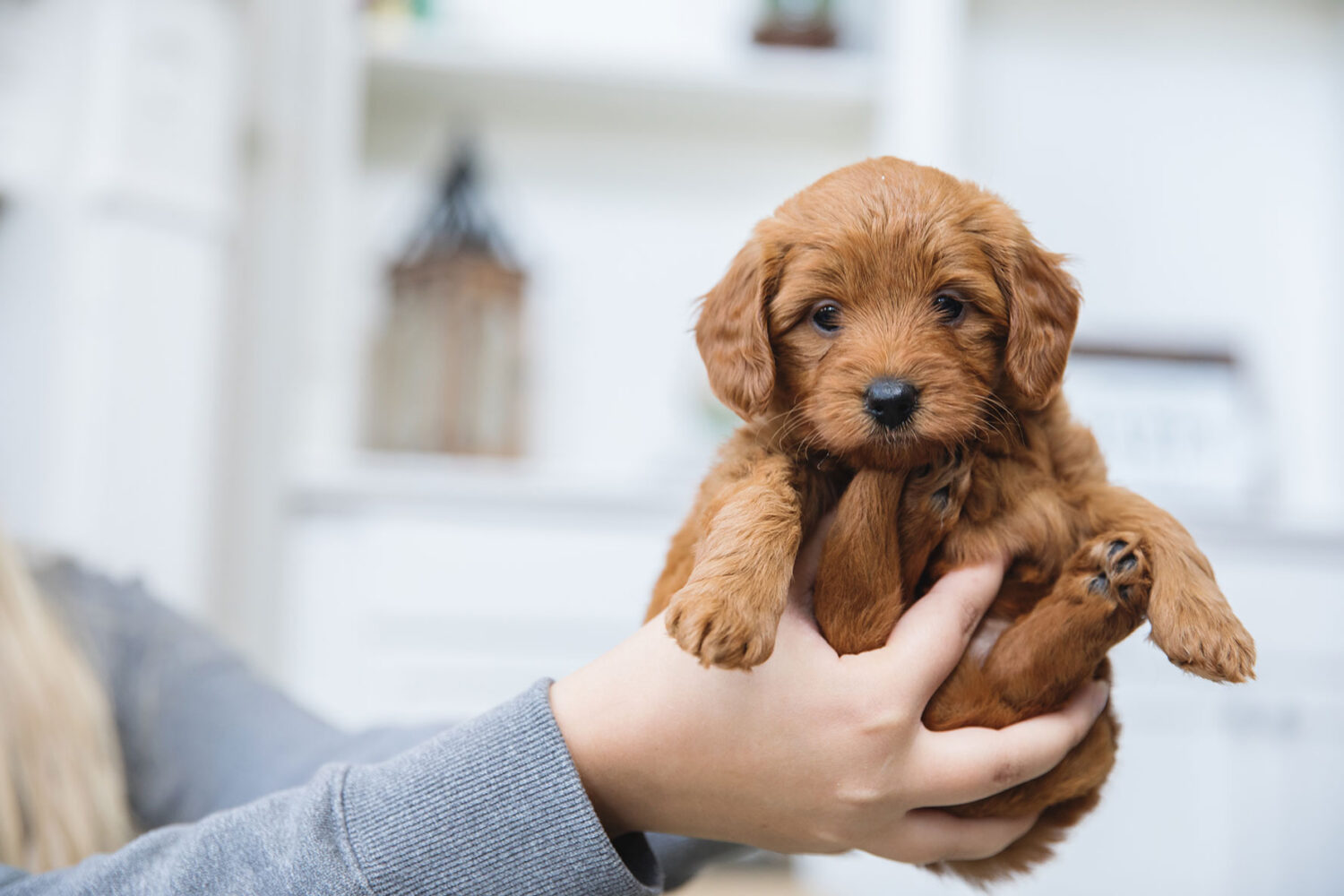
You have brought your new puppy home. The first days and weeks will require patience and empathy. Everything you do during this critical period in your new puppy’s development will determine the kind of dog they will become. Good management, supervision, and positive reinforcement will ensure that your puppy has the best possible start in life.
Advertisement
Crate training your puppy
Crate training is important for every puppy. A crate provides safety during car rides, vet visits, and other necessary situations. Your puppy should be taught to feel comfortable in a crate through positive association, never by forcing them inside or leaving them to cry it out. Keep the crate in a place where the puppy can see everyone, leave the door open, place comfortable bedding inside and place treats in it throughout the day. Do not close the door or lock them inside until they are happy to choose to rest in the crate voluntarily.
While many new puppy parents choose to use a crate at night, Callahan thinks they should know that it is not absolutely necessary. “The thing that I think traumatizes a lot of people is feeling like they come home and they have to put their puppy in a crate the first night. And for the people who don’t want to, I want to give them the ability to just take that puppy in bed with them, which is what we do.“
If you do choose to use a crate at night for safety, place it close to your bed so your puppy feels your presence and you can hear when they need a potty break. Remember that puppies are social animals and feel safer with companionship.
What is puppy socialization?
Socialization is one of the most important and most misunderstood aspects of raising a puppy. It is also simpler than many people think. Socialization is a planned, managed process of helping your puppy develop appropriate social skills and confidence in new situations.
Timing: There is often confusion about the gap between when it is safe to socialize your puppy health-wise, and when the socialization developmental window closes. Your veterinarian will give you the best advice about vaccination status and health risks in your area. Your trainer will devise a plan that respects both timelines.
Definition: Many people think puppy socialization means puppy playdates and puppy parties. While these can be fun, true socialization is teaching your puppy to be calm and relaxed around people and other animals in a variety of situations. The goal is for your puppy to see other dogs and remain engaged with you, not to have a wild, out of control play session.
Here are some practical approaches to socializing your new puppy:
- Controlled puppy and dog meet-ups: When your veterinarian says it is safe, arrange calm, supervised meetings with other puppies or dogs. Keep these sessions brief and positive.
- Safe exposure: On walks you can carry your puppy or use a stroller which is especially important where there may be unvaccinated dogs. Let your puppy see and observe other dogs and people without pressure to interact. This builds confidence quietly.
- Novelty: Introduce your puppy gently to something new in your home every day. Turn on the hairdryer. Make popcorn or move a dining chair into the kitchen. While on walks, let them see things like skateboarders, motorcycles, trucks, and dogs and other animals from a safe distance. Associate these new experiences with treats and playtime. This kind of positive exposure builds resilience.
You should be your puppy’s safe place
Whenever your puppy is experiencing anything new, you must always be their refuge. If your puppy seems unsure or overwhelmed, they should always feel they can come to you.
Callahan describes a technique she recommends to new puppy parents when their puppy is interacting with other puppies or adult dogs. She suggests that you sit on the ground with your knees up, creating a little safe space. You are aiming for your puppy seeking you out and using your knees as shelter if they feel uncomfortable. Do not push them away with “go on, go make friends.” Instead, let them process what they are experiencing, and choose engagement when they are ready. If your puppy still does not want to join in after 5 to 10 minutes, then end the session. Try again another day. There’s no timeline you must meet.
Learning to read body language is highly recommended before you socialize your puppy. Watch for:
- Pulling toward (confidence) or backing away (uncertainty or fear)
- Tail tucked (anxiety) or loose and wagging (relaxation)
- Leaning forward (engagement) or a worried brow (concern)
These simple observations will help you understand when your puppy is overwhelmed and needs your protection. This will help prevent anxiety and reactivity later in life.
Why trust comes before obedience training
According to Callahan “The most important thing to teach is not sit down, touch, stay. It is you’re safe with me.” Teaching basic obedience is a useful skill. But it should never come before trust. Trust leads to communication. Once your puppy sees you as their secure place, they naturally choose to stay close to you in new environments and look to you for guidance.
If your puppy’s needs for play, novelty, and social interaction are being met, they are being set up to be stable and pleasant companions. Puppies communicate their needs through behavior. When you pay attention to that behavior and respond with understanding, they learn that you understand them. This builds trust exponentially. When problems arise later such as anxiety, reactivity, and unwanted behaviors, they can almost always be traced back to unmet needs, not inadequate obedience training.
Callahan emphasizes this strongly. “If you have not worked hard on meeting that dog’s needs for engagement and canine socialization and interacting with their world. If you haven’t met all those needs, and you smush their behavior, what ends up happening is you’re going to find anxiety, reactivity, all sorts of bad stuff coming out.”
Housetraining, supervision & sleep deprivation
The reality of having a new puppy is a combination of joy and exhaustion. Be prepared for sleep deprivation, especially in the first month. If you want to successfully housetrain your puppy, you will need to get up for nighttime potty breaks. If you can, share this responsibility.
Successful housetraining depends on supervision, management, and routine. It can happen quickly with consistency, though it may take several months before your puppy can reliably hold it through the night:
- Supervision: Your puppy should always be visible to someone responsible enough to get them outside before an accident happens. This is the single most important factor.
- Management and Routine: Establish a schedule. Puppies typically need to toilet after eating, sleeping, and playing. Feed at consistent times and maintain regular play and rest periods. As your puppy trusts you, they will offer signals like sniffing or circling. Learn to recognize these.
- Praise and Rewards: When your puppy toilets in the correct location, praise gently and offer a treat. Keep everything low-key and calm.
- Accidents Happen: There will be accidents and they will not be the puppy’s fault. Punishing a puppy can create anxiety around toileting and make housetraining more difficult. Clean up calmly and ensure your puppy has the opportunity to go in the correct place at the right time.
Supervision, safety, and the home environment
If there are children in your household, interactions with the puppy must always be supervised. Children and puppies are both still learning to navigate the world and can be unpredictable. Household rules around children include:
- Never leave children unsupervised with puppies.
- Use all interactions as teaching opportunities for both child and puppy.
- Children should play with puppies using toys, never their hands.
- Teach children to recognize when a puppy needs space.
Beyond children, maintain general awareness of hazards in the home such as toxic plants, small objects that could be swallowed, electrical cords, and household chemicals should all be secured or removed from your puppy zones.
What matters most in the end
Every puppy is unique, and every household and lifestyle is different. There are no one-size-fits-all guidelines.
If you’re going to follow advice online or in books, pick three sources you trust and stick to them. This prevents the confusion and conflicting information that comes from gathering advice from dozens of places. When evaluating any professional you consider taking advice from, check their credentials carefully.
Your needs, whether you have children, work from home, live in an apartment or the country, will shape your priorities. Your trainer and veterinarian can help you adapt these principles to your specific situation.
What matters most is that you become your puppy’s trusted rock. Be the place they know is safe. Lead with empathy. Meet their needs. The obedience, the good behavior, and having a confident adult dog will follow naturally from there.