10 Pet-Safe Garden Plants That Are Easy to Grow Across the U.S. (Zones 4-9)
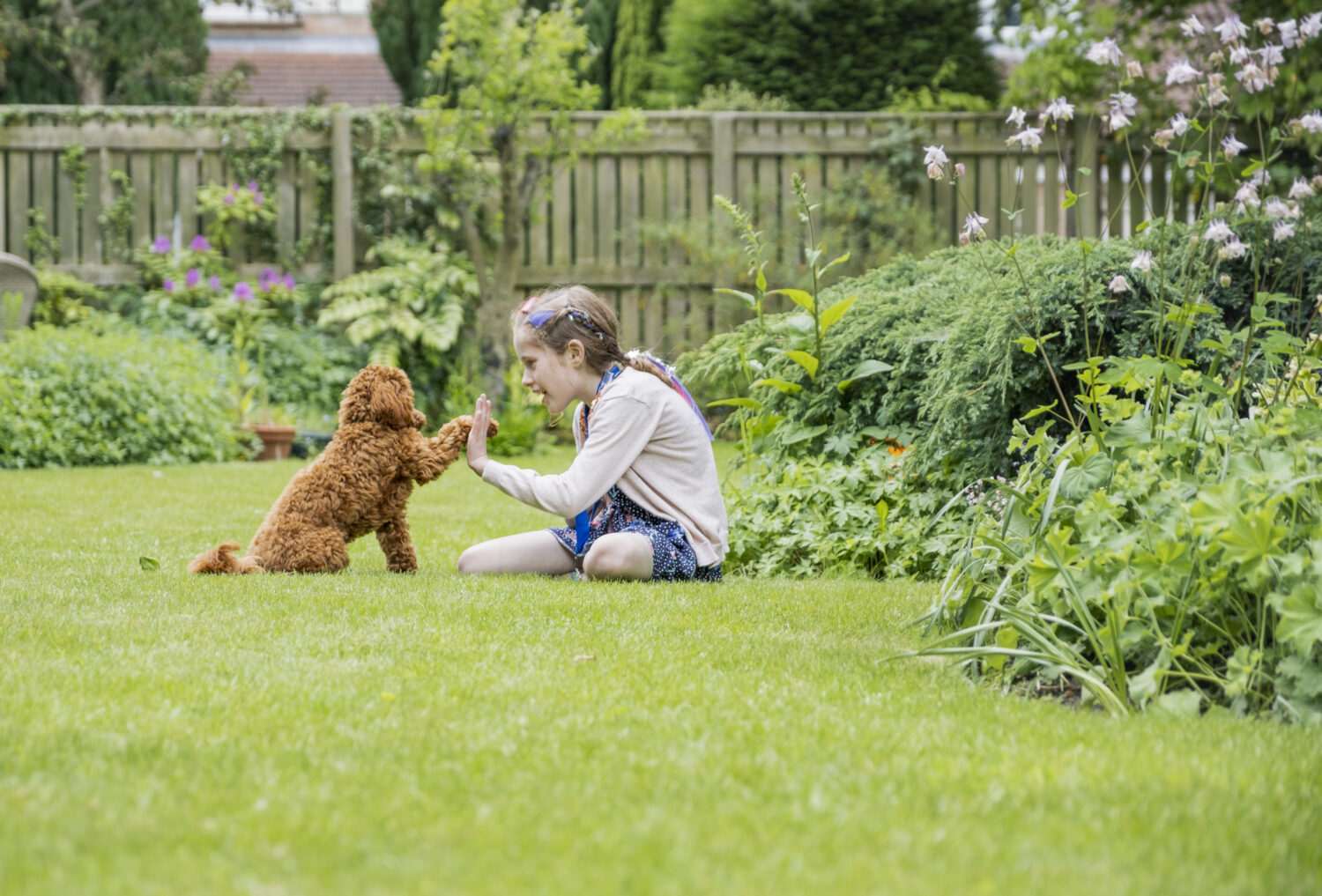
As the weather warms, most gardeners start thinking about color, texture, and what to plant next. But if your yard is accessible to curious dogs or adventurous cats, plant choices matter just as much as light and soil requirements because many popular garden plants can be toxic to pets if chewed or ingested.
The good news is that pet-safe garden plants aren’t hard to find, and plenty of them are beginner-friendly too. Below are 10 options that cover sunny spots, shady corners, and everything in between. Some are native plants that support local pollinators, and some are well-behaved non-native ornamentals that are easy to find at any garden center. Learn all about cosmos, nasturtiums, calendula, impatiens, coral bells, tickseed, goldenrod, bee balm, asters, and wild geranium.
Advertisement
Pet-Safe Native Garden Plants That Support Pollinators
Native plants evolved alongside local wildlife, which means they often provide essential food and habitat for bees, butterflies, birds, and other pollinators.
Incorporating native plants into your garden can help support local ecosystems while still creating a beautiful outdoor space. It is important to note that just because a plant is native doesn’t mean it can’t spread aggressively. Most still require some maintenance, specifically when first establishing.
Tickseed (Coreopsis spp.) – A Tough Native Perennial
Tickseed is a cheerful yellow wildflower that thrives in full sun and tolerates poor soil and dry conditions. It blooms for long stretches of the summer and is incredibly easy to grow, making it a great choice for beginner gardeners. Tickseed attracts bees and butterflies and is often included in pollinator gardens and wildflower plantings.
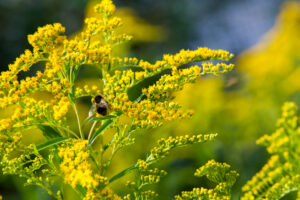
Photo credit: Getty Images / TatyanaMishchenko
Goldenrod (Solidago spp.) – An Ecological Powerhouse
Goldenrod produces bright yellow plumes that bloom in late summer and early fall, adding color to your garden well after spring and summer blooms. Despite its reputation, goldenrod does not cause seasonal allergies. Ragweed, which blooms at the same time, is usually the real culprit.
Goldenrod grows well in full sun to partial shade and supports a huge number of pollinator species.
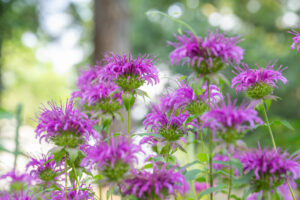
Photo credit: Getty Images / Marianne Pfeil
Bee Balm (Monarda spp.) – A Hummingbird Favorite
Bee balm produces vibrant red, pink, or purple flowers that attract hummingbirds, butterflies, and bees.It grows well in sun to partial shade and spreads slowly over time, creating a lush patch of colorful blooms.
Its fragrant foliage and unique flower shape make bee balm a standout in pollinator gardens.
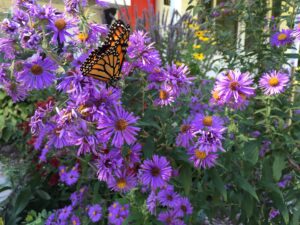
Photo credit: Getty Images / John Byer
Asters (Symphyotruchum spp.) – Essential Late-Season Flowers
Asters bloom in late summer and fall, when many other flowers have already finished. Their purple, blue, or pink blooms provide an important nectar source for migrating butterflies and late-season pollinators.
Asters grow well in sun to partial shade and add beautiful fall color to garden beds.
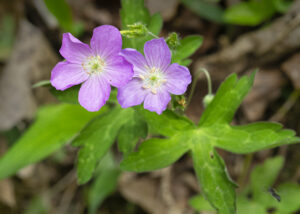
Photo credit: Getty Images / Donna Bollenbach
Wild Geranium (Geranium maculatum) – A Native for Shady Spaces
Wild geranium is a native woodland plant that produces soft pink or lavender flowers in spring. It grows best in partial shade to shade, making it a great option for gardens with mature trees or woodland edges. Once established, it is low-maintenance and spreads slowly to create natural-looking garden patches.
One quick note: wild geranium (Geranium maculatum) is not the same plant as the common garden geranium (Pelargonium) sold at most garden centers, and that distinction matters for pet owners, because Pelargoniums are not considered pet-safe.
Pet-Safe Non-Native Garden Plants (That Aren’t Ecologically Problematic)
Not every pet-safe garden plant needs to be native to be a responsible choice. Many commonly grown ornamentals are well behaved in gardens, non-invasive, and safe for pets.
These pet-safe garden plants are widely grown across the United States and are generally easy for beginner gardeners.
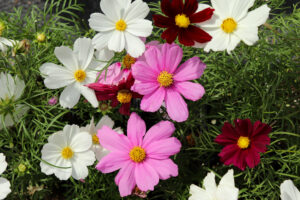
Photo credit: Getty Images / KCmelete
Cosmos (Cosmos bipinnatus) – Effortless Summer Color
Cosmos are one of the easiest flowers you can grow. Their delicate daisy-like blooms sit on tall, airy stems that sway in the breeze. They thrive in full sun and average soil, and once established, they tolerate drought surprisingly well. Cosmos are also beloved by pollinators, which makes them a nice addition to pollinator-friendly gardens.
For gardeners who prefer a relaxed, natural look, cosmos are a great choice because they often self-seed gently without becoming invasive. They also look great in a vase, although they don’t last very long when cut.
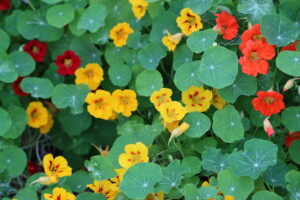
Photo credit: Getty Images / Francesca Leslie
Nasturtiums (Tropaeolum majus) – Cheerful and Edible
Nasturtiums are colorful annual flowers known for their round leaves and bright blooms in shades of orange, yellow, and red. They grow best in full sun and are often planted along borders, in containers, or trailing out of raised beds. One unique feature is that both the leaves and flowers are edible and slightly peppery, which is why they sometimes appear in salads. They often accompany vegetables in raised or container gardens.
Nasturtiums are easy to grow and typically thrive even in poor soil.
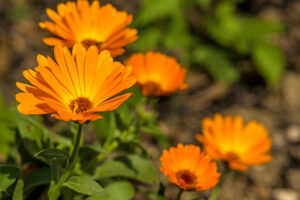
Calendula (Calendula officinalis) – A Friendly Garden Classic
Calendula, sometimes called pot marigold, produces warm orange and yellow blooms that brighten garden beds. It grows well in sun to partial shade and is commonly planted in vegetable gardens because it attracts pollinators and beneficial insects.
Calendula has also been used historically as a medicinal herb, but most gardeners simply appreciate it for its cheerful flowers and long bloom season.
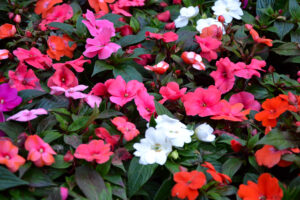
Photo credit: Getty Images / ADELART
Impatiens (Impatiens walleriana) – Reliable Color for Shady Gardens
Impatiens are one of the best options for adding color to shady or partially shaded garden spaces. These compact plants produce abundant blooms in shades of pink, red, purple, and white throughout the growing season. They’re commonly used in containers, borders, and woodland gardens where sun-loving flowers struggle.
Impatiens are easy to grow and thrive with consistent watering and protection from intense afternoon sun.
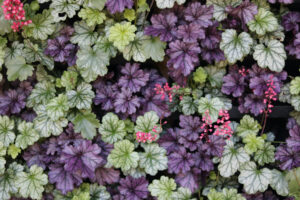
Photo credit: Getty Images / Jane Tansi
Coral Bells (Heuchera spp.) – Beautiful Foliage for Shade
Coral bells are grown primarily for their striking foliage, which comes in shades of green, bronze, purple, and even silver. These hardy perennials grow best in partial shade to shade and add texture and color to garden beds long after other flowers have faded.
Many varieties are native to North America or derived from native species, and they are valued by gardeners for being long-lived, low-maintenance, and pollinator-friendly.
A Quick Note on Garden Safety for Pets
Even when a plant is considered non-toxic to pets, it’s still a good idea to discourage chewing. Large amounts of plant material can cause stomach upset, vomiting, or diarrhea in dogs and cats.
Garden products can also pose risks. Mulches, fertilizers, herbicides, and pest-control treatments may contain ingredients that can be harmful if ingested.
To reduce risk:
- Store fertilizers, weed killers, and pest-control products out of reach of pets
- Avoid cocoa mulch, which can be toxic to dogs
- Follow label directions carefully when applying garden treatments
- Keep pets away from treated areas until products are dry or fully absorbed
Compost piles are another common backyard feature that require some caution. Dog and cat feces should not be added to compost, as they may contain parasites and bacteria that can pose health risks. If you have pets who scavenge, consider a compost tumbler to discourage ingesting anything in various states of decay.
In some cases, physical barriers can also help keep curious pets away from plants. Low garden fencing, decorative borders, or raised beds can discourage digging and prevent pets from accessing plants that may not be safe for them. This can be especially helpful if your yard contains ornamental plants that aren’t considered pet-safe. Keep in mind, if you do have plants that aren’t pet-safe, even the clippings can be harmful, so be sure to bag up and dispose of them after your yard work.
Taking a few precautions with plant choices, garden products, and layout can go a long way toward creating a safer outdoor space for everyone.
Gardening With Pets in Mind
A beautiful garden and a pet-friendly yard can absolutely coexist.
By choosing pet-safe garden plants, avoiding invasive species, and using garden products carefully, you can create an outdoor space that supports pollinators, looks beautiful, and keeps curious pets safer. If you ever have concerns about what your pet may have eaten, your local AAHA-accredited veterinarian is a great first call. The ASPCA Animal Poison Control or Pet Poison Helpline are also available 24/7.