Clinical
Optimizing the Golden Years

Veterinary practices need help attracting senior pets into their clinics, and with giving clients useful, practical tips that will allow the seniors (and their caregivers) to have as easy a last chapter in life as possible.
Advertisement
Help Senior Pets Live Their Best Lives
There is literally nothing better to me than an old dog or cat. Sure, I get carried away when I see a puffball of a kitten or smell that amazing puppy breath. But I can set them down and walk away without a second thought.
But when I see a lumpy old dog with opaque eyes and a weak and wobbly gait, or a skinny old cat with half their whiskers and a creaky old meow, I’m gaga, head over heels, in love!
In my practice as a hospice veterinarian, I’ve seen my share of sugar faces and scrawny cats—I really do have the best patients and families. But what I struggle with is knowing that most dogs and cats are not seen by their veterinarian in the last year of their life.
A number of studies I conducted with VetSource show that about 48% of pets in the US have not been to their GP vet in the 12 months before they are euthanized. And I think that number is higher, as we were not able to account for pets euthanized at ERs or in-home or those who died naturally.
With that said, it has been my mission to help veterinary clinics attract these super seniors into their clinics and arm these clinics with useful, practical tips to give owners—tips that will allow the seniors (and their caregivers) to have as easy a last chapter in life as possible.
I could talk endlessly about senior pets, but I’ll focus on these three key aspects of senior care:
- Enrichment activities to keep aging animals mentally and physically sharp
- Maximizing the quality of life during a senior pet’s golden years
- Guiding clients on embracing the unique joys and challenges of caring for senior pets
The Importance of Enrichment in Senior Pet Care
Cognitive Decline in Senior Dogs and Cats
As pets age, cognitive decline becomes a significant concern for both their physical and mental wellbeing. Cognitive dysfunction syndrome (CDS) in dogs and feline cognitive dysfunction (FCD) in cats are conditions akin to Alzheimer’s disease in humans. These syndromes manifest as a gradual deterioration in cognitive abilities, affecting memory, learning, perception, and awareness.
Age of Onset and Prevalence
For dogs, signs of CDS often appear around the age of 8 to 10 years, though this can vary based on breed and individual health. Studies indicate that up to 28% of dogs aged 11 to 12 years and 68% of dogs aged 15 to 16 years exhibit at least one sign of cognitive dysfunction. In cats, the onset of feline cognitive dysfunction (FCD) generally occurs around 10 to 11 years of age. Research shows that approximately 28% of cats aged 11 to 14 years and up to 50% of cats aged 15 years or older demonstrate behaviors associated with cognitive decline.
Practical Tips for Home Care and Enrichment
Although cognitive decline cannot be completely halted, there are several strategies that can help slow its progression and improve the quality of life for both pets and their owners. Implementing a combination of cognitive, physical, and sensory enrichment activities can provide mental stimulation and maintain overall wellbeing. Enrichment is a vital component of senior pet care. According to the 2023 AAHA Senior Care Guidelines, maintaining both mental and physical stimulation in aging pets is crucial to preventing cognitive decline and supporting overall health. Enrichment activities help address common issues such as reduced mobility, anxiety, and boredom, all of which can impact a pet’s wellbeing as they age.
Cognitive Enrichment
Mental stimulation is key to keeping senior pets’ minds sharp. These activities not only engage their brains but also help alleviate stress and anxiety, which can be common in older pets.

Interactive Toys and Puzzles: Introduce toys that challenge pets to think and solve problems. For dogs, puzzle feeders can keep their minds engaged. For cats, toys such as the Catit Senses 2.0 Digger encourage problem-solving and mimic hunting behaviors.
Training Sessions: Regular, short training sessions can reinforce learned behaviors and introduce new ones, helping to keep the brain active. Use positive reinforcement techniques to make these sessions enjoyable for the pet.
Physical Enrichment
Physical activity should be adapted to suit the abilities of senior pets.
Gentle Exercise: Regular, low-impact exercise is crucial for maintaining physical health and reducing anxiety. For dogs, consider daily walks that allow them to explore their environment at their own pace. Swimming is another excellent low-impact option for dogs with joint issues.
Environmental Modifications: For cats, ensure that they have easy access to elevated areas by providing ramps or steps. This allows them to continue engaging in natural behaviors like climbing and perching without straining themselves.

Senior pets often have a gentle, affectionate nature that reflects the strong bond they’ve developed with their owners over the years.
Sensory Enrichment: Incorporating sensory enrichment into a senior pet’s routine can be particularly beneficial.
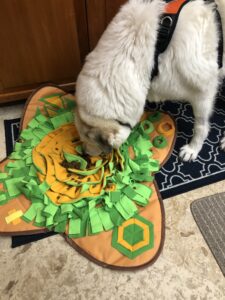 Sniff Walks and Snuffle Mats: Scent-based enrichment is particularly effective for dogs as their sense of smell remains strong into old age, and sniff walks— where the focus is on exploring scents rather than covering distance—can be incredibly enriching. Scatter feeding, where treats are hidden around the house or yard, allows dogs to use their noses to search for food, engaging their natural instincts and providing mental stimulation. A snuffle mat can be used indoors to provide similar enrichment by hiding treats for them to find.
Sensory Gardens: Cats also enjoy a good sniff! Creating a small sensory garden with cat-safe plants like catnip or silver vine can offer olfactory stimulation. Indoors, rotating different textured toys and blankets can help keep their environment engaging.
Emotional Enrichment: This final type of enrichment should not be ignored. Dogs and cats have rich emotional lives that should be nurtured.
Routine and Predictability: Maintaining a consistent routine helps reduce anxiety and confusion in pets with cognitive decline. Ensure that feeding times, walks, and play sessions occur at the same time each day.
Social Interaction: Regular interaction with familiar humans and pets helps maintain emotional health. Encourage gentle play or grooming sessions that provide comfort and reassurance.
Maximizing Quality of Life: Safety and Home Environment
 As pets age, their physical and mental needs change, requiring adjustments in their daily activities and living environment to ensure they continue to enjoy a high quality of life. Families can play a crucial role in optimizing their senior pet’s golden years by incorporating enriching activities, as previously discussed, and creating a safe and comfortable home environment.
Creating a Safe Home Environment
As pets get older, their mobility and sensory perception may decline, making it essential to adapt their living environment to ensure their safety and comfort.
Slip-Free Flooring
 One of the most common issues for senior pets is slipping on hard floors, which can lead to falls and injuries. Using nonslip rugs and yoga mats can help provide the traction they need to move around safely. In areas where mats or rugs are not practical, I recommend products like Dr. Buzby’s ToeGrips.
Harnesses
By far, my favorite harness to recommend to parents for dogs of all sizes and mobility issues is the Help ‘Em Up Harness. This harness is designed with multiple points of contact that evenly distribute weight, providing balanced support for dogs with mobility issues. Its padded chest and hip straps ensure comfort while lifting, preventing pressure points and discomfort. The harness also features soft, cushioned handles, making it easy for owners to assist their dogs up stairs, into cars, or simply around the house.
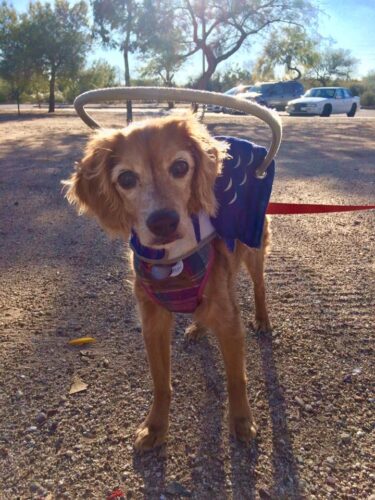
Enrichment activities help address common issues such as reduced mobility, anxiety, and boredom, all of which can impact a pet’s wellbeing as they age.
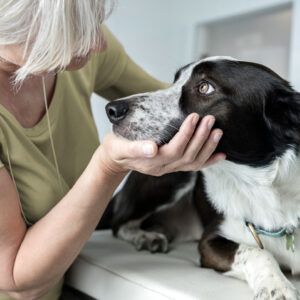 Accessible Furniture
Many senior pets have difficulty jumping onto furniture or climbing stairs. Installing ramps or pet stairs can help dogs and cats access their favorite resting spots without straining their joints. Ensuring that these ramps are stable and slip-resistant is crucial to preventing accidents.
Comfortable Sleeping Areas
Older pets often benefit from orthopedic beds that provide extra support for their joints. Heated beds can also be beneficial, especially for pets with arthritis, as they provide soothing warmth that can ease stiffness. Safe Access to the Outdoors For pets that enjoy spending time outside, ensuring their outdoor environment is safe is essential. This may involve securing fences, removing any obstacles that could cause tripping, and ensuring that the yard is free from hazards like toxic plants. For dogs that are no longer able to walk long distances, using a pet stroller and even a large garden cart for the bigger dogs allows them to enjoy the outdoors without overexerting themselves.
Easy Access to Food and Water
Senior pets may struggle to bend down to eat or drink, so elevating (and tilting) their food and water bowls can help reduce strain on their neck and back.
Embracing the Joys of Senior Pets: Guidance and Support for Pet Owners Senior pets bring a unique and profound joy to their families. Their calm demeanor, their deep bonds, and the wisdom they’ve gained over the years make them cherished companions. However, caring for an aging pet comes with its own set of challenges. As veterinarians, it’s important to guide pet owners in embracing these golden years while also being mindful of the potential for caregiver burden. Here’s how you can help clients navigate the joys and challenges of senior pet ownership.
The Unique Joys of Senior Pets
Senior pets often have a gentle, affectionate nature that reflects the strong bond they’ve developed with their owners over the years. Their companionship is steady , and they often provide a sense of comfort and routine. Reminding clients of these special qualities can help them appreciate the time they have with their aging pets. Encourage them to focus on the positive aspects, such as the pet’s loyalty, their calm presence, and the shared history that deepens the bond between them.
General Advice for Senior Pet Owners
 Routine Veterinary Care: Emphasize the importance of regular veterinary visits to monitor the health of senior pets. Early detection of age-related issues can significantly improve their quality of life. Suggest biannual checkups and recommend preventive measures like dental care, arthritis management, and weight control. But be sure to always ask owners what symptoms they are struggling with most. Knowing that will go a long way toward helping them manage their aging pet and creating a good bond with your clients.
Cognitive and Physical Enrichment: Advise clients to keep their senior pets mentally and physically active through enrichment activities tailored to their abilities, as discussed earlier.
Creating a Safe Home Environment: Encourage owners to make small adjustments at home to accommodate their pet’s changing needs. A safe and comfortable environment helps reduce stress and prevent accidents, contributing to a higher quality of life.
Addressing Caregiver Burden
Caring for a senior pet can be emotionally and physically demanding, leading to what is known as caregiver burden. Pet owners may feel overwhelmed by the responsibilities, especially when managing chronic illnesses or cognitive decline.
Acknowledge the Challenges: Encourage clients to be honest about the challenges they face. Recognizing the stress and fatigue associated with caregiving is the first step in managing it effectively. It’s important for owners to understand that feeling overwhelmed is normal and that help is available.
Offer Support Resources: Provide resources that can help alleviate caregiver burden. This could include recommending local pet sitters or respite care services that can give owners a break. Additionally, suggest online support groups or counseling services where they can share their experiences and receive emotional support. A great website with more tools is www.petcaregiverburden.com. 
Encourage Self-Care: Remind clients that taking care of themselves is crucial to providing the best care for their pets. Encourage them to set aside time for activities they enjoy and to seek help when needed. Simple actions like establishing a daily routine, setting realistic goals, and seeking assistance can make a significant difference in reducing caregiver stress.
Connecting Owners to Resources
Veterinarians can play a key role in connecting pet owners to valuable resources. Recommend books, websites, and tools that provide guidance on senior pet care. For example, my two books, It’s Never Long Enough for dog owners and Nine Lives are Not Enough for cat owners offer comprehensive advice on caring for senior pets, from practical tips on daily care to strategies for maintaining the human-animal bond during the senior years.
Additionally, direct clients to credible online sources, such as educational websites or forums, where they can learn more about caring for senior pets and connect with other pet owners facing similar challenges. Senior pets bring immeasurable joy to their families, but caring for them requires understanding, patience, and support.
By providing practical advice, acknowledging the potential for caregiver burden, and connecting owners with resources, veterinarians can help ensure that these golden years are as fulfilling and happy as possible for both pets and their families. Encourage clients to cherish the time they have with their senior pets, focusing on the unique bond they share while also taking steps to manage the challenges that come with aging.
Photo credits: Collection via Getty Images Plus; IPGGutenbergUKLtd/iStock via Getty Images Plus; courtesy of Mary Gardner
Further Reading
2023 AAHA Senior Care Guidelines, aaha.org/senior-care
Gardner, M. (2023). It’s Never Long Enough: A Practical Guide for Caring for Your Geriatric Dog. Rolled Toe Publishing.
Landsberg, G. M., Hunthausen, W., & Ackerman, L. (2012). Canine and Feline Behavioral Medicine: A Guide for Practitioners (2nd ed.). Saunders Elsevier.
