Clinical
5 Questions for a Fish Practice Specialist
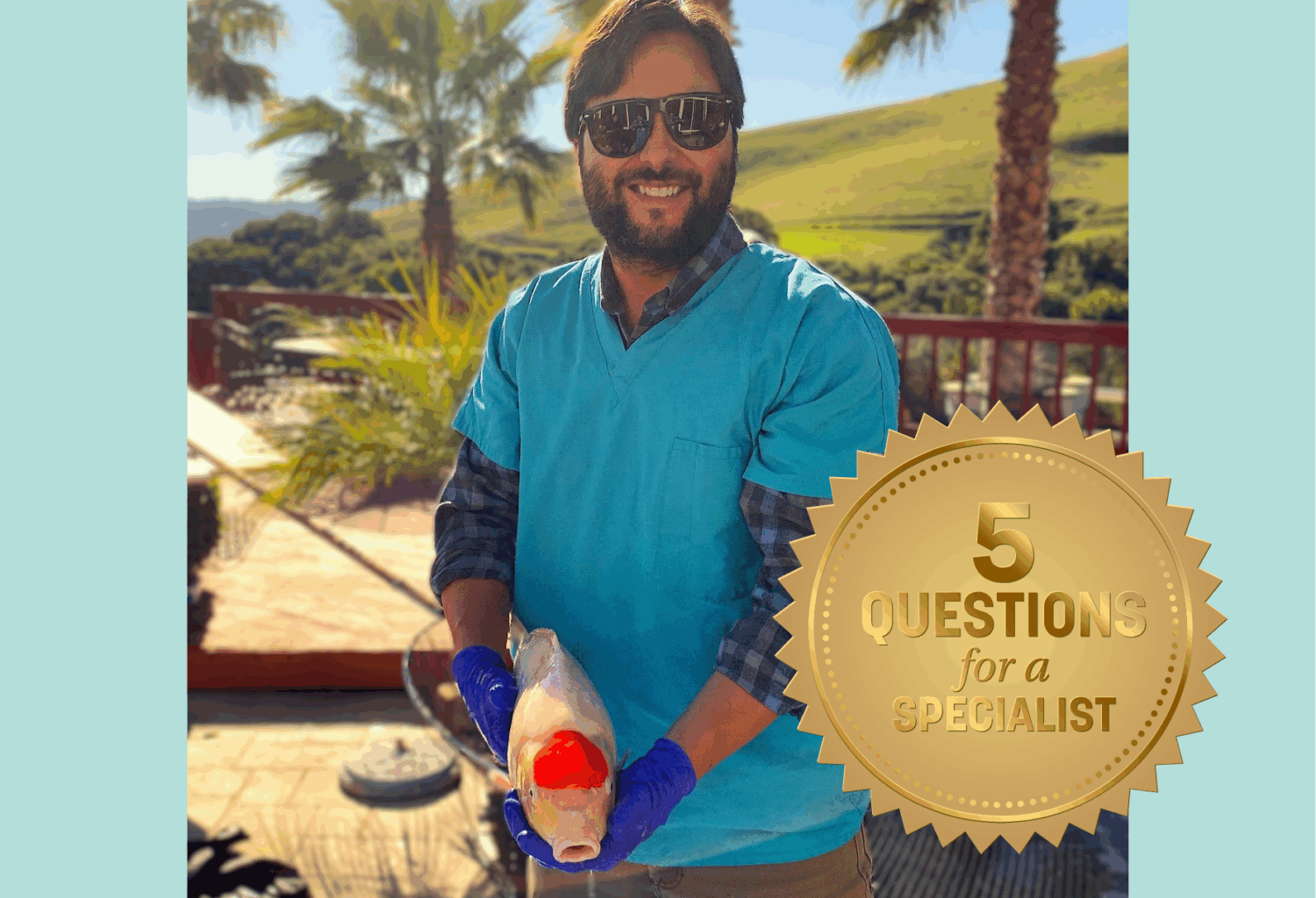
Esteban Soto, MSc, DVM, PhD, DACVM, DABVP (Fish Practice), CertAqV, professor of Aquatic Animal Health in the Department of Medicine & Epidemiology at UC Davis School of Veterinary Medicine answers the five questions.
Advertisement
The Specialty(ies):

American Board of Veterinary Practitioners (ABVP) Fish Practice Diplomates work in private practice as well as industry, government and academia. Diplomates are expected to have the expertise to serve as consultants for the aquaculture industry and be skilled in the art and science of medicine and surgery for the individual fish in addition to herd health, production, and economics.

The American College of Veterinary Microbiologists (ACVM) is the veterinary specialty organization recognized by the AVMA for certification of veterinarians with special expertise in microbiology. Veterinary Microbiology includes the fields of bacteriology, mycology, immuno-serology, virology, and parasitology as they apply to veterinary medical science.
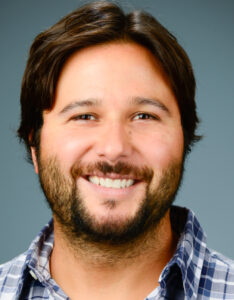
The Specialist: Esteban Soto, MSc, DVM, PhD, DACVM, DABVP (Fish Practice), CertAqV, is professor of Aquatic Animal Health in the Department of Medicine & Epidemiology at UC Davis School of Veterinary Medicine. Soto is actually a triple specialist, with two subspecialties from the ACVM (Bacteriology/Mycology and Immunology), and a fish practice specialty from the ABVP. His main research interests are to understand the pathogenesis of important infectious diseases of wild and aquatic animals, and to develop strategies to protect animals from these diseases.
1. What made you choose your specialty area?
I have always been fascinated with water and aquatic animals. Growing in Costa Rica, you are always playing close to the water (ocean, rivers, lakes), and since a very young age I knew I wanted to work with aquatic animals. My love/hate relationship with microorganisms really started in my last year of veterinary school at the Universidad Nacional de Costa Rica when we had to face an emerging disease that was affecting cultured tilapia.
This was a pivotal moment in my career, as I was able to see the devastation that a single pathogen brought to an entire industry. This event really pushed me into the world of microbiology and from there I fell in love with bacteria and the immune response that protects against them.
2. What is one thing you wish you could tell general practitioners regarding your specialty?
I would like to remind them that we as veterinarians are champions at “adaptability,” and just because we didn’t learn about fish or other aquatic animals in the veterinary curriculum, it doesn’t mean we lack the basis to have them as patients. At the end of the day, medicine is medicine. There are, of course, specialized tools and large volumes of knowledge that we have now within the specialty, but a small-, large-, or even better, mixed-animal practitioner could easily adapt their practice to see fish patients.
There are now different organizations that provide Continuing Education opportunities and even certifications and board-specialization that can help veterinarians progress within the sector.
3. What is one thing that would make your job (or the job in general) more satisfying?
Besides higher salary and more vacation, I would like to see greater recognition of the overall importance of aquatic life. We forget that most of the world is water and that fish are keystone species for many ecosystems. They are also a fantastic source of high quality protein for the growing human population, they are the third most common “pet” in most countries, and they have become one of the most commonly used animals in research.
However, many veterinary schools still don’t provide any form of educational opportunity around fish within the curriculum, there are only a few agencies providing funding opportunities, and we are decades away from where we are with other species in terms of welfare, therapeutics, and diagnostic capabilities. So, this really opens opportunities for the future!
4. What is the most rewarding part of being an aquatic species specialist?
The challenges we face every day. Every day there is something new, something different, and something challenging. There is always an opportunity to grow. Being able to share this excitement and these opportunities with veterinary students and House Officers1 is by far my favorite part of my job. Additionally, as a researcher, the “discovery potential” makes my job very exciting.
5. What advice would you give to someone considering your specialty?
Don’t be afraid of giving this a shot. The veterinary field is full of opportunities and this is not different for aquatic animals. More and more organizations and training opportunities (in-person and virtual) are becoming available, and even within other specialties (clinical/pathology/microbiology/toxicology/pharmacology/nutrition/welfare), fish medicine is making an impact. The sector and clientele are growing, and as such, it is an exciting time for veterinarians to also grow in the field.
5 Questions for a Specialist (5Q4) is a monthly micro-interview, where we ask five questions to a veterinary professional who has specialized in their field. The questions are (generally) the same each month, but the answers are always different and enlightening.
Photo of Dr. Soto and Tanto, courtesy of Esteban Soto
Disclaimer: Trends content is meant to inform, educate, and inspire by providing an array of diverse viewpoints. Any content published should not be viewed as an official stance, position, or endorsement by the American Animal Hospital Association (AAHA) or its Board of Directors.
Advertisement
Citations
- House officers refers to training positions at UC Davis School of Veterinary Medicine that include residents, interns and fellows.
