Culture and People
5 Questions for a VTS Emergency & Critical Care Specialist
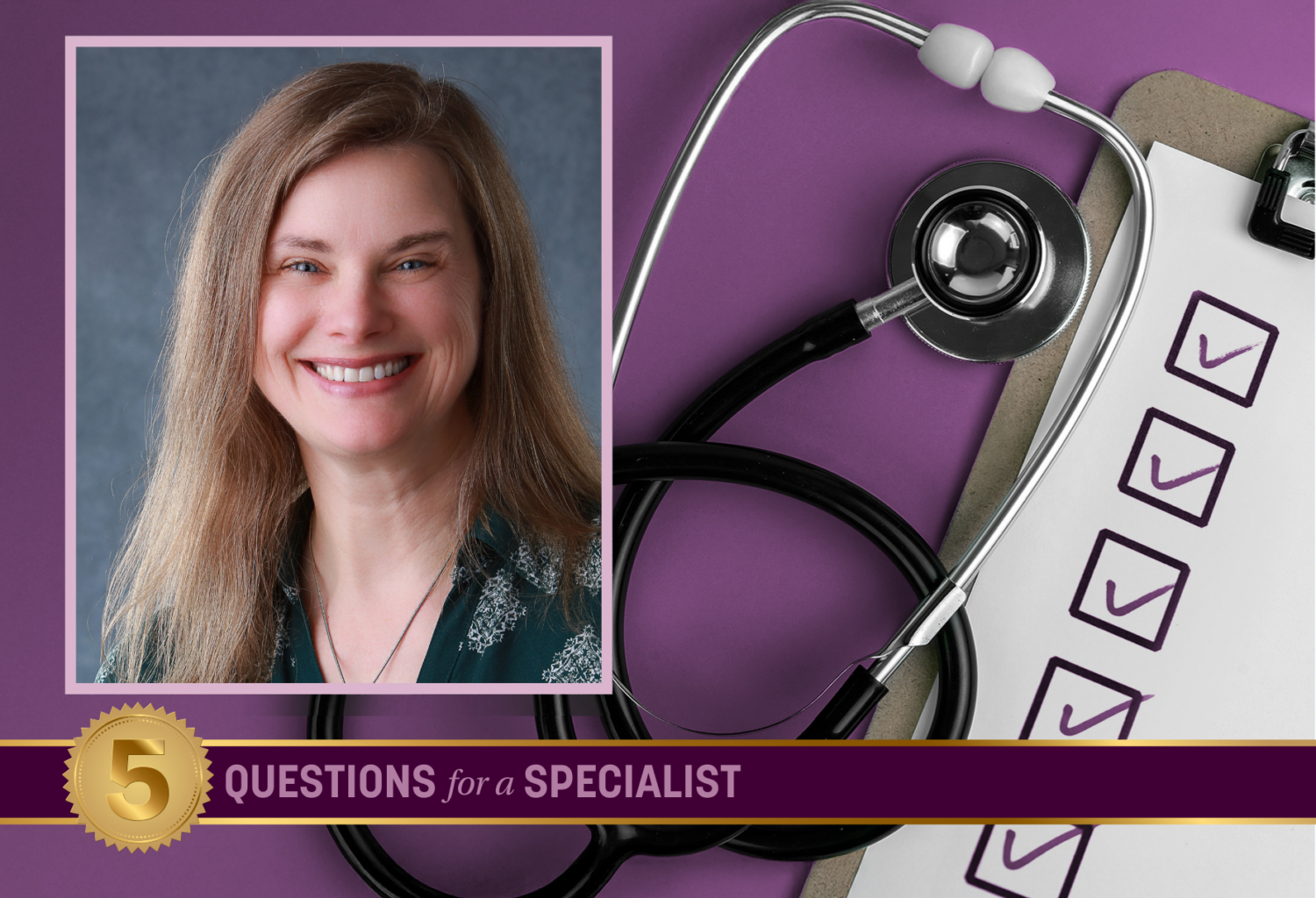
Erin Spencer MEd, CVT, VTS(ECC), founder of Brown Dog Veterinary Solutions, LLC, answers the 5 questions.
Advertisement
 The Veterinary Technician Specialty (VTS): The mission of the Academy of Veterinary Emergency & Critical Care Technicians and Nurses (AVECCTN) is: “To advance emergency and critical care veterinary nurses and technicians through certification and standards of excellence.”
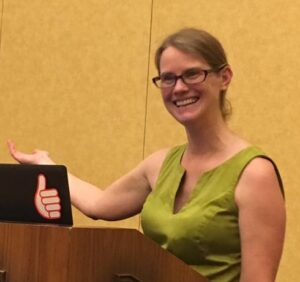 The Specialist: Erin Spencer MEd, CVT, VTS(ECC), is Immediate Past President of AVECCTN. She is founder of Brown Dog Veterinary Solutions, LLC, where she provides RECOVER certification training, anesthesia basics training, and team utilization consultation to veterinary practices. She has served on the board of directors of the Massachusetts Veterinary Technician Association, National Association of Veterinary Technicians in America, and PrideVMC. She is also the current nursing program chair for the VMX conference.
1. What made you choose your specialty area?
I had been working in emergency and critical care for almost a decade before I went for my VTS. I have always loved the pace of emergency and the challenge of high acuity cases and knew this was the specialty area for me. As I became more proficient with the hands-on skills, I started to find I wanted to learn more about the pathophysiology of the cases we would see. Somewhere along the way, I learned about the VTS process and decided this would help me further elevate my nursing skills and knowledge.
2. What is one thing you wish you could tell general practitioners regarding your specialty?
I think a lot of veterinarians understand what emergency medicine is as everyone sees an emergency here and there. What I think a lot of veterinarians don’t realize is the level of knowledge and skills a VTS(ECC) has to attain to earn that credential.
An experienced critical care technician or nurse can perform exams and evaluate patients at a high level and can be trusted to oversee a case as the veterinarian’s eyes/ears/brain, while the veterinarian is busy with other cases. Allowing your VTS to work to their fullest potential can have huge benefits for efficiency and patient monitoring.
3. What opportunities have opened up for you since pursuing your specialty?
I had started speaking at conferences before gaining my VTS but many more doors opened once I had obtained it. I feel having my VTS has allowed me opportunities to speak, write, teach, and act as a consultant for products and practices that I may not have had otherwise. I have also been able to serve as a board member for the AVECCTN.
Allowing your VTS to work to their fullest potential can have huge benefits for efficiency and patient monitoring.
4. What is the most rewarding part of being a diagnostic imaging VTS?
I think the most rewarding part of achieving my VTS was the realization that I did have advanced knowledge and skills. Sometimes we can be hardest on ourselves and receiving my letter of acceptance to AVECCTN was one time where I stopped and acknowledged all I had gained in my time in the field.
At this point, 15 years after that achievement, I find the most rewarding part being able to give back to the next generations of veterinary technicians, VTSs, and veterinarians. I spend so much of my time teaching and training and I love it! I also try to work to improve things for the next generations so they will have an easier path in the veterinary profession.
5. What advice would you give to someone considering your specialty?
For someone considering a move to emergency and/or critical care, I highly encourage it!
I’ve loved it for a couple of decades. That said, I would encourage them to evaluate what type of person they are. If they enjoy having a strict schedule and knowing, at least overall, what the day will bring, emergency may not be the place for them. If they like having the surprise of “what comes next” and don’t mind having their adrenaline a little raised most of the day, emergency is the place for you.
Even critical care brings its surprises through the day so someone taking a job in the ICU, where they have assigned patients, should still be prepared for a day more like the emergency floor than an appointment based service.
For someone considering pursuing their VTS, I would say, “Don’t rush it!”
A lot of people want to start the VTS process as soon as they are eligible and that is not enough time in the field in the vast majority of cases. Enjoy the process, continue to grow, and pursue the VTS when you feel you have the skills and knowledge already. If you have to scour textbooks for two years and are learning skills as you get them signed off for the application, you aren’t ready. The process is hard enough. Don’t make it harder by doing it too soon. AVECCTN will be there when you’re truly ready.
Photos courtesy of Erin Spencer
Disclaimer: Trends content is meant to inform, educate, and inspire by providing an array of diverse viewpoints. Any content published should not be viewed as an official stance, position, or endorsement by the American Animal Hospital Association (AAHA) or its Board of Directors.
