Clinical
5 Questions for a Zoological Medicine Specialist

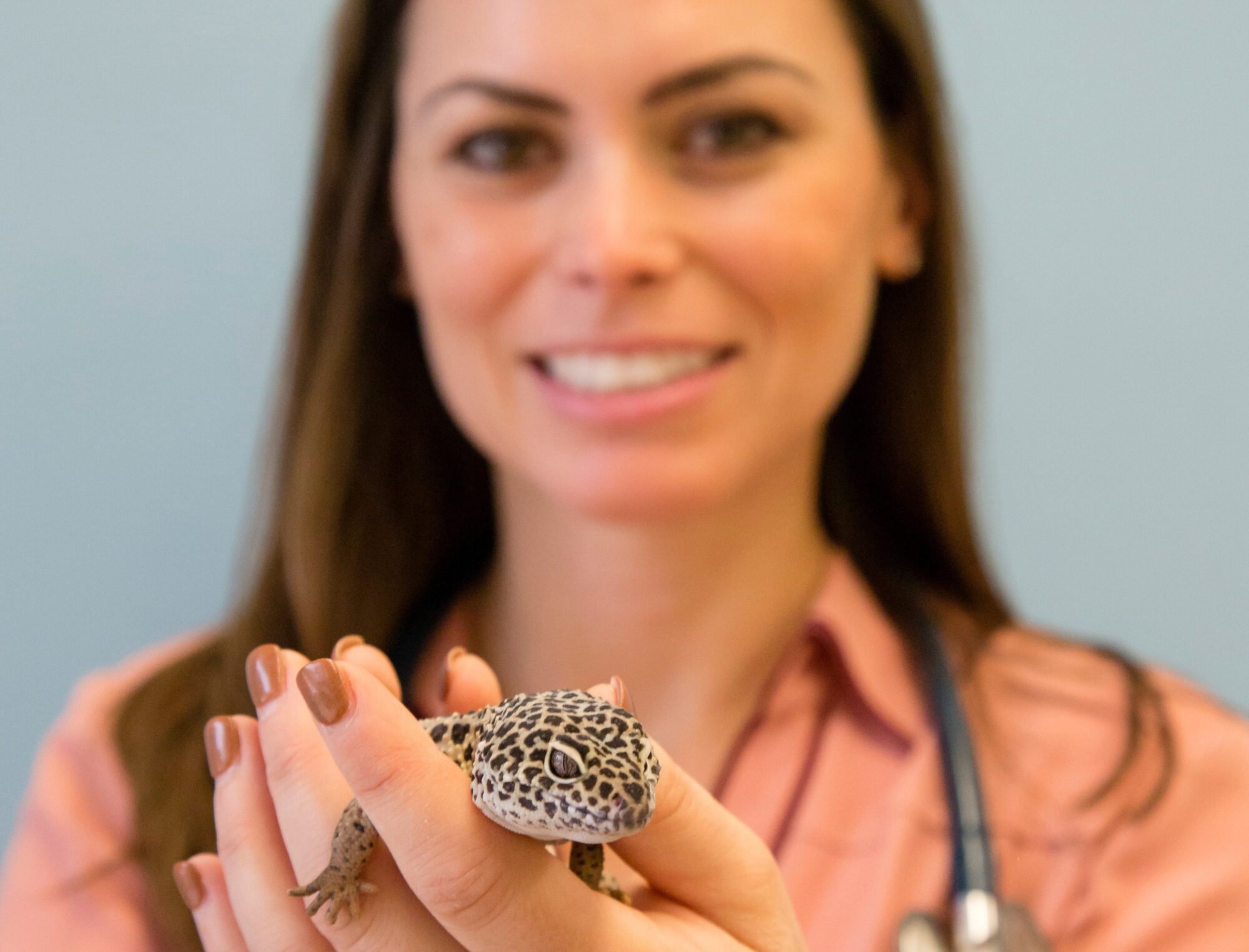
Zoological medicine specialist Krista A. Keller, DVM, DACZM, associate professor at UC Davis School of Veterinary Medicine, answers the five questions.
Advertisement
The Specialty: Practitioners who achieve board certification from the American College of Zoological Medicine gain specialized knowledge in clinical sciences, preventive medicine, and ecology to advance the health, wellbeing, and conservation of free-living and managed wildlife and non-traditional companion species.
The Specialist: Krista A. Keller, DVM, DACZM, (she/her) is associate professor of clinical zoological companion animal medicine and surgery in the department of Medicine and Epidemiology at University of California – Davis School of Veterinary Medicine.
1. What made you choose your specialty area?
Is it cheesy to say that Zoo Med chose me? In going to veterinary school, I knew I wanted to specialize but I wasn’t quite sure what to specialize in. I did my due diligence and joined all the clubs and did all the extracurricular activities to explore different specialties and this is the one that stuck. Honestly, I love the day-to-day challenge and the need to be a creative diagnostician for my patients!
2. What is one thing you wish you could tell general practitioners regarding your specialty?
As a board-certified specialist in zoological medicine that focuses most of my practice on companion zoological species (aka “exotics”), I want general practitioners to be empowered to see these species and still be able to practice high quality medicine. The basic tenets of diagnosis are the same, regardless of species: get a good history, do a comprehensive exam, and consider a minimum database and some imaging. While I’m happy to have a case referred to me for a workup that includes these diagnostics, they can and should be done at their practice! I don’t need to repeat what has already been done, and then I can do the specialist level diagnostics (PET scan, CT, MRI, endoscopy, etc.) at my hospital.
3. What is one thing that clients could do that would make your job (or the job in general) more satisfying?
Overall, I think the world would be a better place if everyone assumed positive intent, but that goes both ways. As a clinician, I try to always assume positive intent in my clients, and I hope that they assume the same in me. It’s easy to be frustrated as a clinician but lots of times, if we just remembered that our clients are human beings trying their best—same as us—things would go a lot more smoothly.
4. What is the most rewarding part of being a zoological specialist?
VARIETY! While I am a specialist, I’m really just specialized at being a generalist, given the diversity of species and conditions. While it can sometimes be challenging to navigate the mental gymnastics of jumping from a renal failure ferret to a cardiac dysfunction bearded dragon to a spinal neuropathy sun conure, I wouldn’t have it any other way.
5. What advice would you give to someone considering your specialty?
Most of my job is feeling comfortable in the sentiment of “I don’t know.” While I thrive in this grey zone, it’s not for everyone. Our entire industry understands the romanticization of veterinary medicine, but I’m not sure that everyone understands how romanticized my specialty is. Do I get to work with pretty awesome species? Yes, but it isn’t always easy or glamorous, and it’s just as hard every day as it is in other areas of our profession.
BONUS question: What are the most common preventable infectious diseases in exotic patients that you see?
That’s a hard one; while there are many awful reptile infectious agents (Nannizziopsis, Serpentovirus, Mycoplasma), most reptile infections come with the reptile when it is sourced. This makes it hard for veterinarians to promote prevention tactics and instead we are playing defense and trying to diagnose and treat these animals. There are a lot of common preventable nutritional diseases of reptiles, however. While hypocalcemia and metabolic bone disease have gotten a lot of attention historically, I rarely see clinical cases. However, I see several cases a week of hypovitaminosis A in insectivorous reptiles (chameleons and leopard geckos) and fiber deficiency in hindgut-fermenting tortoises who are fed low fiber greens and fruit instead of grass hays.
There are a few preventable diseases in mammals that I would like to highlight because they have safe and effective vaccines and thus, there is ABSOLUTELY no reason why animals should suffer from these infections. Canine distemper virus (CDV) in ferrets and rabbit hemorrhagic disease virus type 2 (RHDV2) in rabbits are both fatal but preventable diseases. We are so lucky to live in the modern world with preventative medicine opportunities, and it breaks my heart to have to euthanize a young ferret for CDV.
5 Questions for a Specialist (5Q4) is a monthly micro-interview, where we ask five questions to a veterinary professional who has specialized in their field. The questions are (generally) the same each month, but the answers are always different and enlightening.
Photo credit: Courtesy of Krista Keller
Disclaimer: Trends content is meant to inform, educate, and inspire by providing an array of diverse viewpoints. Any content published should not be viewed as an official stance, position, or endorsement by the American Animal Hospital Association (AAHA) or its Board of Directors.
