Culture and People
5 Questions for an avian and exotic specialist

Len Donato, VMD, DABVP (Avian Practice), is owner of Radnor Veterinary Hospital, in Wayne, Pennsylvania, where he treats dogs, cats, birds, reptiles, ferrets, rabbits, hedgehogs, sugar gliders, and other non-traditional pets. Donato is a member of the Association of Avian Veterinarians, and is lead veterinarian for the Zoologic and Exotic Companion Animal Service at the University of Pennsylvania School of Veterinary Medicine.
Advertisement
5 Questions for a Specialist (5Q4) is a monthly micro-interview, where we ask five questions to a veterinary professional who has specialized in their field. The questions are the same each month, but the answers are always different and enlightening.
This month, we spoke with Len Donato, VMD, DABVP (Avian Practice), owner of Radnor Veterinary Hospital, in Wayne, Pennsylvania. Donato is a member of the Association of Avian Veterinarians and is lead veterinarian for the Zoologic and Exotic Companion Animal Service at the University of Pennsylvania School of Veterinary Medicine (Penn Vet). He gives us a peek into the life of an avian and exotic specialist.
1. What made you choose your specialty area?
I originally only had interest in reptiles, dogs, and cats. In my second year of veterinary school, I got involved in the wildlife service at Penn Vet. That was my first exposure to birds, which started with pigeons. Since they all seemed to get better, I felt good working with birds. Then I worked with other species and eventually with raptors. That developed into a love for orthopedics and birds. A research project as a student on the anatomy of the long bones of birds led to the development of new techniques and subsequent lectures. After a lecture I gave at a national conference a couple of years after graduating, I was asked by a colleague if I had thought about becoming boarded in avian medicine. I answered, “Not until you just asked.”
2. What is one thing you wish you could tell general practitioners regarding your specialty?
The avian specialty is challenging because of the number of species and the many differences between them. All birds are not created equal. What we know and what we don’t know about each species—medically and surgically—adds to those challenges. That is what makes it fun for me!
3. What is one thing that clients could do that would make your job more satisfying?
I would love to see more owners visit for at least annual examinations and have their birds on a proper diet. A significant number of ill birds that I see have diet-related illnesses. Regular examinations present an opportunity to discuss diet and prevent many of these diseases.
4. What is the most rewarding part of your job?
I love working with clients or wildlife rehabilitators on very challenging cases. When we are a team on the same page, I know the bird will have the best care. I also love it when I see a raptor get released after recovering from orthopedic surgery and they fly into the distance until they disappear.
5. What advice would you give to someone considering your specialty?
Contact the American Board of Veterinary Practitioners (ABVP) and the American or European College of Zoological Medicine (ACZM or ECZM) to understand the requirements for certification. There are multiple paths to becoming certified. Identify which would be best for you and your goals. I became certified through private practice, but others have gone through internships and residencies. Also, start reading journal articles and make a regular schedule to do so. This will let you know what is current and can provide insight into methods and procedures you should be practicing. I would recommend becoming a member of the Association of Avian Veterinarians as they have an annual conference and access to cutting-edge journals and educational materials. Networking with avian colleagues was and still is one of the most rewarding parts of my specialty journey.
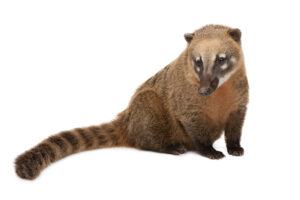
Bonus question! What is the most interesting/strange exotic patient you have treated as an avian and exotic specialist?
This is a tough question because I have treated all sorts of creatures from alligators to endangered birds to large cats. One of my favorites was a coatimundi owned by a professional wrestler. The background story alone was unique, and the patient added another level of intrigue for sure!
Photo credits: Courtesy of Len Donato, VMD; MediaProduction via E+ Getty Images
Disclaimer: Trends content is meant to inform, educate, and inspire by providing an array of diverse viewpoints. Any content published should not be viewed as an official stance, position, or endorsement by the American Animal Hospital Association (AAHA) or its Board of Directors.
