Finance
OPINION: Anesthesia’s role in minimizing the cost of veterinary care
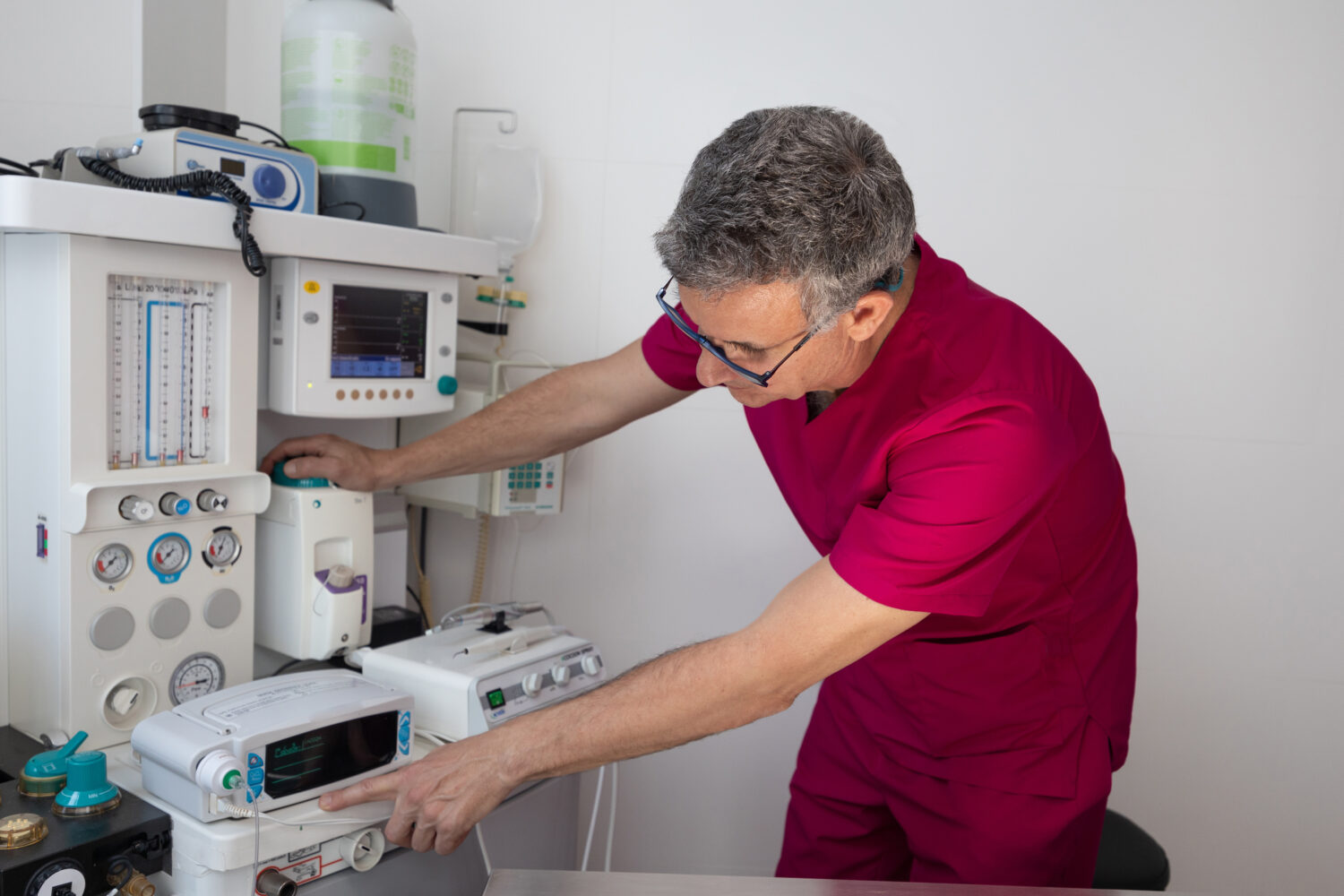
The rising cost of veterinary care presents different challenges, including financial strain on clients, reduced access to care, and moral dilemmas for veterinarians. Can anesthesia services be a way to control costs?
Advertisement
In early 2024, a series of news articles was published from a diverse range of national news organizations detailing the rising cost of veterinary medicine.1-3 Individually and collectively, these articles paint a bleak financial picture of both where veterinary medicine currently stands and where the industry is headed.
For example, the price of urban veterinary services rose by 7.9% over the last year; it has risen 11% over the last two years, and has increased by 60% over the last decade (significantly higher than the average consumer price index).1-3 In dollar figures, Americans spent an estimated $38 billion in 2023 on healthcare related services for companion animals alone (up from $29 billion in 2019).3
The cause of these rising costs is multifactorial and includes rising demand, wage inflation stemming from labor shortages 21 (both veterinarians and veterinary technicians), corporate consolidation, veterinarian pay structure/incentives, and increased cost of medication, supplies, and equipment.1-3
Veterinary hospitals have responded to these changes by increasing the price of their services. As a result, many owners have had to make difficult choices regarding their pet’s healthcare. In fact, a USA Today survey found that “91% of pet owners have endured some level of financial stress because of pet care costs.”1 Compounding this problem is that, unlike in human healthcare, most veterinary patients are not covered by health insurance.
Recent estimates suggest that 95-97% of owners have not purchased pet insurance.1,2 As a result, the price of veterinary care is an out-of-pocket expense for the vast majority of pet owners.
In 2021, the ASPCA estimated that the average annual cost of owning one dog was around $1,400 and around $1,100 for one cat.2 That equates to roughly $100 per month per animal. While that figure seems both reasonable and manageable, it does not include commonly encountered one-time costs such as adoption fees and spay/neuter fees.
More importantly, this figure does not account for the cost of service if these animals become sick. Depending on the severity of the illness, the required diagnostics, and the required procedures, veterinary sick visits can range from $500 to thousands of dollars.1-3 In an extreme case, one patient at the author’s institution left the hospital after a three-week stay with a final bill totaling slightly more than $51,000.

Learn about financial metrics with Peter Weinstein at AAHA Con 2025!
In short, an unexpected veterinary bill can and frequently does pose a significant problem for many pet owners. On the one hand, many owners view their pets as members of the family. On the other hand, many owners do not possess the financial means to afford these rising costs. This dichotomy forces pet owners to make difficult choices including: creating payment plans, taking on debt, dipping into retirement savings, fundraising/crowdsourcing, relinquishing their pet, or opting for economic euthanasia.
As a veterinary professional, the author is becoming increasingly uncomfortable with the rising cost of veterinary care. If left unchecked, the current system could make it difficult for low- and middle-income families to afford pet ownership.
Since the cause of rising veterinary care is multifactorial, it follows that the solution will be as well. Without a doubt, a broadly effective solution will need to address the major contributing factors mentioned previously, and bringing about such a change can seem daunting. However, it is the author’s firm belief that practical, everyday decisions made by veterinary teams can help to minimize these rising costs. The remainder of this article will outline how the subfield of anesthesiology can contribute, in a small yet substantial way, to reducing the cost of veterinary care.
Potential cost saving measures (Anesthesiology)
- Utilize perioperative anxiolytics like gabapentin and trazodone prior to veterinary visits. These medications can be sent home at the time of consultation or administered by mouth when the patient is admitted to the hospital. The medications themselves are inexpensive and can reduce the need for injectable sedatives and analgesics.5,6
- Oral medication, which is less expensive to purchase and administer, should be utilized whenever possible/appropriate (e.g. maropitant, carprofen, robenacoxib, meloxicam, antibiotics, etc).
- Administer perioperative antibiotics when medically indicated rather than as a matter of routine. Many patients do not benefit from prophylactic antibiotics use, namely those that are low anesthetic risk, and are undergoing short (< 90 minutes), clean procedures without hardware implantation.7
- Utilize mechanical ventilation on an as-needed basis rather than as a matter of routine. Many hospitals bill the client when a mechanical ventilator is used in order to cover the cost of the equipment. This consideration has the added benefit of improving patient safety since mechanical ventilation is associated with increased risk of barotrauma,8 increased risk of cardiovascular depression,9 and increased risk of morbidity and mortality.10
- Utilize manual constant rate infusions (CRI) whenever appropriate. Many hospitals bill the client when intravenous syringe pumps are utilized. In certain instances, anesthetists can manually deliver these intraoperative adjunct medications. These so-called manual CRIs can be an effective and practical alternative to traditional CRIs (which require additional cost, materials, and preparation time). Some common options are discussed below:
- Ketamine: Draw up 1 mg/kg of ketamine in a 1 cc syringe. Dilute that syringe with saline to a final volume of 1 mL. Administer 0.5 mg/kg of ketamine (0.5 mL of this dilute ketamine) at the time of induction. Titrate the remaining contents of the syringe (0.5 mg/kg, 0.5 mL of dilute ketamine) over the next hour (targeting a dose of 0.5 mg/kg/hr).
- Dexmedetomidine: Draw up 1 mcg/kg of dexmedetomidine in a 1 cc syringe. Dilute that syringe with saline to a final volume of 1 mL. Administer 0.1 mcg/kg (0.1 mL of this dilute dexmedetomidine) every five minutes (targeting a dose of approximately 1 mcg/kg/hr).
- Systemic lidocaine (for canine patients only; this dose may not be appropriate for feline patients): Draw up 3 mg/kg of lidocaine in an appropriately sized syringe. Administer 1 mg/kg of lidocaine IV slowly prior to the start of noxious stimuli. Administer an additional 1 mg/kg of lidocaine IV slowly every 20 minutes thereafter (targeting a dose of 3 mg/kg/hr).
- Utilize less expensive opioids, like hydromorphone, whenever possible/appropriate.
- Utilize local anesthetics whenever possible. The incorporation of locoregional modalities (e.g. incisional blocks, dental blocks, nerve blocks, and epidurals) can reduce the overall cost of care by decreasing perioperative drug requirements and by shortening hospital stays.11,12 While liposomal bupivacaine (Nocita) is a valuable medication, traditional local anesthetics like lidocaine and bupivacaine, which are significantly less expensive, can be equally effective in certain cases.13-19
- The vast majority of veterinary hospitals utilize isoflurane or sevoflurane for the maintenance of general anesthesia. In most instances, isoflurane is an appropriate choice and is significantly cheaper.
- Discharge patients as soon as it is medically appropriate to do so. Many procedures, even invasive surgeries, can be safely performed on an outpatient basis. The utilization of multimodal analgesic plans (e.g. those that incorporate locoregional modalities, NSAIDs, opioids, alpha 2 agonists, and ketamine) can greatly reduce the duration of postoperative hospitalization. In fact, there has been recent interest in the creation and utilization of strategies that lead to enhanced recoveries after surgery (ERAS).20
- Create perioperative analgesia/anesthetic bundles instead of charging clients for individual medications. The utilization of such bundles encourages clinicians to create multimodal protocols as the incorporation of multiple drugs does not result in higher client costs.
Table 1: Selected medical costs associated with a 30 kg patient undergoing a TPLO surgery at the author’s institution before and after the implementation of the aforementioned cost saving measures.
| Price before change | Price after change | Savings | |
|---|---|---|---|
| Maropitant (Injectable vs Oral) | $128 (price of injectable maropitant 1 mg/kg) | $22 (price of oral maropitant 2 mg/kg) | $106 |
| Medication Administration Fee (Injectable vs Oral) | $50 (average price of administering an injectable medication) | $15 (average price of administering an oral medication) | $35 |
| Mechanical Ventilation (routine vs as needed use) | $148 (routine use of a mechanical ventilator) | $0 (cost of allowing patient to spontaneously respire) | $148 |
| CRIs (syringe pump vs manual) | $86 (use of a syringe pump + microbore extension line) | $0 (cost of administering manual CRIs) | $86 |
| Full mu opioid agonists (hydromorphone vs methadone) | $52 (price of methadone 0.2 mg/kg) | $15 (price of hydromorphone 0.05 mg/kg) | $37 |
| Local anesthetics (Nocita 13.3 mg/mL vs Bupivacaine 5 mg/mL) | $235 (10 mL of Nocita) | $39 (10 mL of bupivacaine) | $196 |
| Gas Inhalants (Sevoflurane vs Isoflurane) | $250 (hospital cost of a 250 mL bottle of sevoflurane) | $25 (hospital cost of a 250 mL bottle of isoflurane) | $225 |
| Hospitalization (Inpatient vs Outpatient) | $400/night (average price of overnight hospitalization for a stable patient) | $0 (cost of overnight hospitalization for outpatient surgery patient) | $400 |
| Anesthesia/Analgesia Bundles (Individual vs Group Injections) | $520 (sum of individual injections utilized in the perioperative period) | $400 (flat fee charged for all injections utilized in the perioperative period) | $120 |
| Total Potential Savings | $1,353 |
While the aforementioned considerations will not single-handedly resolve the issue of rising veterinary costs, such measures can result in modest reductions in patient invoices without jeopardizing standards of care (see Table 1) .
More importantly, this article might serve as inspiration for other veterinary professionals who can identify and take advantage of similar cost-saving measures in their respective practices and fields of specialty.
By minimizing the cost of veterinary care, the author hopes that pet ownership will continue to be affordable for all, and that veterinary professionals will feel proud to provide reasonably priced veterinary services to their patients and clients.
Community Care Guidelines tips
 The rising cost of veterinary care affects everyone. The 2024 AAHA Community Care Guidelines for Small Animal Practice delves into the financial challenges faced by clients and practices.
The guidelines advise that training multiple team members to have financial conversations with clients can benefit both clients and practice staff alike. Benefits of these financial conversations include:
Improved customer experience. Clients benefit from consistent access to someone who can help them navigate the financial aspects of veterinary care. This support can be especially important for clients who are feeling overwhelmed or stressed about the cost of care.
Destigmatization. Providing multiple staff members who are comfortable talking about money creates a more open and welcoming environment. Clients may be more empowered to discuss their f inancial concerns without feeling like it is an embarrassing secret only discussed with certain people.
Increased client satisfaction. Clients appreciate open and honest conversations about the cost of care. When they feel heard and understood, they are more likely to be satisfied with the care received.
Improved financial outcomes. When clients know their financial options, they are more likely to make informed decisions about their pet’s care. This can lead to better financial outcomes for both the client and the clinic.
Reduced stress. Talking about finances can be stressful for both clients and staff. By training multiple staff members in financial conversations, the clinic creates a more supportive environment for everyone involved, and no single person must bear the stress alone.
References
- Ortiz, Jorge L. “A Big Pet Peeve: Soaring Costs of Vet Care Bite into Owners’ Budgets.” USA Today, Gannett Satellite Information Network, 17 Apr. 2024, www.usatoday.com/story/news/nation/2024/04/16/vet-pet-care-cost-rising/73098326007/.
- Thomas, Katie. “Why You’re Paying Your Veterinarian So Much.” New York Times, 23 Jun. 2024, www.nytimes.com/2024/06/23/health/pets-veterinary-bills.html. Accessed 31 Aug. 2024.
- Olen, Helaine. “Why Your Vet Bill Is So High.” The Atlantic, 25 May 2024, www.theatlantic.com/ideas/archive/2024/04/vet-private-equity-industry/678180/. Accessed 31 Aug. 2024.
- “Cutting Pet Care Costs.” ASPCA, 1 Jan. 2021, www.aspca.org/pet-care/general-pet-care/cutting-pet-care-costs. Accessed 31 Aug. 2024.
- Peng PW, Wijeysundera DN, Li CC. Use of gabapentin for perioperative pain control — a meta-analysis. Pain Res Manag. 2007 Summer;12(2):85-92. doi: 10.1155/2007/840572. PMID: 17505569; PMCID: PMC2670715.
- Gruen ME, Roe SC, Griffith E, Hamilton A, Sherman BL. Use of trazodone to facilitate postsurgical confinement in dogs. J Am Vet Med Assoc. 2014 Aug 1;245(3):296-301. doi: 10.2460/javma.245.3.296. PMID: 25029308; PMCID: PMC4414248.
- Findjii, Laurent. Antibiotics in Surgical Patients. Clinicians Brief, 1 May 2014, www.cliniciansbrief.com/article/antibiotics-surgical-patients. Accessed 31 Aug. 2024.
- Silva PL, Scharffenberg M, Rocco PRM. Understanding the mechanisms of ventilator-induced lung injury using animal models. Intensive Care Med Exp. 2023 Nov 27;11(1):82. doi: 10.1186/s40635-023-00569-5. PMID: 38010595; PMCID: PMC10682329.
- Vieillard-Baron A, Matthay M, Teboul JL, Bein T, Schultz M, Magder S, Marini JJ. Experts’ opinion on management of hemodynamics in ARDS patients: focus on the effects of mechanical ventilation. Intensive Care Med. 2016 May;42(5):739-749. doi: 10.1007/s00134-016-4326-3. Epub 2016 Apr 1. PMID: 27038480.
- Redondo JI, Martínez-Taboada F, Viscasillas J, Doménech L, Marti-Scharfhausen R, Hernández-Magaña EZ, Otero PE. Anaesthetic mortality in cats: A worldwide analysis and risk assessment. Vet Rec. 2024 Jul 6;195(1):e4147. doi: 10.1002/vetr.4147. Epub 2024 Jul 3. PMID: 38959210.
- Grubb T, Lobprise H. Local and regional anaesthesia in dogs and cats: Overview of concepts and drugs (Part 1). Vet Med Sci. 2020 May;6(2):209-217. doi: 10.1002/vms3.219. Epub 2020 Jan 21. PMID: 31965742; PMCID: PMC7196681.
- Paul S, Strelchik A, O’Day J, Guedes AGP, Gordon-Evans WJ. Comparison of bupivacaine liposome injectable solution and fentanyl for postoperative analgesia in dogs undergoing limb amputation. Veterinary Surgery. 2024; 53(6): 1102-1110. doi:10.1111/vsu.14080
- Opgenorth TA, Bentley E, Smith LJ, Bartholomew KJ, Lasarev MR. Comparison of preoperative retrobulbar bupivacaine and postoperative subcutaneous liposome-encapsulated bupivacaine on postoperative analgesia in dogs undergoing enucleation. J Am Vet Med Assoc. 2024 Feb 9;262(6):778-784. doi: 10.2460/javma.23.11.0629. PMID: 38335720.
- Hixon LP, Wallace ML, Appleton-Walth K, Shetler S, Aiello JS, Durocher E, Cook C, Grimes JA, Sutherland BJ, Schmiedt CW. Bupivacaine liposomal injectable suspension does not provide improved pain control in dogs undergoing abdominal surgery. J Am Vet Med Assoc. 2023 Oct 6;262(2):1-9. doi: 10.2460/javma.23.05.0271. PMID: 38241783.
- Kendall MC, Castro Alves LJ, De Oliveira G Jr. Liposome Bupivacaine Compared to Plain Local Anesthetics to Reduce Postsurgical Pain: An Updated Meta-Analysis of Randomized Controlled Trials. Pain Res Treat. 2018 Jul 15;2018:5710169. doi: 10.1155/2018/5710169. PMID: 30112203; PMCID: PMC6077608.
- Hussain N, Speer J, Abdallah FW. Analgesic Effectiveness of Liposomal Bupivacaine versus Plain Local Anesthetics for Abdominal Fascial Plane Blocks: A Systematic Review and Meta-analysis of Randomized Trials. Anesthesiology. 2024 May 1;140(5):906-919. doi: 10.1097/ALN.0000000000004932. PMID: 38592360.
- Hussain N, Brull R, Sheehy B, Essandoh MK, Stahl DL, Weaver TE, Abdallah FW. Perineural Liposomal Bupivacaine Is Not Superior to Nonliposomal Bupivacaine for Peripheral Nerve Block Analgesia. Anesthesiology. 2021 Feb 1;134(2):147-164. doi: 10.1097/ALN.0000000000003651. PMID: 33372953.
- Hamilton TW, Athanassoglou V, Trivella M, Strickland LH, Mellon S, Murray D, Pandit HG. Liposomal bupivacaine peripheral nerve block for the management of postoperative pain. Cochrane Database Syst Rev. 2016 Aug 25;2016(8):CD011476. doi: 10.1002/14651858.CD011476.pub2. PMID: 27558150; PMCID: PMC6457974.
- Gordon-Evans WJ, Suh HY, Guedes AG. Controlled, non-inferiority trial of bupivacaine liposome injectable suspension. J Feline Med Surg. 2020 Oct;22(10):916-921. doi: 10.1177/1098612X19892355. Epub 2019 Dec 13. PMID: 31833793; PMCID: PMC10814399.
- Campoy L. Development of Enhanced Recovery After Surgery (ERAS) protocols in veterinary medicine through a one-health approach: the role of anesthesia and locoregional techniques. J Am Vet Med Assoc. 2022 Sep 15;260(14):1751-1759. doi: 10.2460/javma.22.08.0354. PMID: 36108100.
- Neill CL, Salois M. The United States veterinary workforce dilemma: are we asking the right questions? J Am Vet Med Assoc. 2024 Sep 11:1-5. doi: 10.2460/javma.24.06.0365. Epub ahead of print. PMID: 39260408.
Photo credit: © javgutierrez + via Getty Images Plus
Disclaimer: Trends content is meant to inform, educate, and inspire by providing an array of diverse viewpoints. Any content published should not be viewed as an official stance, position, or endorsement by the American Animal Hospital Association (AAHA) or its Board of Directors.
