Clinical
Broken hearts mended? Rapamycin shows promise preventing feline HCM pathology
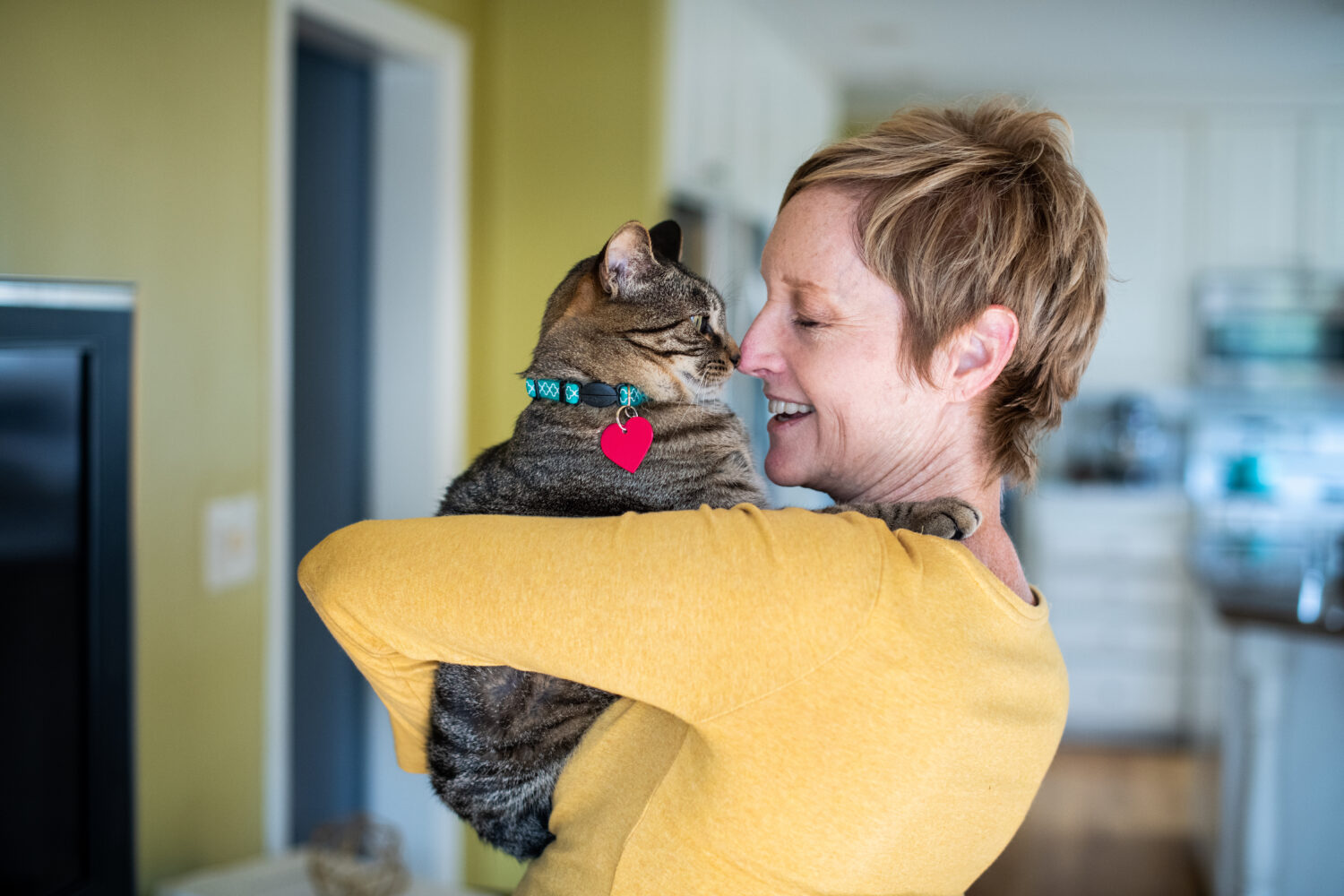
By now you may have learned about the anti-aging drug rapamycin and its success in preventing the cardiac muscle thickening characteristic of hypertrophic cardiomyopathy (HCM) in cats. FDA approval and a new study are paving the way toward making rapamycin the key to ending this heartbreaking disease.
Advertisement
Rapamycin, also known by the name sirolimus, is a naturally occurring compound that was discovered in 1972 and initially associated with antimicrobial properties. In subsequent years, rapamycin was found to also have immunosuppressant and anti-tumor effects due to its effect on cellular maintenance and survival.
Evidence has shown that dysregulation of the cellular pathway, named mTOR (mammalian target of rapamycin), is linked to many disease states including cancer, insulin-resistance, and aging among others.
Research led by Joshua Stern, DVM, PhD, DACVIM (Cardiology), associate dean at North Carolina State University, showed that rapamycin given to cats diagnosed with HCM slows down and may even reverse the hypertrophy caused by the disease. The formulation of rapamycin used in the study is known commercially as felicyn-CA1.
Stern’s study
The study was so convincing that last month the U.S. Food and Drug Administration (FDA) granted conditional approval of felycin-CA1 (sirolimus delayed-release tablets) for use in cats with subclinical HCM.
This is a significant breakthrough in feline medicine for many pet owners and veterinarians who have lost pets and patients to this disease. HCM, which is one of the most common causes of death in cats, often lurks quietly inside the cat with minimal to no symptoms, until the cat experiences excruciating blood clots, congestive heart failure, or sudden death.
Even if the patient was diagnosed before clinical signs appeared, there was little to be done besides watch and hope the disease didn’t claim the life of a beloved pet. Now, that could all change.
Stern is now leading another study called “HALT,” which will be a clinical field study including hundreds of cats. Stern and his team hope that this study will prove definitively that rapamycin can stop HCM.
When Courtney Smith, DVM, MS, DACVIM (Cardiology), a veterinary cardiologist based in Los Angeles with CVCA: Cardiac Care for Pets, heard about the HALT study, she was interested in participating as a clinician.
“I have a background in research, so I enjoy the opportunity to help and learn new things,” Smith said. “Currently, we are very reactive rather than proactive with HCM treatment, and this is always the tough part when discussing echocardiogram results.”
Smith said she feels hopeful that sirolimus is being studied so extensively that there may finally be research-backed evidence for treating HCM.

Even if the patient was diagnosed with HCM before clinical signs appeared, there was little to be done besides watch and hope the disease didn’t claim the life of a beloved pet. Now, that could all change.
Hope for a preventive solution
Veterinarians are very good at recommending preventive care in order to avert the consequences of disease. That’s why diagnosing a disease like HCM is so discouraging.
Until now, there has been no way to prevent the hypertrophied cardiac walls characteristic of HCM. Having no option to prevent an often fatal and unpredictable disease has left countless owners and veterinarians heartbroken at the thought (and sometimes reality) that their beloved feline may die suddenly.
The FDA’s March 14 conditional approval of felicyn-CA1 could definitely help avoid some of those tragic outcomes. However, for veterinarians in general practice, the drug should not be prescribed for just any cat with a murmur. The indications are specific and label requirements are expected to be narrow.
Smith noted that the drug may not be a panacea, and the study data is still being generated.
“We don’t have any long-term follow-up to truly know what effect rapamycin will have on disease outcomes,” Smith said.
The HALT study is still enrolling cats and the main criterion for participation is an elevated proBNP, or echocardiographically documented subclinical HCM. General practitioners can easily test for proBNP, the cardiac enzyme associated with increased stretch on the myocardium. If elevated, vets can discuss the benefits of echocardiograms with their clients, including the possibility of using the new treatment option (once it becomes available), or even enrolling in the study, should HCM be diagnosed.
Veterinarians looking to get their patients enrolled can register directly on the HALT study website or find a study site in their state. Inclusion and exclusion criteria can be found on the site.
Participating cats will be followed for one year with all required exams and medications provided.
According to the manufacturer of felicyn-CA1, Ireland-based TriviumVet, the drug could be available to veterinarians as early as summer 2025.
