Clinical
Can dog companionship influence cancer survival in humans?
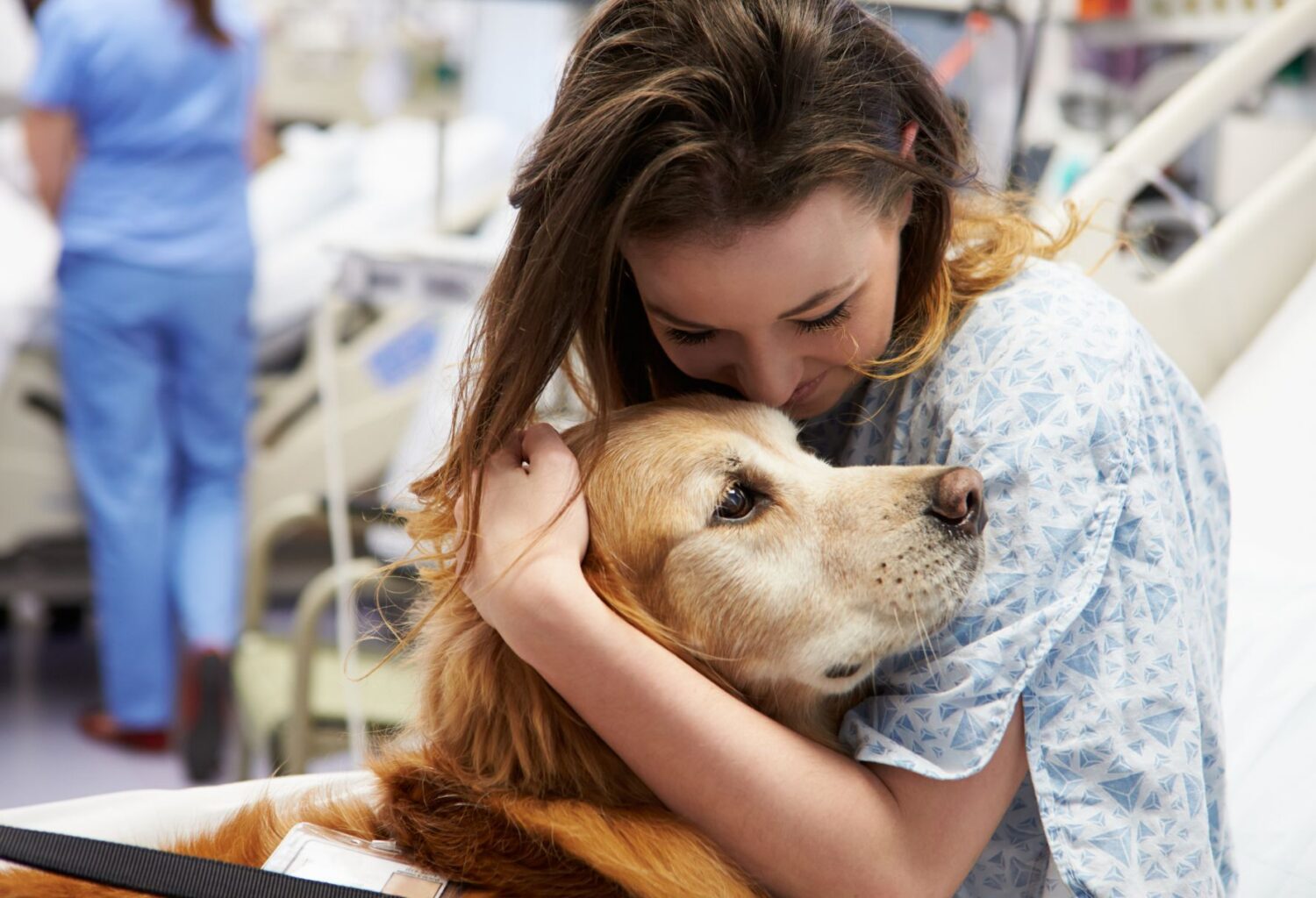
The benefits of animal-assisted therapy to human cancer patients have been widely observed anecdotally, but it’s been harder to demonstrate whether those interactions translate into measurable clinical outcomes. Now, a new study may be confirming that link.
Advertisement
Conversations about the human–animal bond in oncology tend to focus on dogs as therapy. Animal-assisted therapy (AAT) in cancer care uses trained dogs to provide comfort and reduce stress. Dogs can make hospital rooms and medical procedures less frightening.
These benefits have been widely observed anecdotally, described frequently, and are supported by a growing body of evidence exploring their psychological impact. What has been harder to demonstrate is whether those interactions translate into measurable clinical outcomes.
A recently published large-scale epidemiological study, published in Scientific Reports, suggests they might.
Examining the link between dog contact and cancer outcomes
Researchers analyzed data from an international health records database, comparing tens of thousands of human cancer patients with documented dog contact to those without. After matching the groups by age and sex, just over 27,000 patients remained in each group, resulting in a study population of more than 55,000.
There was a notable difference between the two groups. Nearly 95% of patients with dog contact were alive five years after diagnosis, compared with 87% of those without.
The authors are careful in their interpretation, however. Because the study looks back at existing records rather than testing a controlled intervention, it cannot establish cause and effect.
Still, as the largest matched study of its kind, it offers evidence that contact with dogs may be linked to better survival in cancer patients.
How dog contact might influence outcomes
The authors suggest several possible explanations for why dog contact might improve survival.
The most obvious is exercise. Even light physical activity, such as a daily dog walk, is associated with improved outcomes and tolerance of treatment in cancer patients. Studies of cancer survivors suggest that many people with dogs may walk more regularly than those who do not and they are more likely to meet basic physical activity guidelines. Having a dog appears to get people moving in ways that matter.
The psychological benefits of dog companionship are another likely factor. Loneliness, depression, and social isolation are all associated with worse cancer outcomes, and all three are areas where dog companionship has shown measurable benefit. The routine and emotional support that comes with caring for an animal may also help patients stay engaged with their treatment over what can be a long and difficult process.
Research also suggests that because people who live with dogs share some microbial exposures with their pets, they may carry higher levels of some beneficial bacteria as a result. Since the immune system and inflammation both play roles in cancer progression, these microbial differences could be relevant, though the authors explain that this remains speculative and needs proper investigation.
What these findings do and don’t tell us
This was a large and retrospective study, so there will be some limitations.
The researchers were analyzing data that had already been collected, so they could only identify associations; they could not claim they were actual causes. While the age and sex of participants were carefully matched between the two groups, other factors that affect cancer outcomes—such as the stage at diagnosis, the type of treatment received, individual socioeconomic backgrounds, and lifestyle—were not fully represented in the available records.
Dog exposure was identified through a standardized medical code in patient records, rather than through direct reporting by patients themselves.
This approach was useful across a large population, but it could not distinguish between ongoing contact with a dog and more incidental interactions, nor did it identify how frequently patients interacted with dogs or the nature of those relationships. It is also possible that some patients who had been categorized as unexposed had, in fact, had contact with dogs, but there was no record.
Additionally, the dataset primarily included hospitalized patients, which may differ in important ways from outpatient oncology populations. Participants tended to be older adults, leaving open questions about whether there would be similar outcomes with younger or pediatric patients.
None of these factors change the association highlighted by the research, but they reinforce the need for further research that can more precisely measure dog companionship and examine how it may affect cancer outcomes over time.
What the wider research shows
These findings do not emerge in isolation. A 2020 systematic literature review in Integrative Cancer Therapies analyzed 32 studies and found that structured time with therapy animals, mostly dogs, resulted in measurable improvements in oxygen saturation, mood and depression, as well as in how patients felt about their care and their quality of life.
What patients feel and experience matters.
One survey, published in the Journal of Cancer Education, of 309 tertiary care oncology patients found that 45% of pet parents reported feeling healthier because of their animal, while 48% said their pet helped them manage the stress of diagnosis. Across the studies reviewed, perceived patient satisfaction emerged as the most consistently supported outcome.
The research points to a clear pattern. While physical measures may have been inconsistent, the emotional and psychological benefits of interacting with animals are well established. This new study takes that a step further, linking dog contact to actual survival.
What this means for veterinarians
This kind of research reflects what veterinarians are already observing in practice. The relationship between people and their animals is not just emotional; it also affects how people cope with illness, maintain routines, and stay engaged with their own care.
Veterinarians frequently work with clients who are navigating their own serious illness. Doing so may require asking questions about the realities of keeping companion animals during treatment, managing infection risk, and maintaining routines. Population-level data demonstrating that there is a possible survival association reinforces the importance of balanced guidance that supports continued human–animal interaction wherever possible.
Having data that supports the value of maintaining the health and stability of companion animals in households facing medical crises adds weight to the role veterinarians already play in helping sustain those relationships. When pets are well cared for, they are more likely to provide the kind of companionship that may be at the root of the benefits observed in this research.
Interpreting the findings
The survival difference reported in the new study is significant, but it requires cautious interpretation. Observational data can demonstrate underlying differences between groups without proving actual causation. Other factors are also important to consider. Patients who are healthy enough to care for a dog, remain active, or who live in stable housing, for example, may already have better cancer prognosis.
The authors acknowledge this possibility, noting that patients who are seriously ill might have less contact with dogs because they are frail or there may be restrictions due to treatment. Socioeconomic differences, the level of caregiving support, and individual lifestyles may also influence access to dog companionship and also to survival.
The findings are best taken as a starting point rather than a conclusion. Although they suggest that contact between humans and dogs may be associated with better cancer survival outcomes, much more research will be needed before it can be claimed with confidence that access to a dog influences a patient’s prognosis.
The One Health perspective—and the vet team’s role
The benefits in human health from animal companionship which include physical activity, social engagement, and emotional support also depend on the animal’s own health and welfare.
These findings align naturally with the One Health framework, which recognizes the interconnectedness of human and animal wellbeing. The benefits to human health from animal companionship, which include physical activity, social engagement, and emotional support, cannot truly be segmented from the animal’s own health and welfare.
AAHA’s One Health Guidelines
The 2025 AAHA One Health Guidelines: Navigating Cross-Disciplinary Partnerships provides veterinary teams with the tools they need to incorporate a family-centered approach in One Health cases of all kinds.
With this in mind, the research does reveal a gap. In the 2020 systematic review in Integrative Cancer Therapies referenced earlier, only four of the 32 studies looked at how the animals were affected.
The fact that such a small percentage of these studies consider the animal’s health and wellbeing matters, not only from an ethical standpoint, but also because a stressed, fatigued, or unwell animal cannot reliably deliver what these studies are measuring, and yet the animal’s experience has largely been excluded, or, at best, an afterthought in this research.
This is where veterinarians have a role that goes beyond the consulting room. No other profession is better placed to read the early signs that a dog is struggling. There may be subtle shifts in behavior, or physical indicators of stress or fatigue that pet parents may simply not notice. If dogs are contributing to cancer patient outcomes, whether in hospitals or at home, then their health and welfare is part of the same picture.
This is One Health in practice. The benefits available to the patient depend on the wellbeing of the animal providing it. Supporting one means paying attention to the other, and veterinarians are uniquely positioned to make sure that is not overlooked.
The conversation must continue
Even with those caveats, this study is part of a growing body of research examining companion animals as active contributors to human health. Previous work has linked dogs to reduced cardiovascular risk, better survival after major cardiac events, and measurable improvements in loneliness and mental health. Cancer is where this research has been slowest to develop, which is why these findings are so important.
The study does not suggest prescribing dogs as treatment, nor does it imply that dog contact alters cancer biology directly. What it points to is that human contact with dogs may shape long-term outcomes in ways medicine is only beginning to quantify.
Veterinarians support animal health, advise on safe interaction during illness, and understand the depth of the human–animal bond. Through this, the work that they do extends into human wellbeing.
Whether future research confirms a causal link remains to be seen. But the evidence is building that the bond between people and their dogs reaches further into health outcomes than previously understood and that understanding it fully will require input from both human and veterinary medicine.
Photo credit: monkeybusinessimages/iStock via Getty Images Plus
Disclaimer: Trends™ content is meant to inform, educate, and inspire by providing an array of diverse viewpoints. Any content published should not be viewed as an official stance, position, or endorsement by the American Animal Hospital Association (AAHA) or its Board of Directors.
