Clinical
Cancer care pearls for general practitioners
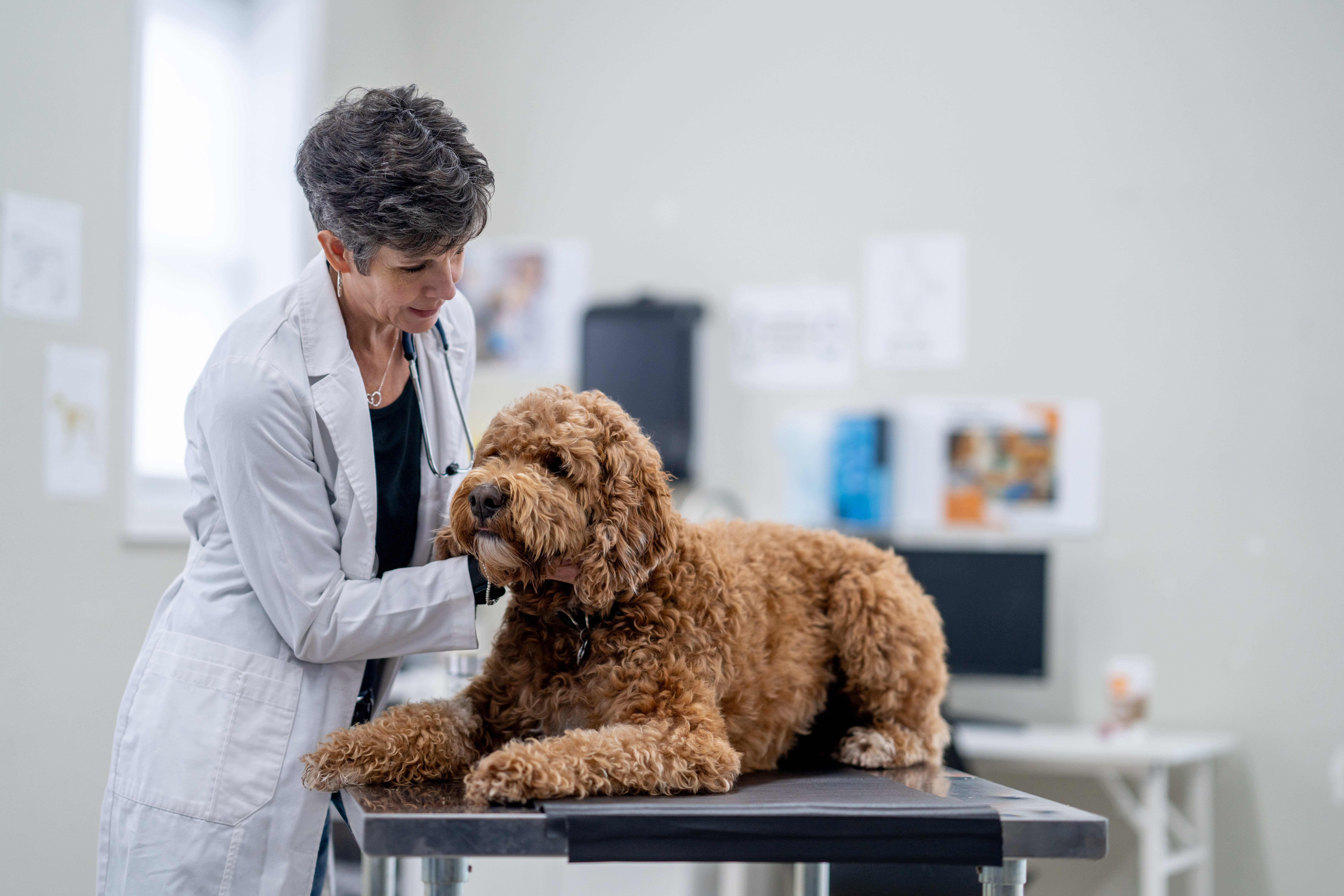
Whether or not a veterinary oncologist is involved, there are many ways in which general practice veterinary teams continue to be an essential part of their patient’s cancer care. Here’s what one oncologist wants you to know about cancer care in general practice.
Advertisement
Seeing the challenges pet owners can face when deciding to access oncological care for their pets is something Rachel Venable, DVM, MS, DACVIM (Oncology), owner of Pet Cancer Care Consulting, is familiar with. From a long wait for an appointment, to even longer drives to see a veterinary oncologist, and even hesitation to pursue referral due to concerns about cost or the intensive care required.
Whatever the obstacle, clients whose pets are diagnosed with cancer will, in many cases, have questions that their veterinary team may not feel completely comfortable answering. Their pet may also need care from their veterinary team instead of or in addition to oncology referral. This is where Venable’s role comes in. She works remotely with everyone from veterinary oncologists to general practitioners, and clients to help facilitate the best care possible for pets.
But what does she consider to be the most important advice for general practice (GP) veterinary teams who treat and support pets with cancer before, during, and in some cases instead of oncology referral?
It starts with diagnosis
Cytology and biopsy tips
“I think a lot of vets underutilize doing aspirates and cytology,” Venable said, pointing out that it is an easy, relatively non-invasive way to potentially gain a lot of information and in some cases a diagnosis. “When in doubt, just aspirate.”
While very helpful, cytology doesn’t always give the answer, though. Venable listed some scenarios in which biopsy may be preferrable or necessary to get a diagnosis and other important information. These include when a mass doesn’t exfoliate on aspiration and when grading is needed to formulate a treatment plan.
For instances where an incisional biopsy is conducted, Venable has some pointers. First, to avoid seeding normal-looking skin with neoplastic cells, don’t include normal skin in incisional biopsies. Also, try not to biopsy necrotic areas or areas that look like just fat. “Try to find more solid tissue,” she said, even if that means picking another location to make an incision or sampling tissue deeper to a layer of fat.
Special stains
General practitioners are often the ones to make the initial cancer diagnosis and then relay the results to the pet owner. In some cases, the pathology report will provide a clear answer on the type of cancer identified and no additional diagnostic information is needed. In other cases, the report may recommend performing special stains. While every pathologist is different in terms of how often they recommend special stains, Venable said she has seen an increase in the frequency of stains being recommended by some pathologists, which can leave veterinary teams and pet owners with questions about the value of these additional diagnostics.
With the extra expense associated with these stains, it can be hard to know how to advise the client. Are they worth doing? Will they add helpful information to the pet’s treatment plan? To a certain extent, Venable explained, the answers to these questions will depend on what the client is likely to do with this additional information once they have it. If advanced treatment such as chemotherapy, radiation, and/or surgery are not on the table for consideration, the results of additional stains may not provide any actionable information to the client.
For scenarios in which further treatment is being considered, Venable provided some helpful criteria for deciding if special stains are worth considering. The first situation in which she said special stains can be very helpful is when the pathologist can’t differentiate between multiple different types of neoplasia that may have different prognoses and require different treatment protocols. If a pathology report lists a diagnosis of round cell tumor, for example, but can’t differentiate between cancers such as lymphoma, mast cell tumor, and other differentials, a special stain can be very helpful.
The other scenario which Venable recommends special stains is for a grade II mast cell tumor with what she calls a “nebulous” mitotic figure count. “There’s this gray zone with mast cell tumors between four and seven [mitotic figures per high power field] that it’s really hard to know how these are going to behave,” she said. For tumors in this category, the results of special staining might mean the difference between recommending chemotherapy and monitoring the pet for any new tumors.
Genetic testing
Genetic testing has taken off in veterinary medicine as a way to determine everything from breed makeup, coat color, and risk of certain diseases in companion animals. But in some instances, genetic testing can also be used to identify mutations in samples from tumors to determine which chemotherapy drugs might work best.
Venable said this technology is still in its early stages in veterinary medicine and more data is needed to correlate specific mutations in animal tumors with the drugs that are almost always human drugs used in an extra-label fashion in animal species. However, she said this type of testing may have a place for pets diagnosed with very rare or aggressive cancers, cancers with not many known effective therapies, and for pet owners who want to go “above and beyond” in the treatment of their pet’s cancer.
Treatment with or without referral
Beyond just prednisone
While many cancer treatment options such as parenteral chemotherapy, radiation treatment, and some surgical procedures are often referred to specialists, Venable noted that there are multiple treatment options that are feasible for use in general practice for clients who want more than just prednisone and supportive care but without a referral.
For dogs with lymphoma, general practitioners may consider Laverdia-CA1 (verdinexor tablets, Dechra), a drug conditionally approved for the treatment of this cancer. While this drug is not as efficacious as either multi-agent or single-agent chemotherapy protocols, it is easy to administer, is associated with “minimal side effects” according to Venable, and can help some affected dogs live longer than they might with prednisone alone. “The whole goal with Laverdia-CA1,” she said, is to have “an option you can do in private practice.”
Venable said this drug doesn’t necessarily replace prednisone entirely, but it may allow veterinarians to prescribe a lower dose of prednisone and reduce the risk of side effects associated with typical lymphoma prednisone doses. Her rule of thumb is that if dogs are already acting sick, she will start both medications. If they are still acting like they are feeling pretty well at the time of diagnosis, she’s more likely to start with Laverdia-CA1 alone and then add prednisone on if other clinical signs appear.
Palladia is another oral medication that can be prescribed by general practitioners for the treatment of cancers such as mast cell tumors or carcinomas. Venable describes it as a “targeted” therapy that is a “reasonable” option for pets whose owners don’t wish to pursue full chemotherapy.
Another GP-based treatment option is metronomic chemotherapy, or low-dose chemotherapy using oral medications such as chlorambucil or cyclophosphamide. Venable clarified that their efficacy is generally not as great as that of injectable higher dose chemotherapy, but for some cancers (such as bladder tumors), they can be a “really good” option.
Venable mentioned that there are some newer human drugs like lapatinib and tremetinib that show promise for the treatment of some cancers in other countries. They are not yet commercially available for use in animals in the United States (or at least not at a reasonable cost). She said that in addition to a need for the drugs to be more readily accessible and affordable, there is still a lot to be learned about how to use these drugs in animals.
Managing complications
Whether pets are receiving care from an oncologist or not, there is still a good chance that their GP veterinary team will continue to be involved in their ongoing care. This may include monitoring and managing side effects associated with chemotherapy drugs and making decisions about whether it is safe to prescribe additional drugs pets may need while they are receiving their chemotherapy treatment.
Venable classifies the most common side effects associated with chemotherapy into three categories: bone marrow toxicity, alopecia, and gastrointestinal side effects. Alopecia is the most benign of these three categories, but still one to prepare clients for and help reassure them through if they notice it. This is particularly important now with the popularity of poodles and poodle mixes, since these are the breeds at risk for chemotherapy-related alopecia.
“Poodles and some of the doodles, those are the ones that are going to lose their fur,” she said, referring to their continuous fur growth that gets interrupted by some chemotherapy drugs. While this complication is purely cosmetic, Venable said it’s good to be prepared for the worried client’s call when they notice their dog’s fur falling out in clumps so that the veterinary team can respond with empathy and reassurance.
Since bone marrow toxicity is often the most serious risk to a chemotherapy patient’s health, Venable outlined some criteria for determining how to respond. For pets with a neutrophil count lower than one thousand cells per microliter, she recommended starting antibiotics. If they also have a fever, Venable said they should probably by hospitalized. “If they’re just low neutrophils and they feel really punky,” she said, “usually 24 hours on fluids and IV antibiotics and they bounce right back.” Even if the GP team feels comfortable managing this case, it is still generally a good idea to call the oncologist (if one is involved) and give them a heads up.
Beyond that, the type of treatment needed and whether the pet should stay with the GP veterinary team or be referred elsewhere will depend on the specific complications present and how comfortable the GP team is with addressing them. Venable added that in cases where patients present with “crazy anemia” or “no platelets”, it’s more likely to disease-related than to be a complication of the chemotherapy.
While pets are navigating their cancer journey, they may develop comorbidities that the GP veterinary team needs to manage to support their quality of life. Venable advised that for pets who are receiving chemotherapy, GP teams should reach out to the oncologist on the case before starting additional immunosuppressive medications to reduce the risk of complications. This can include everything from corticosteroids to cyclosporine to JAK inhibitors like Apoquel. This doesn’t mean that these drugs can never be used in conjunction with chemotherapy. But having an informed discussion with both the oncologist and the client can help reduce the risk of complications (or at least prepare everyone so that they know what to watch for).
Oncologists and oncology referral are invaluable resources for pets, their owners, and veterinary teams, but referral won’t be an option for everyone. By providing options for care and client education with or without referral, GP veterinary teams can prioritize family-centered care where the best option is what works best for each pet and their family.
Further reading:
2016 AAHA Oncology Guidelines for Dogs and Cats
2024 AAHA Community Care Guidelines for Small Animal Practice
Photo credit: FatCamera/iStock via Getty Images
Disclaimer: Trends™ content is meant to inform, educate, and inspire by providing an array of diverse viewpoints. Any content published should not be viewed as an official stance, position, or endorsement by the American Animal Hospital Association (AAHA) or its Board of Directors.
