Clinical
Canine freeze-dried plasma available for veterinary use
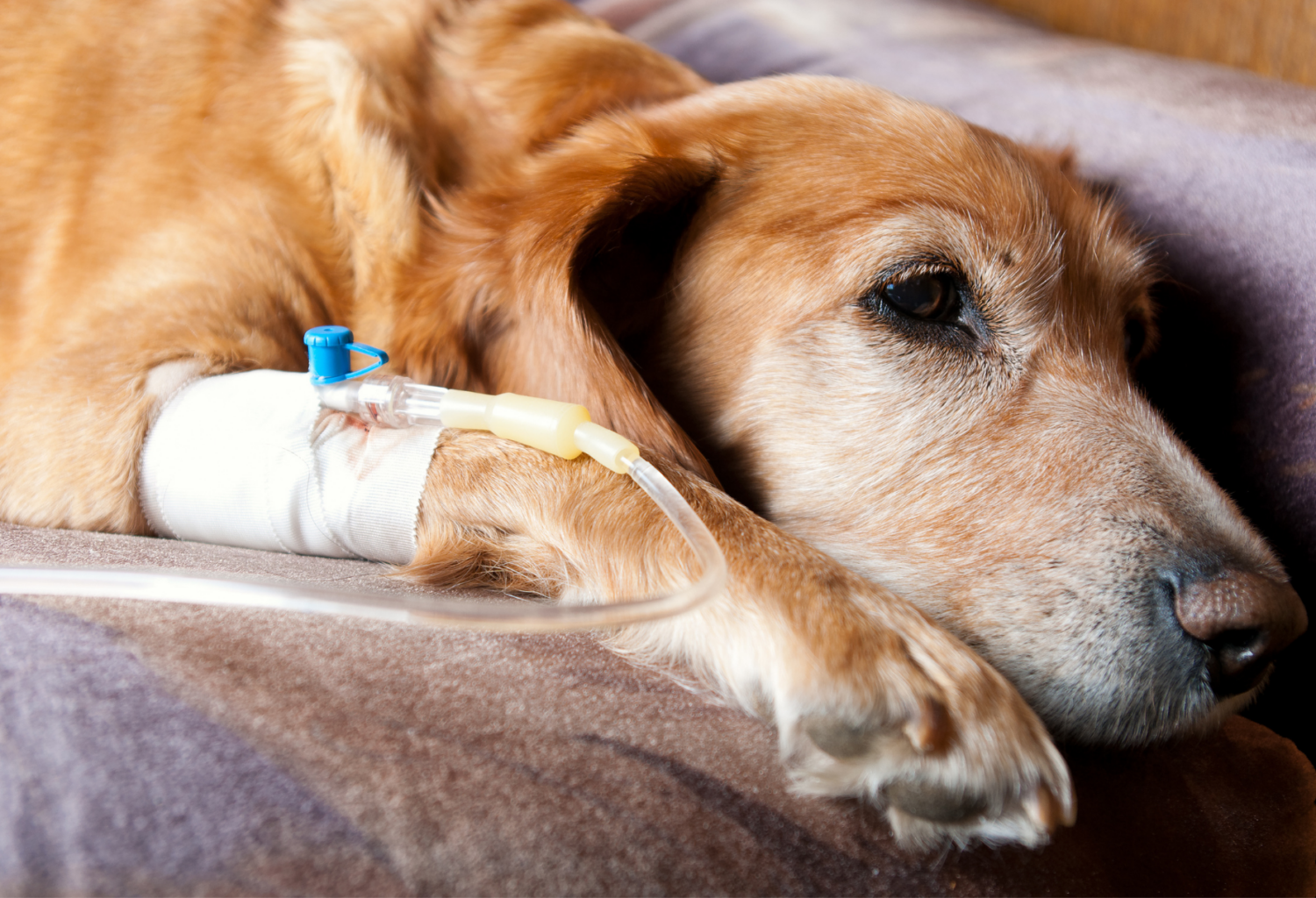
A new canine plasma product, canine freeze-dried plasma, is now available for use in dogs who need a plasma transfusion. Learn more about when to consider this product versus other plasma formulations, how to reconstitute and administer, and necessary precautions for use.
Advertisement
Veterinarians have a new tool available for use in plasma transfusions: canine freeze-dried plasma (cFDP).
The U.S. Food and Drug Administration (FDA) completed a risk review of Mantel Technologies’ cFDP in late 2025. Because the product is similar to existing plasma products and no safety concerns were identified, cFDP is now available for purchase in the United States. It is not approved or conditionally approved, but it can be used off label under the supervision of a veterinarian.
What is freeze-dried plasma?
Freeze-dried plasma is intended to be used as a substitute for fresh frozen plasma (FFP).
According to Meghan Respess DVM, DACVECC, and National Director of Blood Banking for BluePearl Specialty and Emergency Pet Hospitals, plasma transfusions have historically been given primarily to patients with coagulopathies. “This includes congenital coagulopathies,” she said, “as well as anticoagulant rodenticide toxicity and other acquired coagulopathies associated with massive hemorrhage, liver failure, or disseminated intravascular coagulation.” In recent years, however, plasma has been increasingly used to provide oncotic support in critically ill patients. This is especially true given the limited availability of canine albumin and reduced use of synthetic colloids.
Canine freeze-dried plasma (cFDP) is created by freeze-drying, or lyophilizing, canine plasma into a powder. This process removes water while preserving clotting factors and plasma proteins.
In the case of Mantel’s cFDP, canine plasma is first obtained from community blood banks. Donors are screened according to blood bank guidelines, in accordance with FDA Guidance for Industry #254. Next, plasma units from multiple donors are pooled prior to freeze-drying. This reduces the impacts of individual variation, ensuring more consistent levels of clotting factors and other plasma proteins. Finally, pooled plasma is freeze-dried and packaged as individual units of cFDP.
Advantages of freeze-dried plasma
Fresh frozen plasma must be stored in a freezer, typically at -18 °C or colder. Additionally, according to Respess, “storage in a dedicated, medical-grade freezer is recommended.” Fresh frozen plasma retains its properties for one year. It can safely be used for up to five years (as frozen plasma), but clinically significant labile clotting factors are lost after one year of storage.
Plasma can also be stored in a liquid (refrigerated) state, but this limits the duration of storage to 28–32 days, making liquid plasma impractical for many veterinary practices.
In contrast to other forms of canine plasma, cFDP can be stored at room temperature (34–77 °F) for one year. This simplifies storage, especially in remote settings that may lack stable frozen storage.
Additionally, cFDP can be prepared for use quickly. While FFP typically takes 30–45 minutes to thaw before administration, cFDP can be reconstituted and prepared for administration in as few as three minutes. This can offer benefits in emergent situations where rapid access to plasma is needed.
“Handling and administration could be considered simpler with freeze-dried plasma,” said Mike Cushman, President and CEO of Mantel Technologies. Because cFDP does not require frozen storage or thawing, it is “particularly useful for any practitioners who do not maintain blood banks but may still encounter emergencies such as trauma, severe hemorrhage, rodenticide toxicity, or coagulopathies where plasma could aid stabilization before referral,” said Cushman.
Administration of freeze-dried plasma
Before administration, cFDP is reconstituted with 250 mL of sterile water. One reconstituted bag of cFDP is equivalent to 250 mL of canine FFP, and it functions similarly to FFP in the treatment of hemorrhagic shock.
Reconstituted cFDP is administered intravenously at a dose of 10–20 mL/kg body weight. The administration rate should not exceed 4–6 mL per minute.
Freeze-dried plasma can only be purchased with a veterinary prescription, and it must be administered under the direct or indirect supervision of a licensed veterinarian. Administration requires an accurate clinical diagnosis, as well as calculating the optimal transfusion volume and rate for a given patient’s condition.
Additionally, transfusions require close monitoring. While plasma transfusions reactions are typically mild and easily treated, they affected 4.5% of dogs in a recent study. “Early studies of cFDP suggested a higher rate of similar allergic reactions,” Respess said, “though additional large-scale clinical data are needed.”
Applications for freeze-dried plasma
Respess offered the following guidance to general practitioners: “If you practice in an area where anticoagulant rodenticide exposure or other conditions requiring rapid plasma administration are common—particularly when an emergency or specialty hospital is not nearby—keeping plasma on hand, whether cFDP, FFP, or even FP, may be lifesaving.”
Additionally, Respess emphasized the need to stock necessary supplies for plasma transfusions. Plasma administration requires a filter, so practices must ensure these filters are stocked and available for use when needed.
Photo credit: ibreakstock/istock via Getty Images
Disclaimer: Trends™ content is meant to inform, educate, and inspire by providing an array of diverse viewpoints. Any content published should not be viewed as an official stance, position, or endorsement by the American Animal Hospital Association (AAHA) or its Board of Directors.
