Clinical
Cases in Oklahoma highlight importance of rabies vaccinations
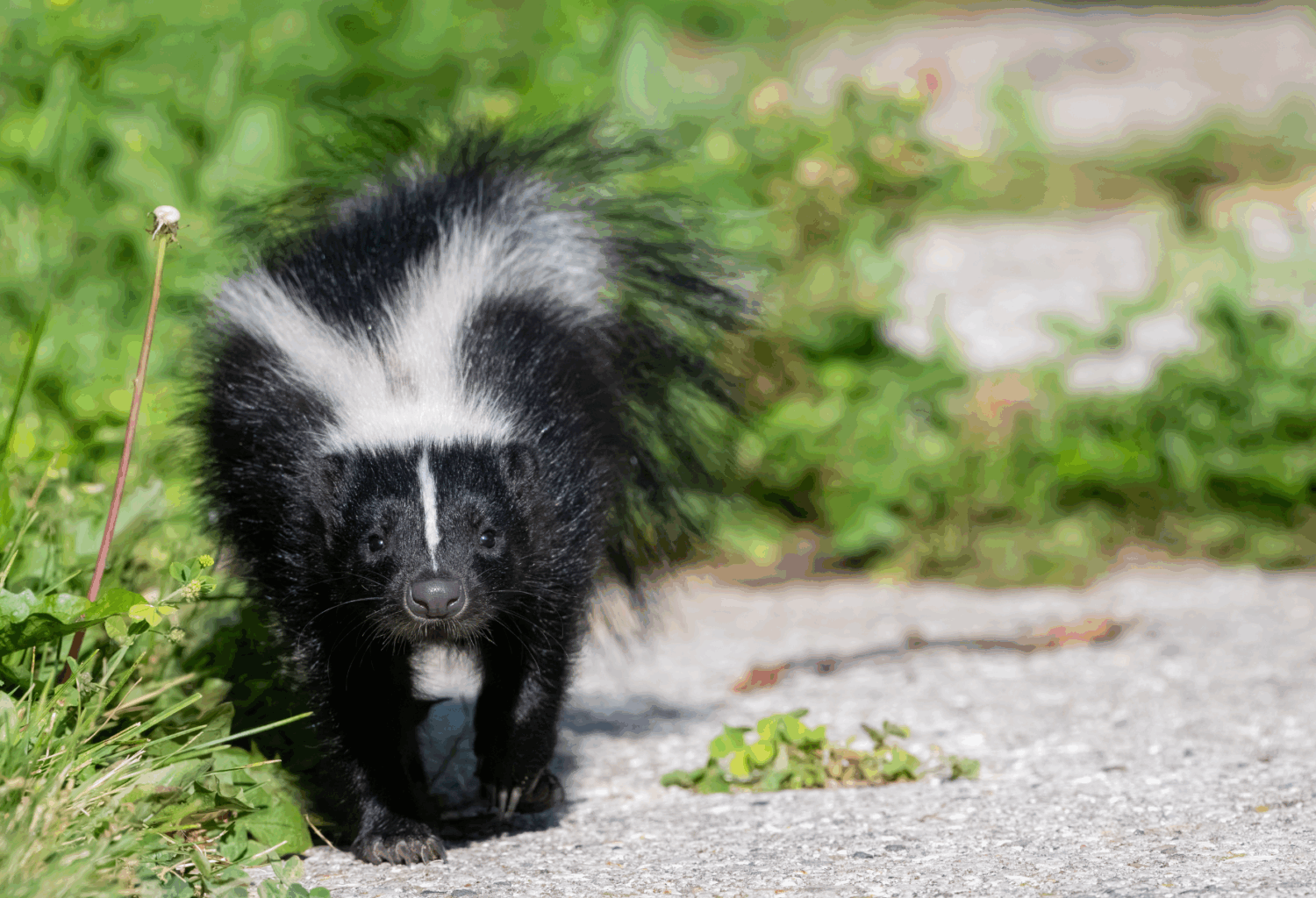
An Oklahoma state veterinarian took to the news to stress the importance of vaccinating animals against rabies.
Advertisement
Helping your patients stay up to date on their rabies vaccines remains as important as ever, according to the Oklahoma Department of Agriculture, Food and Forestry.
As of June 30, 2025, the state had seen 20 positive animal rabies cases according to the Oklahoma Rabies Surveillance and Data website; according to a dashboard of rabies positive cases in Oklahoma (a collaborative project between the Department of Geography and the Oklahoma Animal Disease Diagnostics Lab at Oklahoma State University), the current statistics put that number at 33.
The majority of these cases have been in skunks, but cats, dogs, cattle, goats, deer, bats, bobcats, and foxes have also tested positive in the area over the years. Because of this, assistant state veterinarian Alicia Gorczyca-Southerland, DVM, took to Oklahoma’s News 4 to warn pet owners, veterinarians, and those who work with livestock about the prevalence of this zoonotic disease.
One Health Guidelines
You know all about preventing and treating zoonotic disease, but how comfortable are you when it comes to collaborating with your colleagues in human medicine on cases that require (or simply benefit from) shared reporting? AAHA’s 2025 One Health Guidelines: Navigating Cross-Disciplinary Partnerships provides key insights and expert recommendations for what to report when—and to whom—in order to make sure we’re all working toward keeping people, pets, and the planet healthy.
“I always think any confirmed cases is an uptick because we shouldn’t have any, you know,” Gorczyca-Southerland said in the news segment. Since rabies is preventable through vaccinations—and deadly once an animal has been exposed—she considers even one case to be a case too many.
While many veterinary professionals are adept at vaccinating animals, there are times when the client conversations around those vaccinations are a little trickier. Past experiences, misinformation, and well-meaning concern for their pets can lead to vaccine hesitancy and skepticism. But, as Gorczyca-Southerland made clear in her interview, vaccines are absolutely the best prevention.
To help every family who enters your practice make the choices that are right for their pet, it’s vital that members of your veterinary team meet these clients where they are. Listening with curiosity and empathy rather than judgment is imperative.
Provide recommendations that are both based on that family’s unique situation and backed by evidence; this way, the family understands that you appreciate their pet’s specific needs.
Vaccine guidelines
To make sure you’ve got all the information you need to discuss core (and non-core) vaccines with your clients, be sure to bookmark the 2022 AAHA Canine (updated in 2024) and 2020 AAHA/AAFP Feline Vaccination Guidelines.
Learn more about communicating effectively with vaccine-hesitant clients here.
Photo credit: Brian Reinke via iStock/Getty Images Plus
Disclaimer: Trends™ content is meant to inform, educate, and inspire by providing an array of diverse viewpoints. Any content published should not be viewed as an official stance, position, or endorsement by the American Animal Hospital Association (AAHA) or its Board of Directors.
