Community care
Challenge accepted: Bringing veterinary care to Canada’s remotest areas
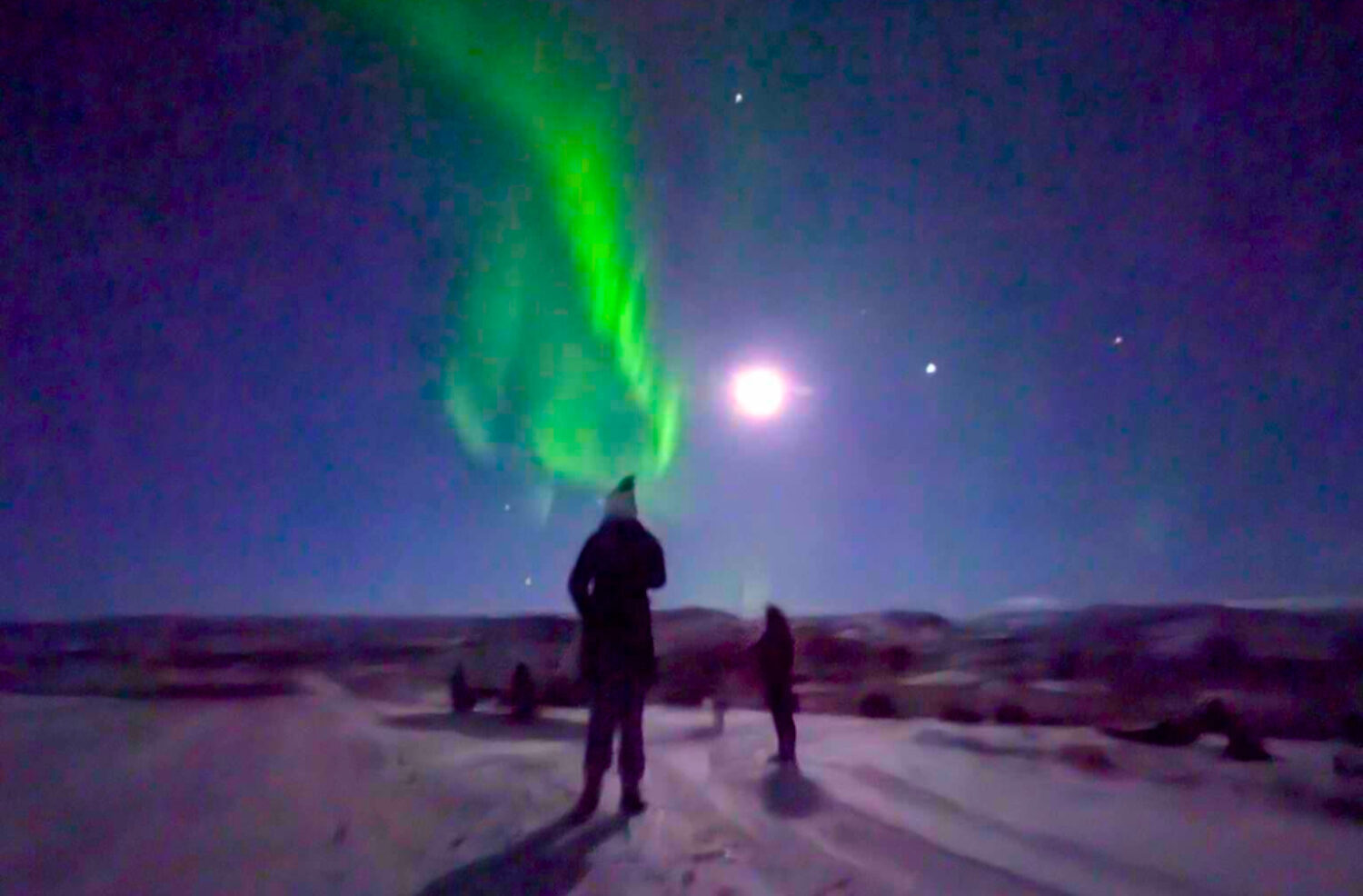
Bringing veterinary care to Canada’s northern areas is a major challenge. But through volunteers and advocacy, vets find a way.
Advertisement
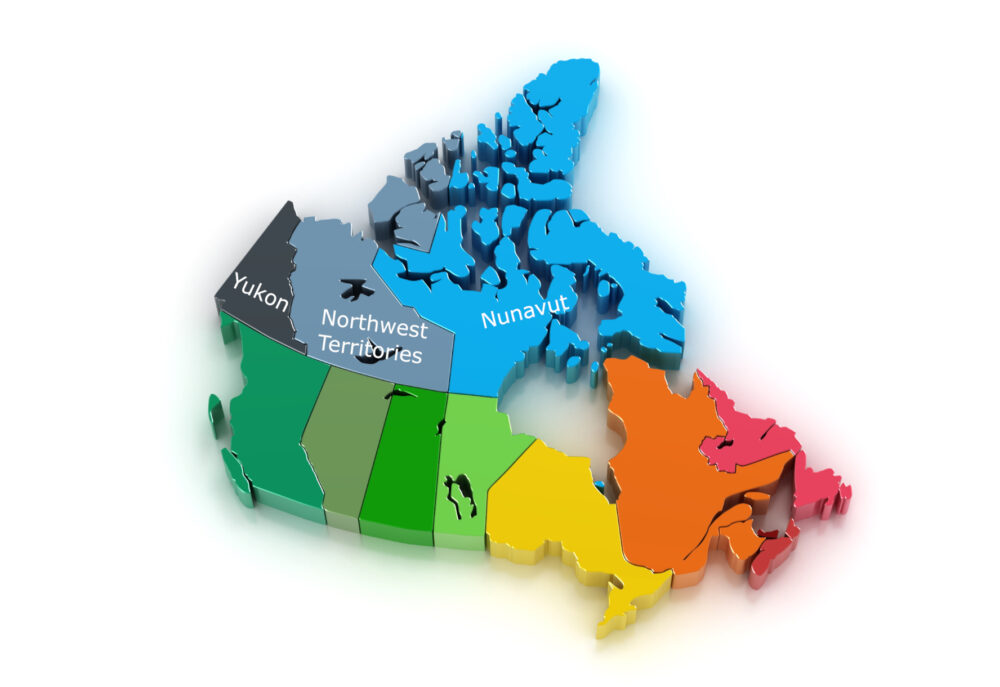
It is not hard to get a sense of the vastness of Nunavut from looking at a map. Erupting from the top of the North American continent like a breaching narwhal, it is a huge landmass of Arctic tundra, boreal forests, and permanent ice caps. The land extends upward to the northeast, then fragments into tens of thousands of islands which make up most of the massive Canadian Arctic Archipelago. The northernmost island, Ellesmere Island, sits a mere 16 miles from Greenland, just across the icy Nares Strait.
Nunavut is the largest of the three territories in Canada. It comprises a full one-fifth of the area of Canada and was originally part of the neighboring Northwest Territories to the west. In 1999, Nunavut was separated from the Northwest Territories, and while it is still part of Canada, it is now governed by the indigenous Inuit people.
Given the enormity of the area and the small population (imagine if only 41,000 people lived in an area the size of Mexico), it is no wonder that providing veterinary care to the residents there—and other remote communities in northern Canada—is not easy.
But—as veterinarians and animal welfare advocates across the globe do—Canadians find ways to rise to the challenge.
The Endless North
Canada’s three territories—Nunavut, Yukon, and the Northwest Territories—cover about 1.5 million square miles, about 40% of Canada’s total land area, equivalent to more than half of the land area of the lower 48 U.S. states. But fewer than 140,000 people live in these regions.
The low population density and the sheer distances between communities present challenges across the board: from providing infrastructure, to service delivery, to general economic development, it is a logistical challenge to get modern day conveniences to these areas.
Naturally, this includes veterinary care.
Zero FTE
The capital (and only city) of Nunavut is Iqaluit (“ih-KAL-oo-it”), home to the territory’s sole veterinary practice, Iqaluit Animal Hospital. The clinic is not permanently staffed, and there are no full-time veterinarians in Nunavut. Instead, the clinic relies on volunteers who fly in periodically to offer veterinary services to Iqaluit and other outlying towns and villages, which are often referred to as “the communities.”
Samantha Oldham is Executive Director of the Nunavut Animal Rescue and Iqaluit Animal Hospital. She oversees the day-to-day operations of the rescue, which has been operating since 2007. She also organizes fundraisers while trying to recruit veterinarians, technicians, and groomers to come in and staff the brick-and-mortar clinic, which the rescue has owned since 2023.
“When the only veterinary clinic in Iqaluit closed at the end of the COVID-19 pandemic, we recognized the growing need for veterinary care not just for the rescue, but for the entire community,” Oldham said. “With the help of a very generous donation, we were able to purchase the previous vet clinic building and started the process of renovating and figuring out how to run a vet clinic.”
Since the re-opening of the clinic, the organization has relied on volunteer veterinarians who travel to Iqaluit to provide care. Oldham and her team arrange flights, housing, and encourage visiting vets to explore the region during their stay.
“We try to have vets up about once a month for a week or so but the demand for veterinary care continues to grow and we are not able to meet that need,” she said. “We are actively working towards hiring a full-time vet to ensure more consistent care for our community.”
Oldham said last year the clinic conducted more than 500 general exams and checkups and performed about 150 spays and neuters—vital services in an area known for large populations of stray dogs.
Michelle Chiunti, DVM, is a veterinarian based in southern Ontario. She has flown to Iqaluit four times over the past 18 months to volunteer in the clinic. Each time, she spends a week providing medical care and preventive treatments to animals—mainly dogs—that come into the clinic.
“The primary species of concern for the citizens of northern Canadian communities are dogs,” Chiunti said. “They are both companions and the workhorse of the north.”
She noted that many communities in Nunavut are well-connected digitally, and when they learn that a veterinarian is available, many clients will fly down to Iqaluit for care. When that is not possible, they may connect with her remotely via telehealth consultations, a new service the clinic just started this year.
“Nunavut is a large territory with no transportation infrastructure other than boat, plane, snowmobile, and dogs,” Chiunti said. “The logistical challenge in my opinion, is simply trained boots on the ground. Many of the communities have access to medicines, tools, and equipment that can be used across species. However, modern conveniences, management, and knowledge are challenging at times.”
Chiunti said that in her experience, most people in the northern communities of Nunavut have one or more pet dogs, while the working sled dogs are mainly cared for by outfitters. She noted that people have other pets such as cats, rabbits, and occasionally smaller exotic pets, but those are rare.
She said that the biggest issue is a lack of spay and neuter services, and many communities have large stray dog populations.
“I would say that there are as many dogs in Nunavut as people,” she said.
What is the solution?
The Canadian Veterinary Medical Association (CVMA) released a position statement in late 2024 entitled Access to Veterinary Care in Canada. The document outlines CVMA’s views on the main barriers to accessing veterinary care, and recommendations on how to address the problem.
“The CVMA holds that barriers to accessing veterinary care have created a crisis that is negatively impacting animal health and welfare and the well-being of Canadians,” the statement reads. “The crisis is expected to continue for years and may worsen unless decisive actions are taken.”
The position statement implores governments, nonprofits, corporations, veterinary professionals, and individuals to find ways to support the efforts to bring veterinary care to everyone who needs it, particularly underserved communities of the north.
Some government agencies are already responding to the need in meaningful ways. In May, the government of Manitoba province announced it would be investing $1 million into improving access to veterinary care over the next several years. The funding includes money for the province’s Northern and Remote Veterinary Care Initiative—a series of programs aimed at improving access to veterinary services in underserved communities in northern Canada—and for the Winnipeg Humane Society’s One Health Program, which also helps to provide access to veterinary care to remote communities, with a focus on the link between human and animal health and wellbeing.
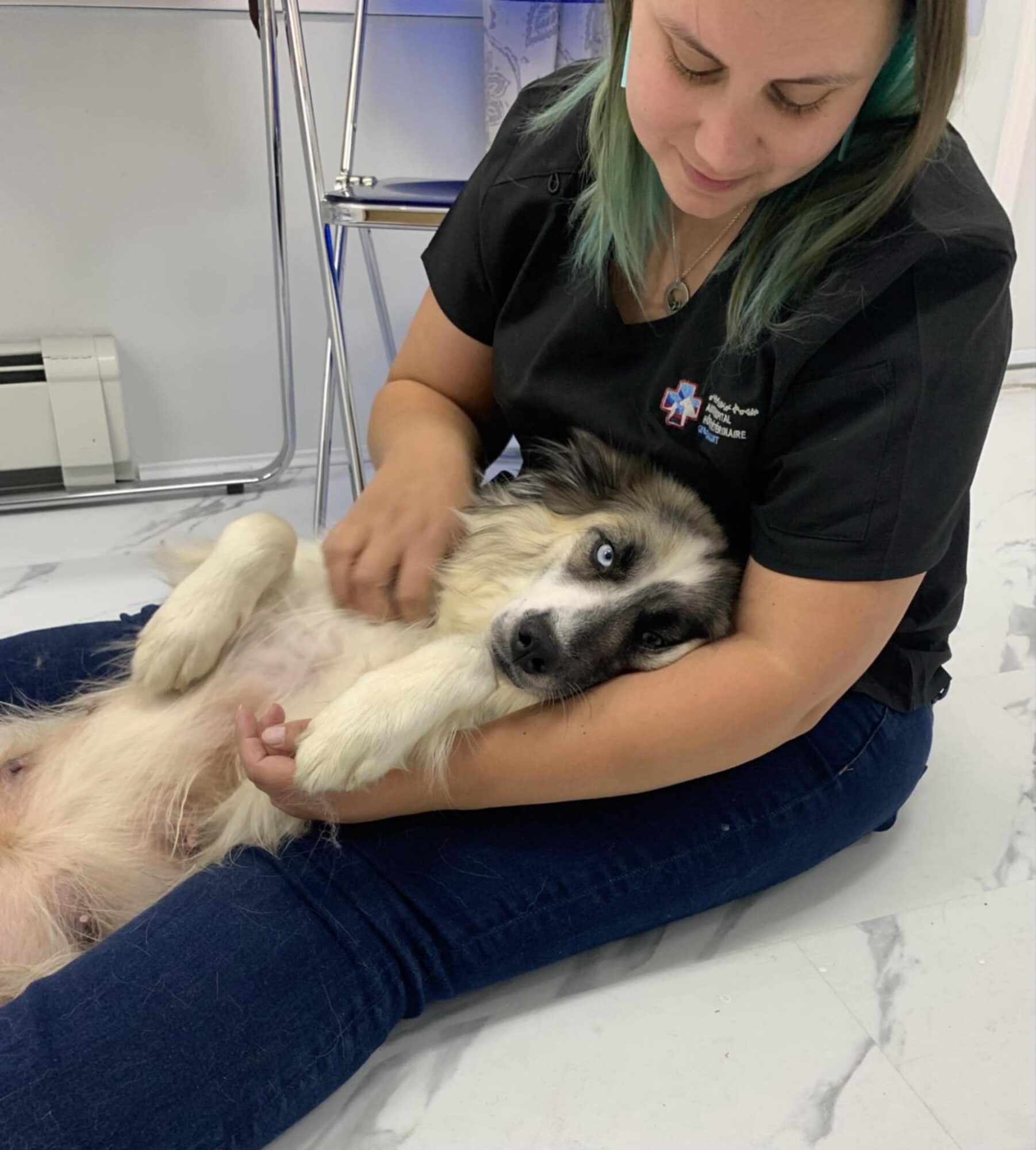
Other groups, such as the nonprofit Veterinarians Without Borders (VWB), are also doing their part. VWB strives to bring services and training to remote communities with little or no access to veterinary care, mainly in the Northwest Territories and Nunavut. The nonprofit partners with five communities across Nunavut, where they have been providing continued care over the last six years.
Michelle Tuma, DVM, is the Northern Veterinary Specialist for Veterinarians Without Borders North America, and works out of Yellowknife in the Northwest Territories.
The organization is very careful to let communities lead the way when it comes to receiving assistance.
“All of our services are delivered in partnership with the community,” Tuma said. “This means that we are invited into the community by leadership, and we work with the community to identify their priority concerns and needs regarding animal health and welfare.”
When VWB visits a community, Tuma said they host community engagement events to meet residents and further discuss any needs and identify solutions that will work for the community in line with the local culture and traditions.
“During these community events, we hire locals to cook food and provide translation services,” Tuma said. “Everything that we do is community-led and community-driven, which brings awareness to traditional practices.”
But VWB’s philosophy is not just to swoop in, provide some services, and then leave. Tuma said VWB just launched a new program this year, unique to the region: the training of Community Animal Health Workers (CAHWs).
“We have already trained six CAHWs in two communities in Nunavut and are planning to train more during our Fall clinic rotation,” Tuma said. “We continue to support the CAHWs after we leave; they give the community someone local to reach out to if anyone has an animal health concern.”
She noted that community members are also welcome to reach out to VWB directly with any animal health concerns they may have.
Tuma added that more support from territorial and federal government agencies is something that is needed, as is a way to make it easier for veterinarians to obtain temporary licenses in the territories. She said that VWB is in “very early discussions” with Nunavut and Northwest Territories regulatory bodies regarding temporary licenses.
In Iqaluit, Oldham said she does not foresee the Nunavut government implementing any assistance such as the Manitoba government is implementing, at least for now.
“We do apply for grants and other funding through the government and the city when we can,” Oldham said. “However, animal welfare is not a top priority in Nunavut at this time for understandable reasons.”
So, for the time being, the clinic will continue to rely on volunteer assistance and the telehealth services provided by Chiunti.
“Having available full-time veterinary and veterinary technician care in the north would make a world of difference to the pets, and the people of northern Canada,” Chiunti said. “Money always helps—however, warm bodies are the core to survival in the north.”
Help Wanted
Interested in volunteering in Nunavut?
 Veterinarians and veterinary technicians interested in volunteering their services in Nunavut can reach out to [email protected]. Veterinarians must obtain a license in Nunavut (find more information from the CVMA here). Iqaluit Animal Hospital Executive Director Samantha Oldham said the Nunavut Animal Rescue covers the costs of flights and accommodation while visiting staff are in Iqaluit.
“We are seeking both veterinarians and technicians to volunteer their time—typically for about a week—or for those who can come for a more extended period with compensation,” Oldham said.
Veterinarians Without Borders also relies on volunteers, and has many opportunities for veterinary professionals who want to help. For more information on volunteering with VWB, visit their page here.
Photo credits: © scibak via E+/Getty Images; courtesy of Nunavut Animal Rescue; courtesy of Michelle Chiunti
Disclaimer: Trends content is meant to inform, educate, and inspire by providing an array of diverse viewpoints. Any content published should not be viewed as an official stance, position, or endorsement by the American Animal Hospital Association (AAHA) or its Board of Directors.
