Practice Management
How to create a clinic that cats (and caregivers) will love
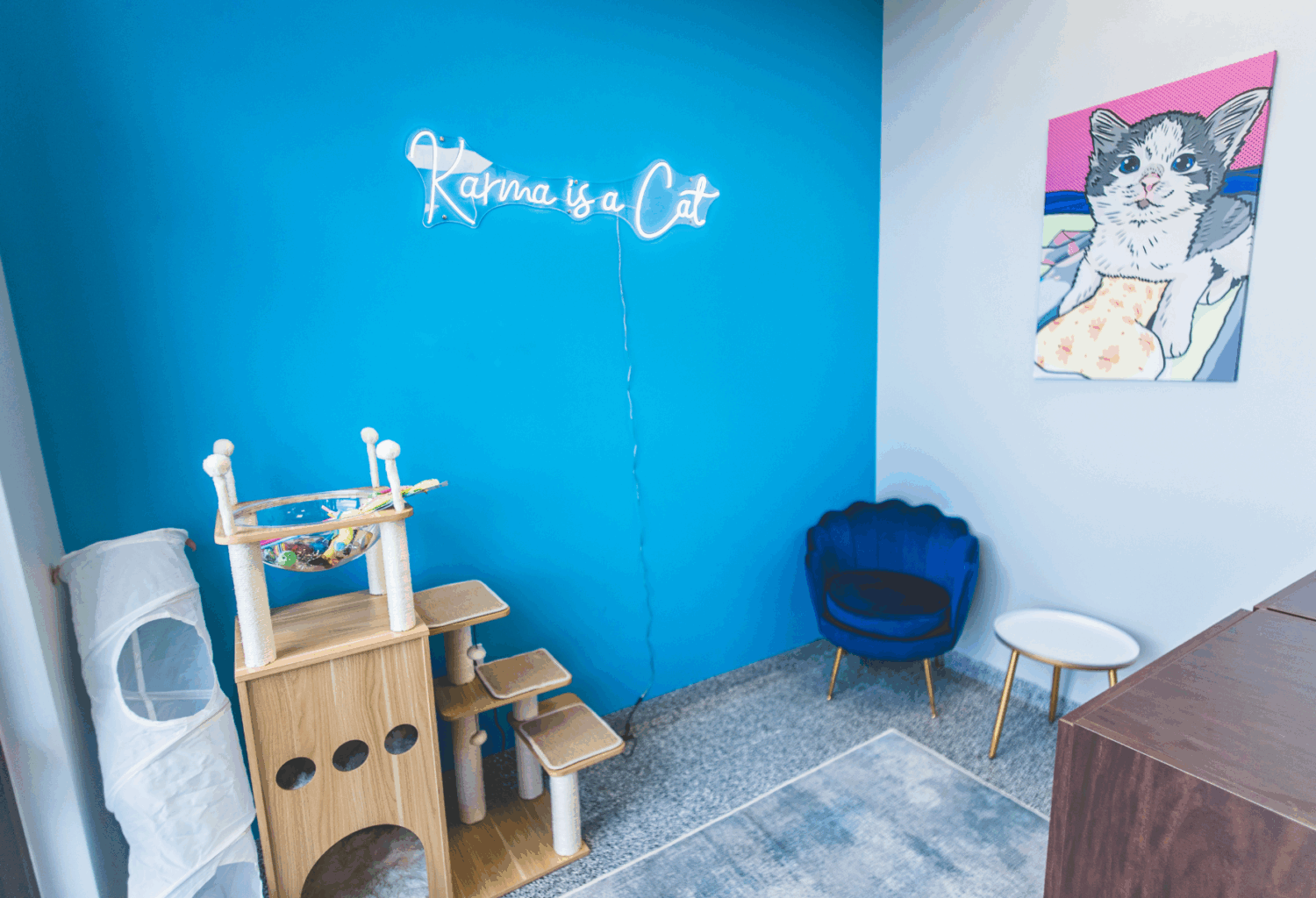
You might love seeing clients with cats, but is your practice as cat-friendly as it could be? From small tweaks that make a big impact on patient care to major redesigns that’ll wow your clients, there are plenty of ways to level up the cattiness in your practice (in a good way).
Advertisement
While 2025 may be the Year of the Snake in the Chinese Zodiac, within the American pet and veterinary industry, it’s looking to be the Year of the Cat.
The American Pet Products Association (APPA) released their 2025 Dog & Cat Report earlier this summer, and a 23% increase in cat ownership—along with more multi-cat homes and greater interest in strengthening the human-kitty cat bond—were among the biggest 2024 trends. A 36% bump in homes with three or more cats indicates that many families are going all in on all things feline, and their purchases (interactive toys, harnesses and leashes, training tools, and party supplies) back up that devotion.
So, what does that mean for veterinary practices? In short, if you haven’t taken steps to ensure you’re providing a truly cat-friendly experience, that’s something you probably want to address—like, right meow.
Ways to keep cats and their caregivers happy
It’s one thing to set yourself apart as a feline-friendly practice if you only treat cats, but when you treat other species, too, it can be a bit trickier. After all, we know cats aren’t just small dogs—but if you’re not providing your purring patients with an experience that addresses their specific needs, you’re missing the boat. Because, if you don’t provide the type of service today’s cat caregivers expect, someone else will.
So, what can you do to cat-ify your practice? From intake to the exam to staff training and more, there are a number of ways you can update your protocols to create a cat-friendly atmosphere your feline patients (and their families) will love.
Find purr-fectly tailored care with the Feline Life Stage Guidelines
The 2021 AAHA/AAFP Feline Life Stage Guidelines provide evidence-based insights to help your team nurture feline health throughout different life stages. With comprehensive strategies designed to promote optimum health, prevent diseases, and address age-related concerns, these guidelines can be your roadmap to keeping your kitties comfy throughout their lives.
Tips for intake and arrival
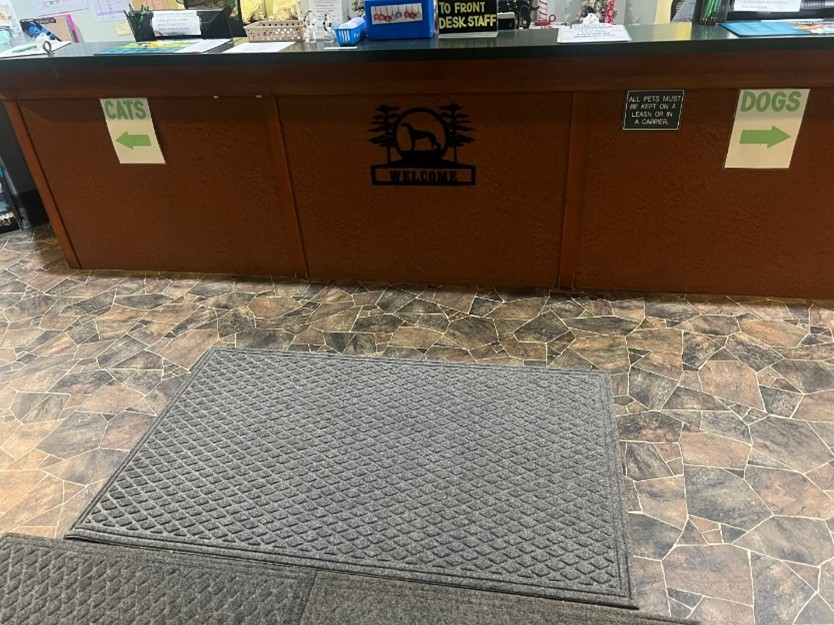
“One of the biggest challenges is designing or managing waiting areas,” said Michelle Meyer, DVM, Past President of Feline VMA and an associate veterinarian. “It’s hard to maintain two fully separate waiting rooms unless that’s planned for during the hospital’s construction.” And, she added, even when they’ve designated a cat side and a dog side, they ran into challenges with caregivers who didn’t notice or follow their signs, “and barking dogs end up right outside my cat-only exam room.”
Still, creating and maintaining those spaces makes a big difference, and Meyer also finds that providing towels to cover carriers or wrap fearful or anxious cats is a small tweak that can make a big impact in stress reduction.
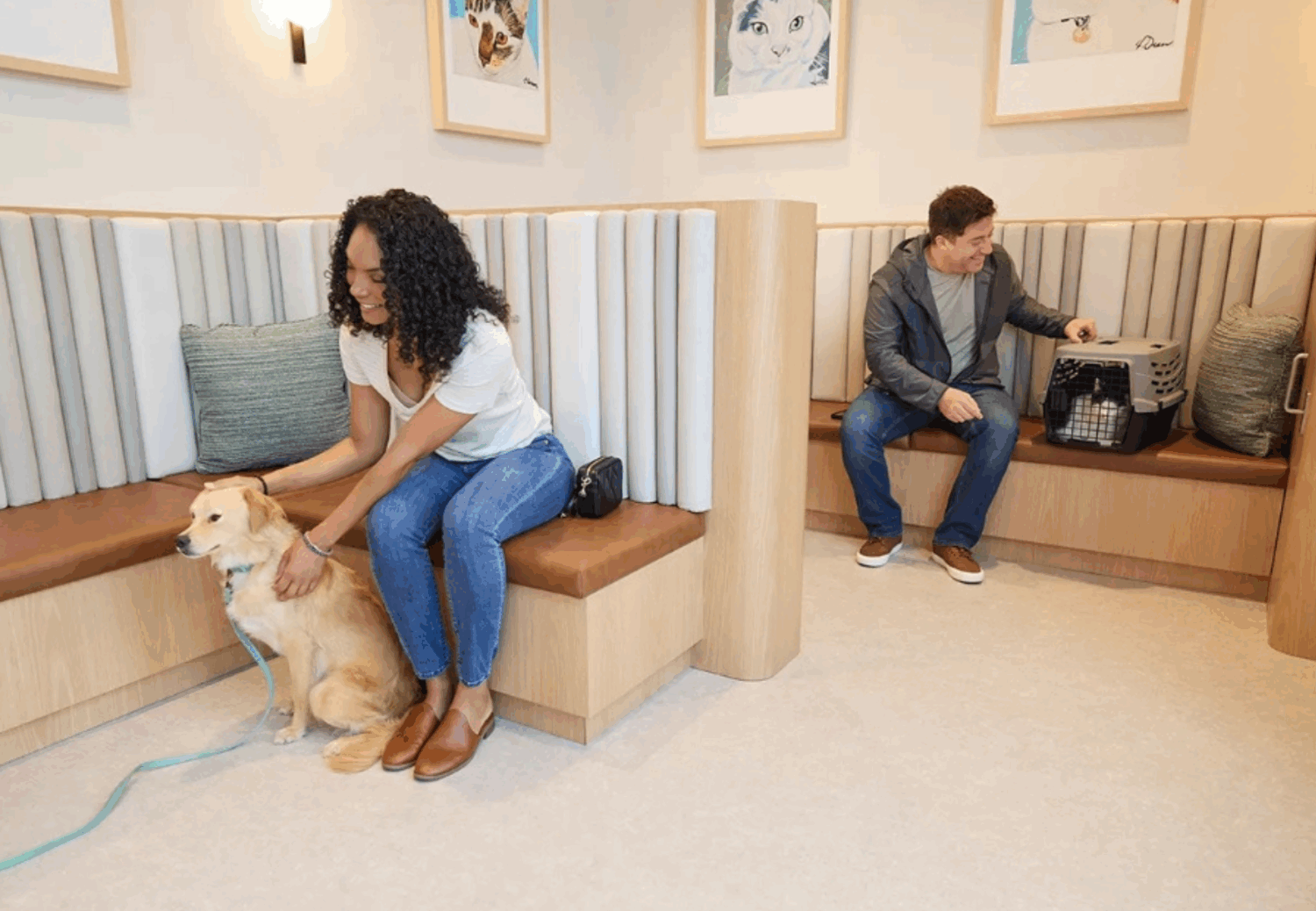
A “species-sensitive spatial layout” is one of the foundational elements of the Chewy Vet Care practices, said Katy Nelson, DVM, Senior Veterinarian at Chewy Vet Care. That layout includes separate waiting areas for dogs and cats. “This design choice helps minimize visual and auditory stressors, especially for more sensitive feline patients,” she said. “Our clinics are also intentionally quiet, with sound dampening design and no ringing phones in the lobby, so that cats (or dogs, for that matter) aren’t overwhelmed by the environmental noise from the moment they walk in.”
Sarah Hilliard, DVM, owns two Fear Free practices near Denver, Colorado, as part of the veterinarian-owned and led Pet Vet 365 group. As someone who loves feline medicine, it was important to her to focus strongly on the cat side of the business. “It’s like, you know the dogs are gonna come in, right?” she said. “We can make this amazing environment for them and really wow their guardians—but how do we help cat owners understand that it’s possible to have a Fear Free visit?”
In her case, because they were building from the ground up, they were able to design exactly the practice they wanted—and that includes a “no waiting room” system.
“We have an entry area, but there’s no waiting to get into your room. Our doors stay locked, and we have a little cling on the front door that says, ‘We are Fear Free, so our doors stay locked. Send us a text instead of a knock,’” she explained. “So, the whole concept is that you don’t have those surprise people walking in. There’s no German shepherd on a retractable leash and a cat swinging in a carrier. That’s where all of this fear and anxiety start.” Once the room is ready, the team lets the family know; then, once they walk in, they’re met at the door and taken directly back to their suite without needing to interact with any other pets.
This approach requires some prep and education with the families, so Hilliard’s team makes a point to explain this system when the appointment is initially made. “There are some educational pieces we like to share with cat owners, like a favorite blanket draped over the carrier, and holding the carrier from the bottom instead of the handle,” she said. Much of this communication occurs via text, so the families can easily refer back to those recommendations on the day of the appointment.
How to prep the exam room
Think about the types of spaces you know cats enjoy exploring. Now think about your exam room. How much overlap is there?
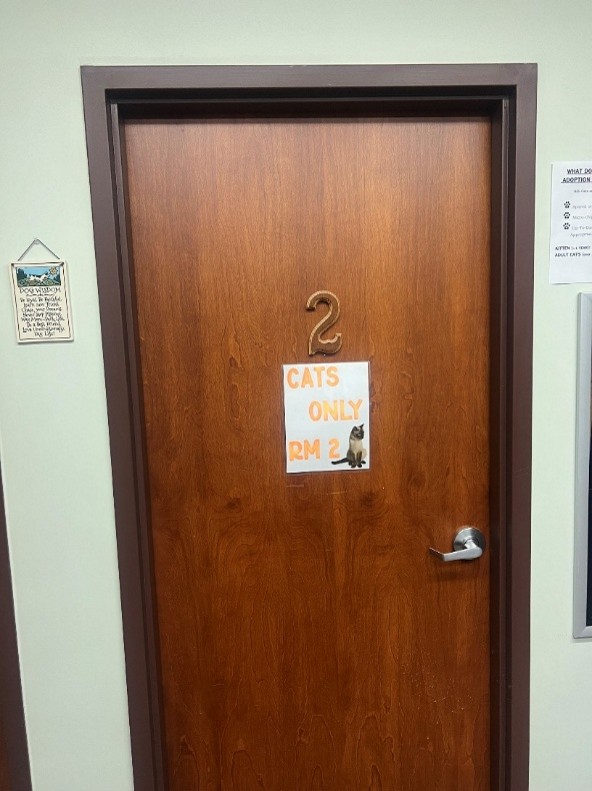
If there’s not much, don’t fret. Meyer suggests starting small and building gradually; the Cat Friendly Practice Checklist can be a helpful tool for identifying areas in need of improvement. But if you’re looking for a few places to start, her recommendations include dedicating at least one exam room as “cats only.” “Your cat caregivers will notice and appreciate it,” she said.
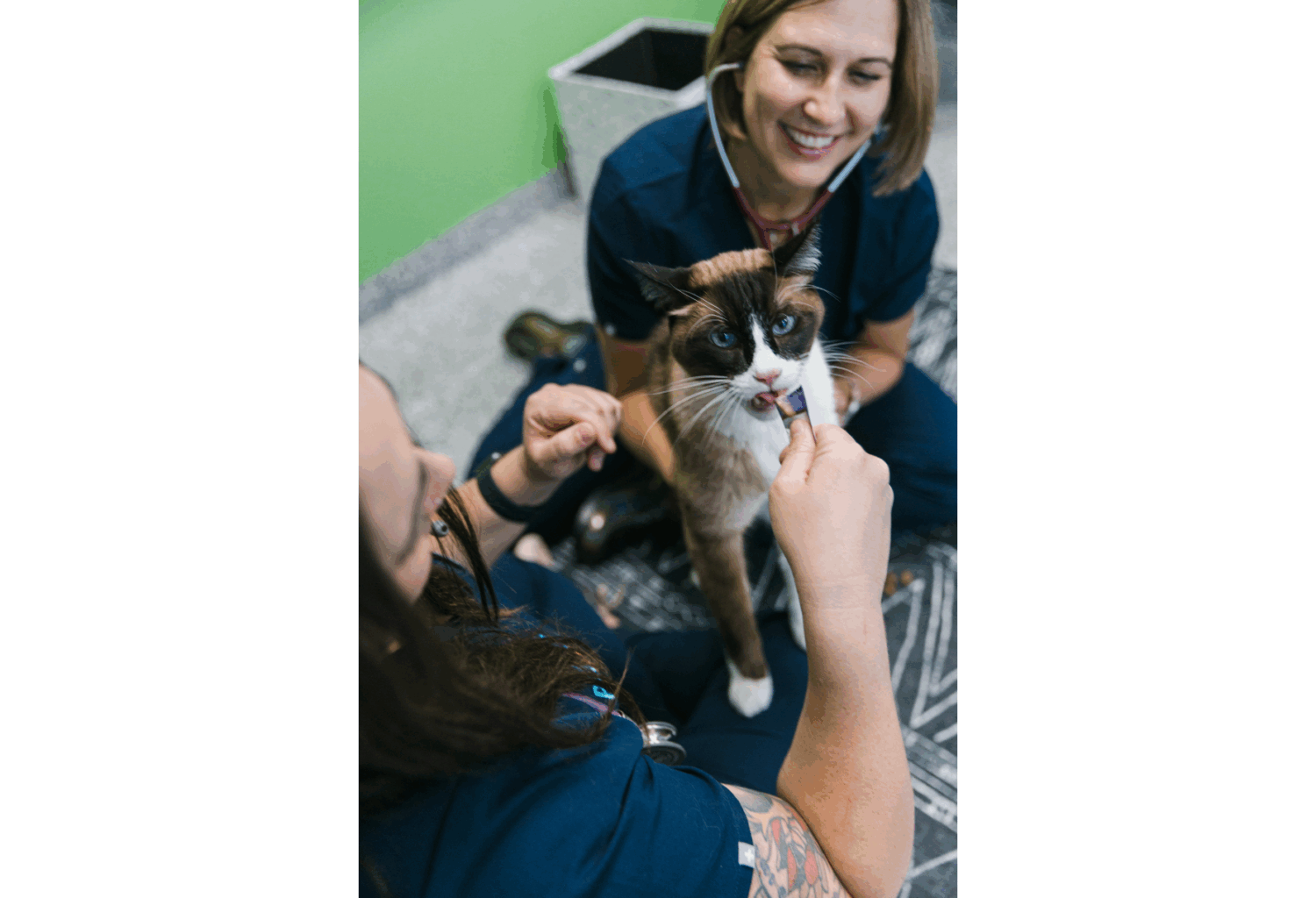
Also, you may want to invest in some simple tools like a towel warmer, feline pheromone diffusers, and a variety of treats—both lickable and crunchy, since we know kitties tend to like what they like. “These minor adjustments can have a remarkable effect on the cat’s comfort and the caregiver’s experience,” Meyer said.
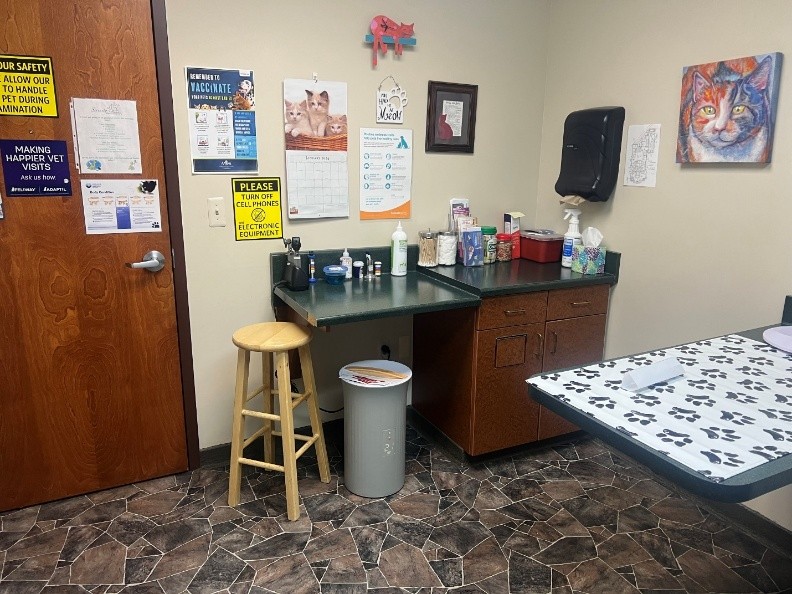
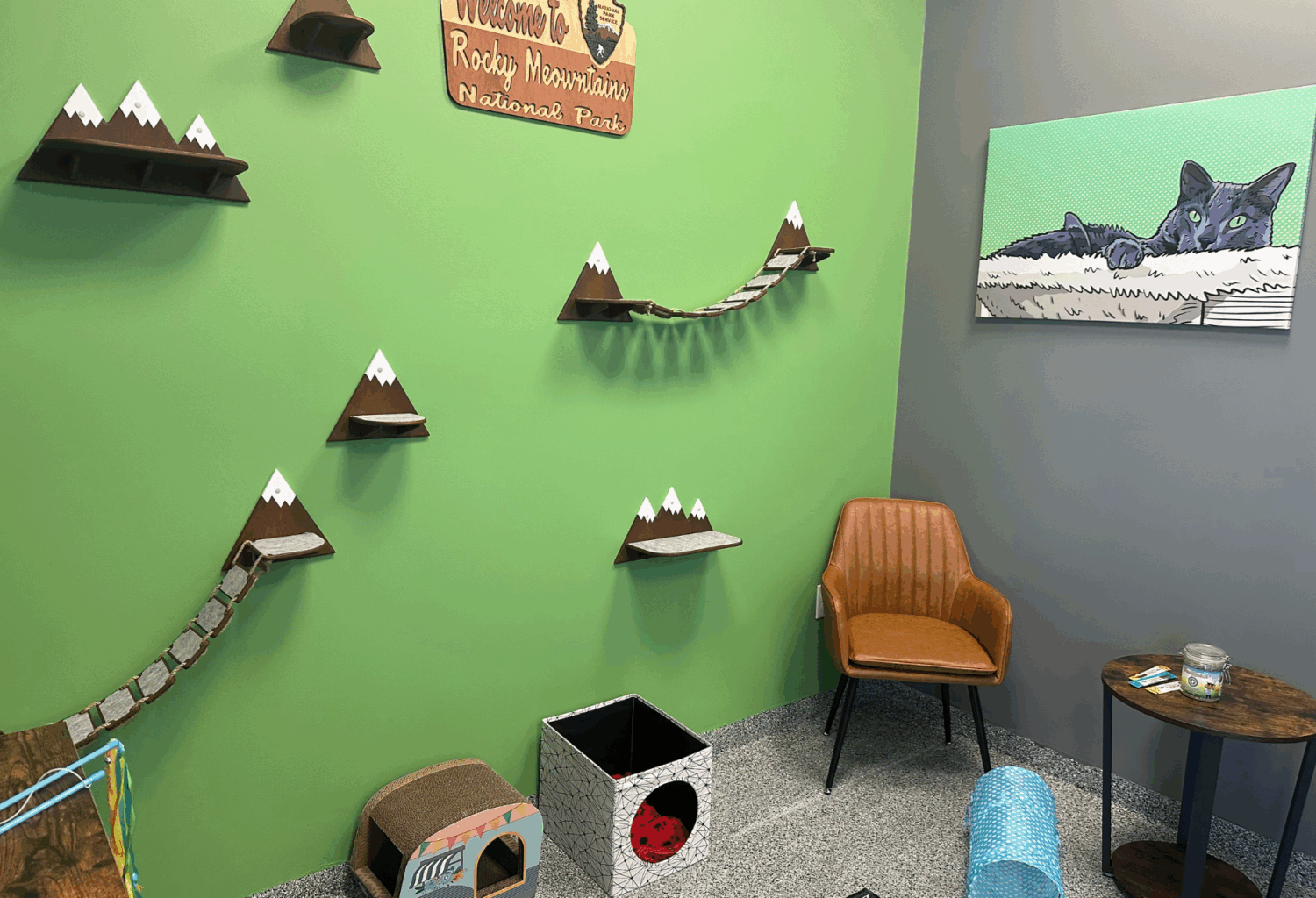
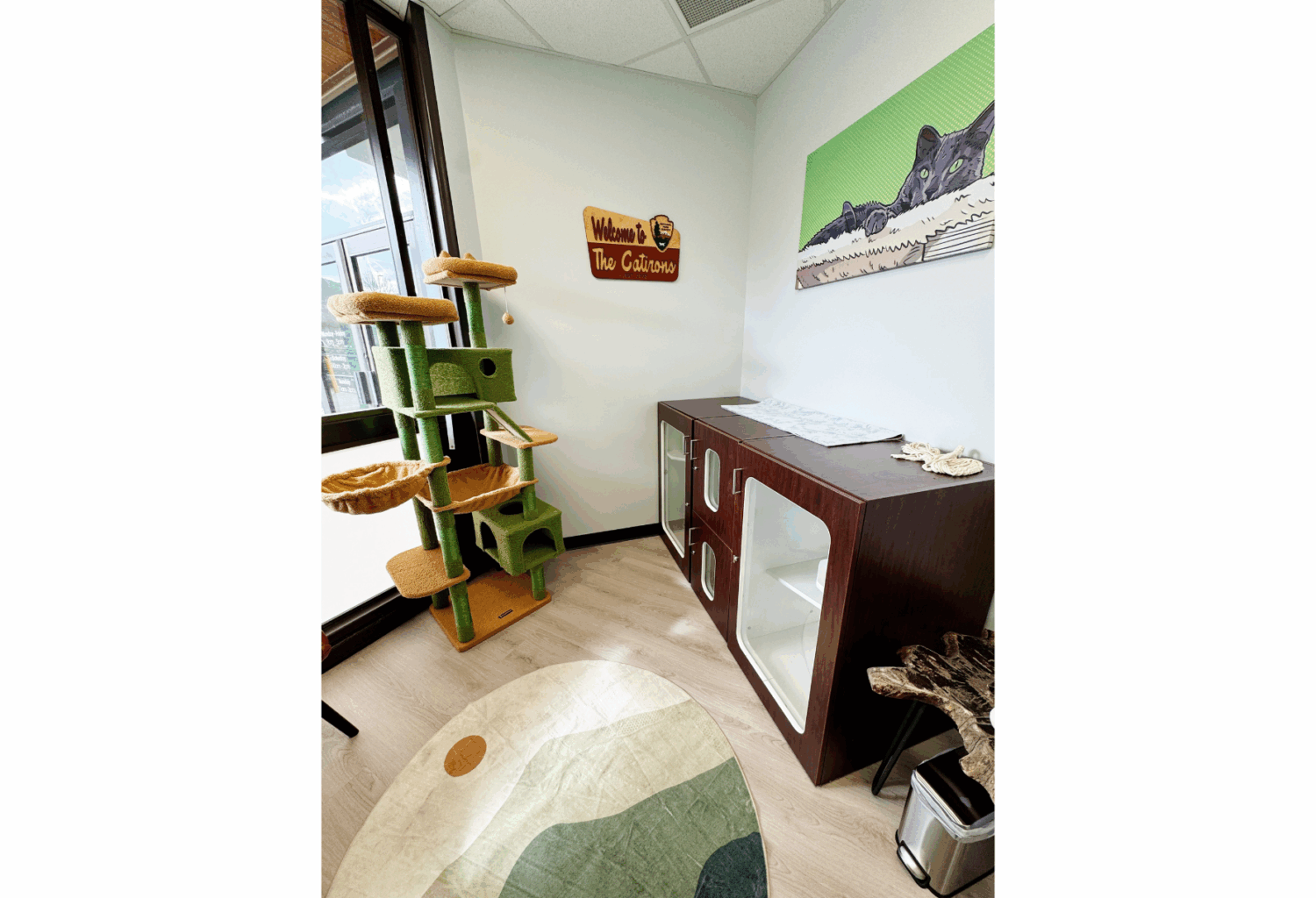
Nelson noted a similar approach in her clinics, where they also offer pheromone diffusers to reduce anxiety along with cozy mats and elevated perches, non-slip exam surfaces to help cats feel secure, and ambient lighting.
“Additionally, the exam rooms offer digital displays, which help personalize the visit with patient photos, diagnostic images, and a warm, familiar tone—reassuring to both cats and their humans,” Nelson said. They also offer special “comfort rooms” for sensitive patients or conversations, and because these spaces mimic living rooms, they can help suspicious kitties feel more relaxed.
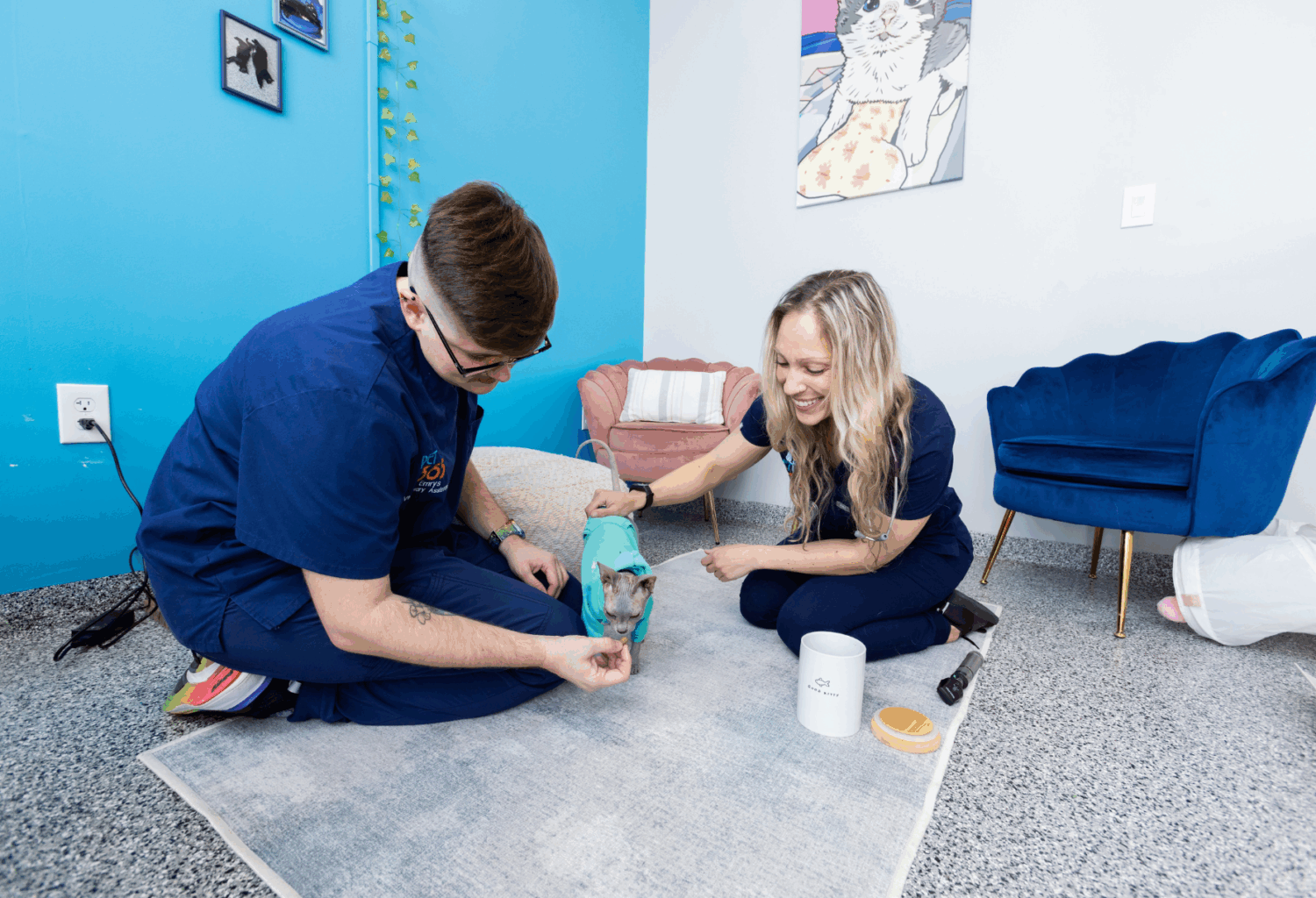
In addition to pheromone diffusers, comfortable seating, vertical perches, toys, rugs, a TV, and cozy dens for hiding, Hilliard’s cat-friendly exam rooms also offer two things that she thinks make a massive difference: a litter box and time.
“The visits vary in length, but we’re definitely taking a little bit more time with each guardian, especially new patients,” she said, noting that after they take the cat and caregiver to the room, they let them know they’ll have some time to relax and explore. The top halves of the walls to the hallway are glass, so while the cats can’t see out, the families can—which lets team members acknowledge them and let them know when they’re coming, reducing anxiety for the humans, too.
“We don’t want anyone to feel rushed and we know that if we give the patient a bit of time to acclimate, they’re gonna be a little bit more trusting—versus just grabbing them, putting them on a steel table, and putting a thermometer up their butt. Like, why would a cat want to participate in that, you know?” Hilliard said.
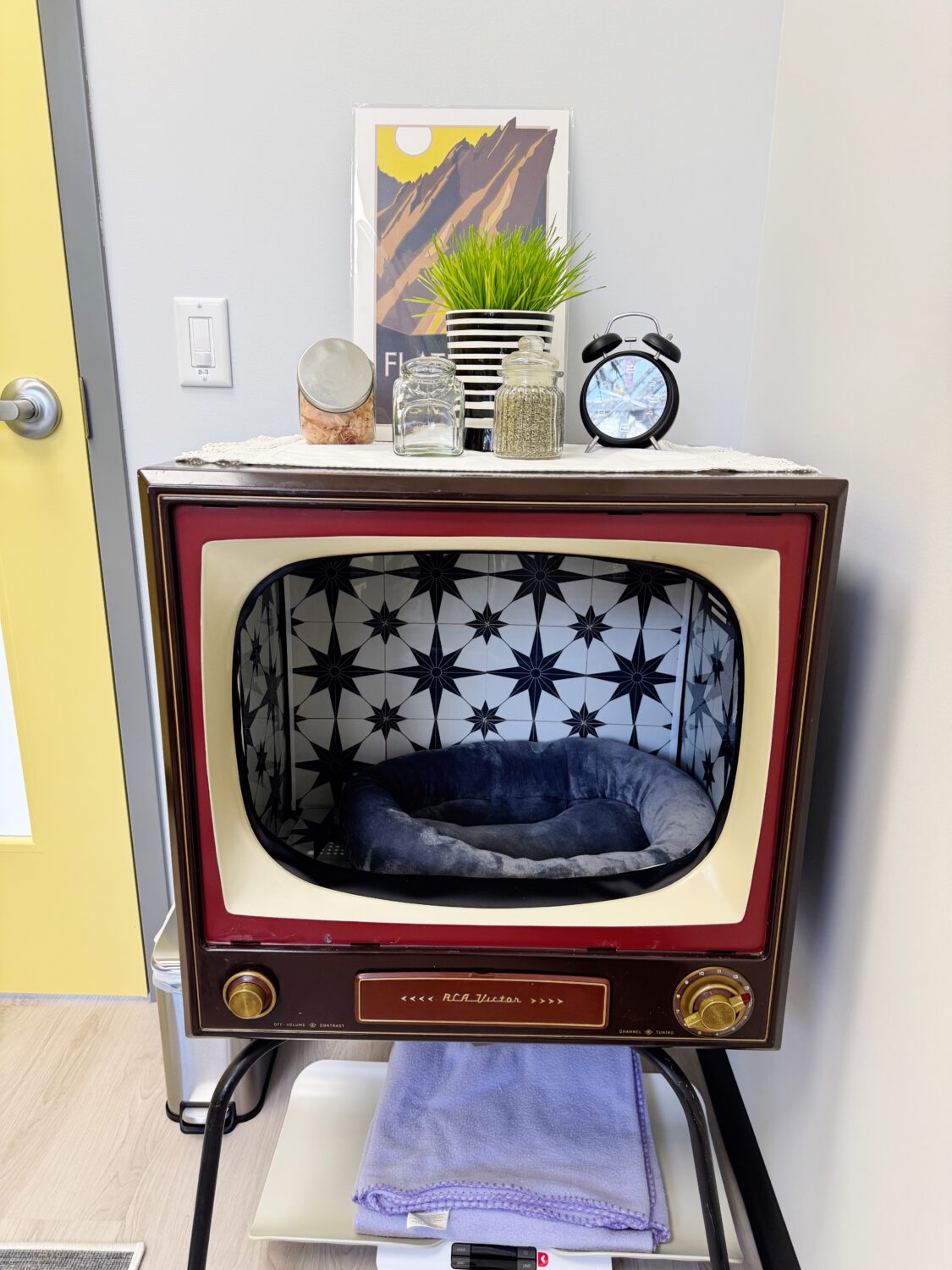
And ensuring pets want to participate is a big part of Hilliard’s practices’ philosophy.
“We talk a lot about opting in, and we explain from the get-go that we’re not going to sacrifice the emotional wellbeing of your kitty cat today,” she said. “If there are things we can’t do, we’ll talk about how we can get them done in a way that’s going to meet the boundary the pet is setting.” If the cat opts out two times (meaning they’ve begun to escalate above a 2 on the FAS scale), the team changes course and discusses options for making the visit less stressful, which may mean an injectable sedative right then (if there’s something that must occur that day) or trying some anxiety-reducing medications prior to a visit at a later date.
There’s also one thing the Pet Vet 365 exam rooms don’t have—an exam table. Most of their exams occur on the floor, or sometimes on the furniture if that’s where the cat is most comfortable. “We find that animals are generally more comfortable with their guardians,” Hilliard said. “And so we try to do as much as we can in the room. We’re gonna explain everything we’re doing.”
She believes that including guardians in the exam is a plus because it gives them a chance to show them what services they’re providing while educating them about animal body language and low-stress handling techniques. “They see the value in what’s happening, and they see how their pet did. I also think it helps with the partnership piece,” Hilliard said. “I always tell guardians, ‘I want to partner with you in your pet’s care. I’m the expert in medicine, but you’re the expert in your cat.”
Optimize teamwork and training
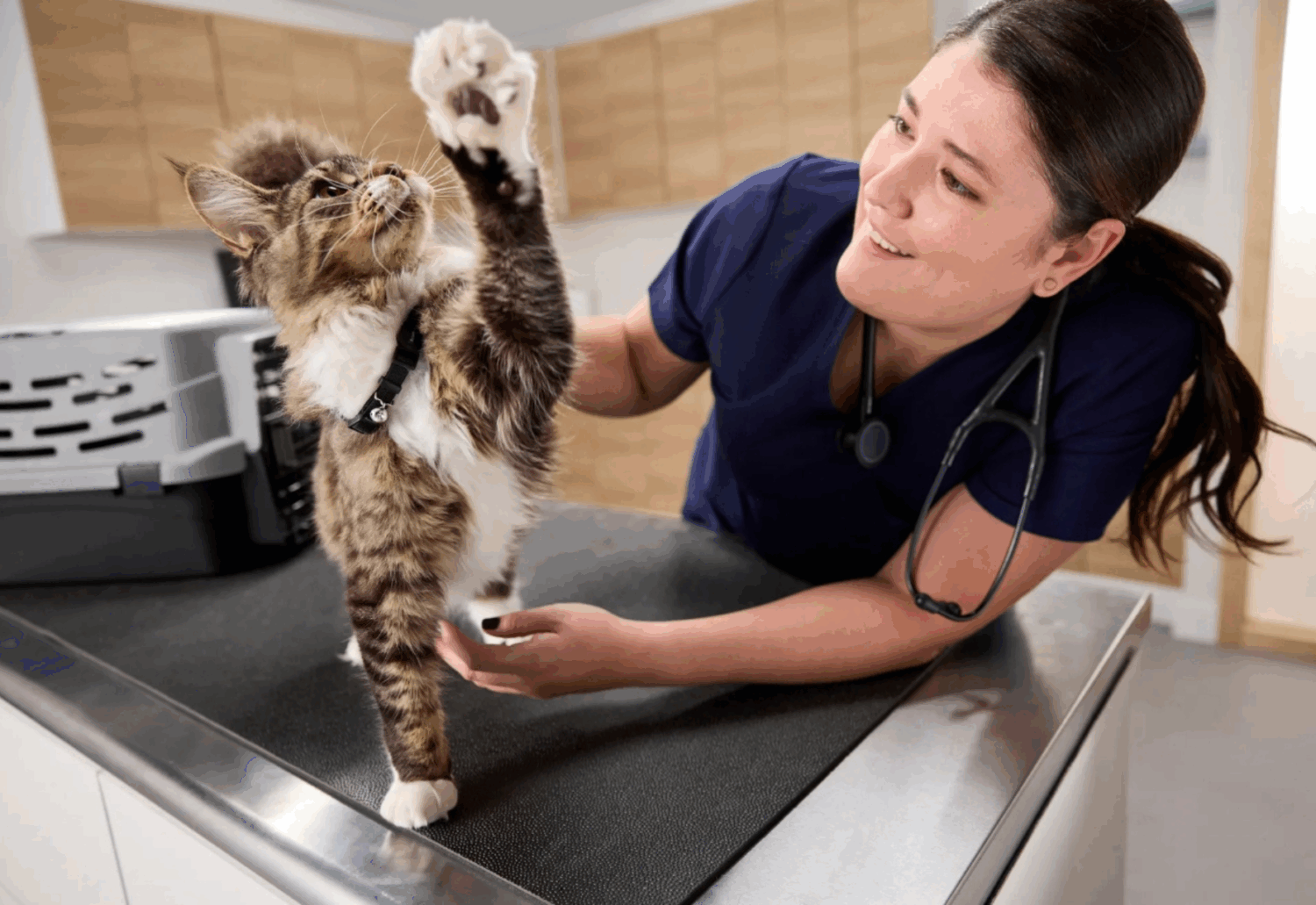
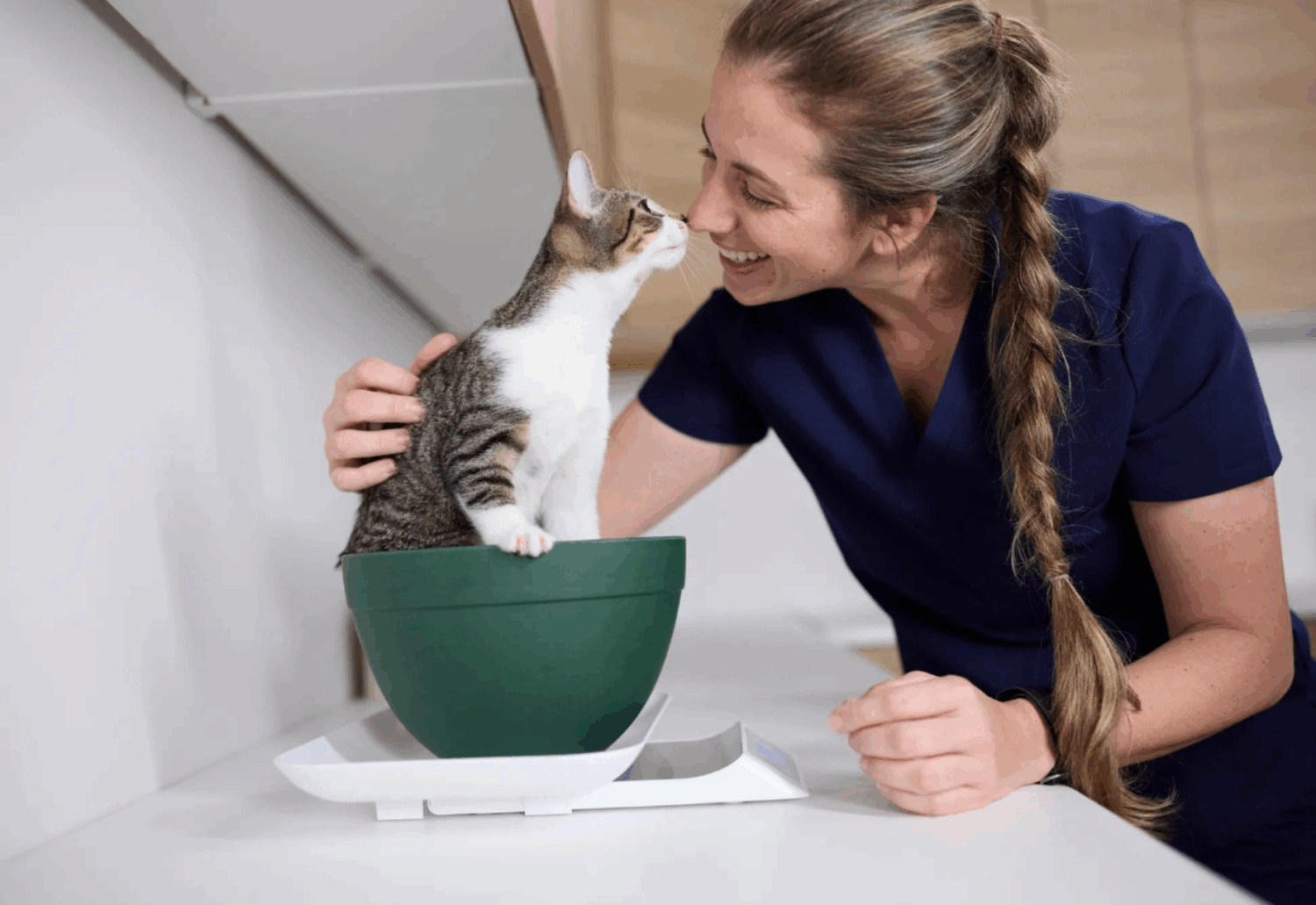
One of the most effective strategies for creating a cat-friendly practice is training the team in cat-friendly handling, said Meyer. “[This] can be a big culture shift, but ultimately leads to fewer bites and even fewer workers’ compensation claims,” she said. “In fact, we’ve eliminated cat muzzles entirely because improved handling techniques made them unnecessary.”
Hilliard agrees that, for team members who aren’t used to paying such close attention to feline body language, adjusting to that approach can take a little work. “It takes some training to understand what that [opt out] body language looks like, especially if you’ve been in a practice where you kind of plow through,” she said.
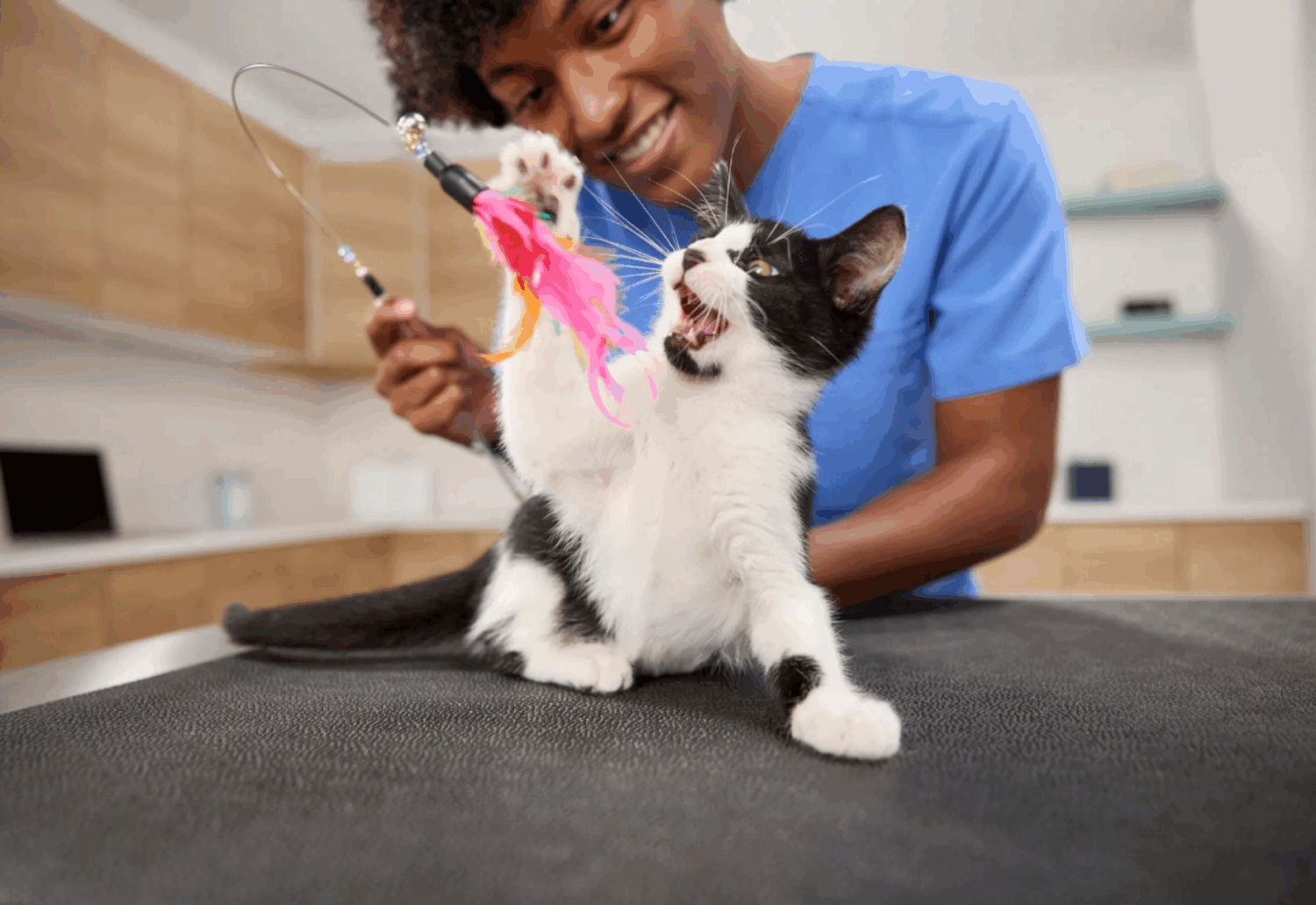
She works with her teams to make sure they understand all the different options for how to approach their feline patients: catnip, food and treats, toys, etc. “We even have the kitty swaddle suits that some cats do really well in—and other cats really don’t,” she said. “So when we come into a room, we have this arsenal of tools and we try to assess which tool is best for this particular cat.”
Importantly, she drives home the point with her team that, if a cat is opting out, it’s not a failure on the team’s part. “We have to notice this and respect it, then have a brave, honest conversation with the owner that your cat’s emotional wellbeing is being compromised right now,” she said.
Low-stress handling techniques and an understanding of feline body language, stress signals, and behavior are all part of the training Nelson’s teams receive, and they don’t stop there.
“Staff are trained not only in technical care, but in empathy-driven communication, allowing them to adapt tone, movement, and interaction based on the unique comfort level of each cat,” she said. “This includes offering cat treats, adjusting exam pacing, addressing the cat by name, and making sure that both pet and pet parent feel safe, seen, and understood.”
A number of training and continuing education courses on this topic exist, including some excellent resources from the FelineVMA and Fear Free. (Find more resources listed at the end of this article.)
A glimpse at AAHA’s feline-focused standards
AAHA-accredited hospitals are evaluated on a wide variety of standards, several of which are specific to the care and handling of feline patients:
- Sedation or anesthesia is utilized, if appropriate, when handling fractious, frightened, or stressed patients.
- The practice evaluates and addresses the special housing needs of fearful or anxious animals.
- Housing and care of patients optimizes their quality of life and prevents decubital ulcers or pressure related injuries, soiling, and other potential injuries
- Housing provides adequate separation and barriers between animals to prevent their direct contact.
- The practice evaluates and addresses the special housing needs of fearful or anxious animals which may include the use of appeasement pheromones.
- Feline patients have access to a litter box to void their bladders and bowels as needed.
How to collaborate on cat care
Beyond your own team’s training, Hilliard recommends connecting with behavioral professionals you know and trust—because simply by being a practice that prioritizes a cat’s wellbeing, you’ll automatically attract more of the fearful, anxious, and behaviorally complex cases.
“Recognize that, as a GP, you’re not expected to do all of it,” Hilliard said. “You’re providing an environment in which general practice care can happen in the least stressful way. But then, how do we make that transition for people to help them with their animal’s potential underlying behavioral condition in the long term?”
If you don’t already have a direct connection with a behavior expert who aligns with your cat-friendly approach, it can be tricky to guide clients to the right fit. Still, educating those clients about the terms to look for (cat-friendly, Fear Free, positive reinforcement) and what to avoid (prong collars, negative reinforcement, pack mentality) is a good start.
Hilliard solved this problem by hosting a Fear Free-sponsored CE event at their hospital, which drew in lots of local, like-minded professionals—one of whom was a trainer who was eager to partner with practices in the area.
The bottom line on feline friendliness
It’s important to note that a cat-friendly approach doesn’t just make for a nicer experience for the patient but has also been shown to result in more visits from feline patients, increased laboratory testing and increased diagnosis of certain common conditions in cats.
According to the Feline VMA, a 2024 Cat Friendly Practice (CFP) survey found that 77% of the 903 designated CFPs said their revenue had increased due to being a CFP, and 87% had received positive feedback from clients due to being a CFP. Improved client retention and higher caregiver satisfaction were among the top benefits respondents named.
When something is good for both the patients and the practice’s bottom line, that’s a pretty purr-fect plan.
Photo credits: Lead image courtesy of Sarah Hilliard, DVM, of PetVet365 in North Denver
Disclaimer: Trends™ content is meant to inform, educate, and inspire by providing an array of diverse viewpoints. Any content published should not be viewed as an official stance, position, or endorsement by the American Animal Hospital Association (AAHA) or its Board of Directors.
