Clinical
Dear Labby: How can we improve our communication about cancer in cats and dogs?
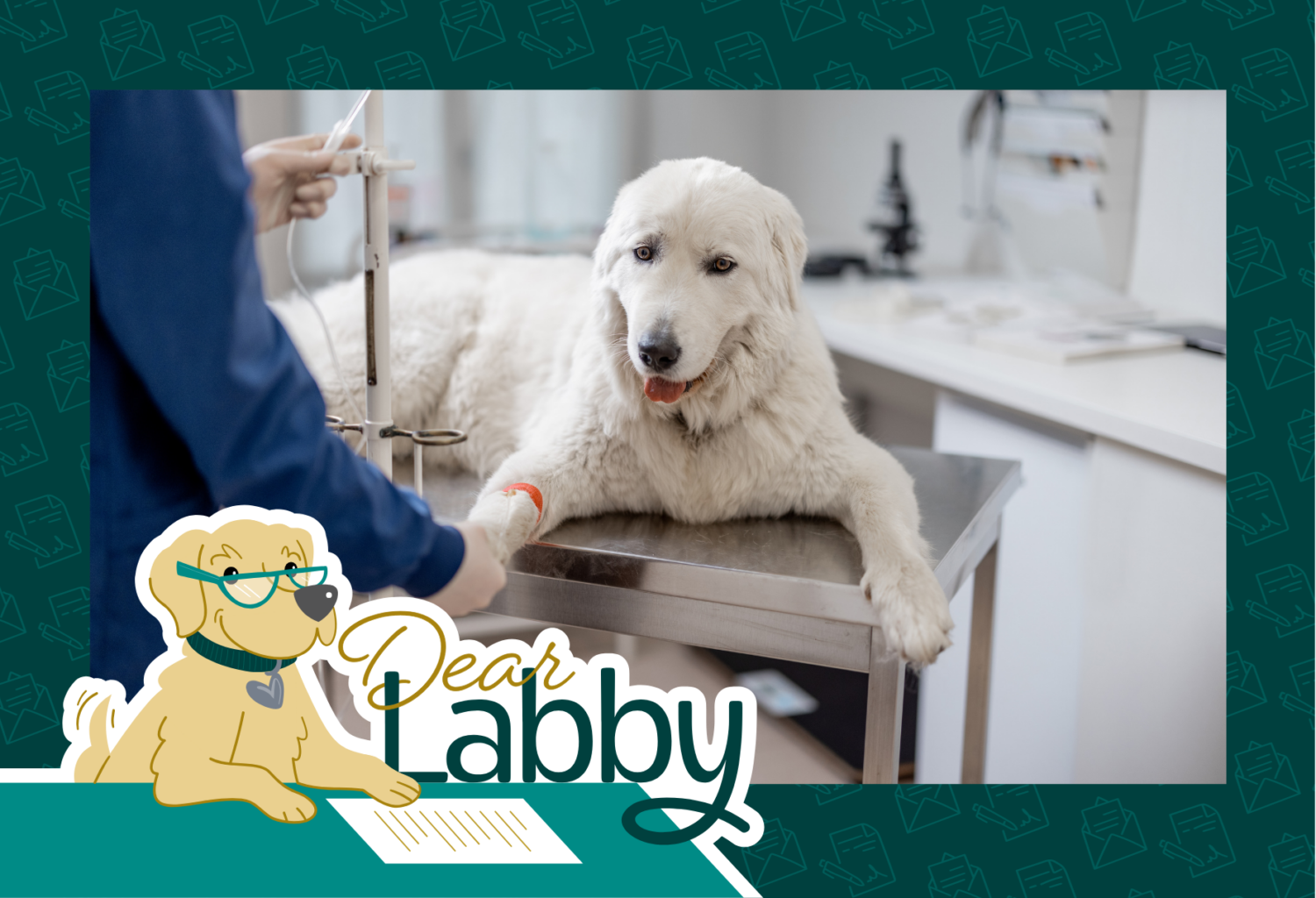
Ever struggle with communicating with clients about your cancer cases? Labby digs into the 2026 AAHA Oncology guidelines to offer helpful insights in this month’s Dear Labby.
Advertisement
Dear Labby,
Our team is really proud of their oncology skills, and rightfully so. We’re capable of handling diagnostics, staging, and treatment for many of our canine and feline cancer patients, only referring out for the most complex cases. The trickiest part for us, honestly, is the human element. Client communication about cancer is challenging in general, and when it comes to assuring clients that some side effects from treatments like chemotherapy are expected and manageable, well, we’re not as successful as we’d like to be—and that can result in clients opting out of further treatment for their pets.
How can we better communicate with our clients, especially in cases where chemo side effects are a concern? What can we do to fully earn their trust?
—Tumor Troubles in Toledo
Dear Tumor Troubles,
You’re absolutely right—communicating with clients about something as big, scary, and potentially life-changing as cancer is no joke. But that just makes it all the more important to ensure that you’re not only speaking clearly to them, but also hearing what they say, both with verbal communication and their body language—though cancer is no tail-wagging matter.
Remember, your team might see cancer cases frequently enough to feel fairly comfortable with the subject, but the client who just received this diagnosis about their beloved pet? Woof. You have no idea what their experience with cancer is. They may have lost loved ones to cancer, they might have seen friends go into debt seeking care for a family member with cancer, and they may even be a survivor themselves.
The point is, this isn’t just a scary diagnosis, but often a really emotional one, so the very first step is to make sure that someone on your team—maybe a technician with a strong oncology background—can sit and talk with these clients to truly understand their fears or concerns. Make sure this is a safe, judgement-free space, and know that the client might require some time to talk to their family before making major decisions. Think of it as a pill pocket for tough medicine to swallow—the approach helps with the outcome.
The 2026 AAHA Oncology Guidelines for Dogs and Cats addresses this within the “Client Communication” section:
Clients are more engaged in decision making when health care options are presented within a context of pros and cons, expected and unexpected outcomes, anticipated impact on patient diagnosis and prognosis, cost-benefit ratios, and possible additional patient support needs.
The guidelines also provide tips for engaging in these discussions, like using open-ended inquiry, reflective listening, transparency, and unconditional positive regard—or, in other words, being accepting of who the client is and meeting them where they are. Taking a little paws to listen really goes a long way during difficult conversations, as does sensitivity and understanding.
Once clients feel heard and fully comprehend what treatment options are available to their pet, they may opt in for treatment. That’s worth a tail wag or two, but this doesn’t mean the conversation is over. You must be extremely clear about expectations, both in terms of prognosis and potential side effects during the treatment.
The fact is, because you’ve been listening to the client’s concerns, you’ve begun to build that much-needed trust—just like a pet parent builds trust with their pup or kitten over time.
Now it’s time to lay it all out to ensure everyone is on the same page about what treatment might look like, as well as what you’ll be able to do if side effects are an issue.
Paw-sible side effects
Let’s take chemotherapy. Some pet parents will already know that, in general, dogs and cats tend to tolerate chemotherapy better than humans. This is particularly important information to impart to clients who’ve had personal experience with chemotherapy, as they may be reluctant to put their pet through the same thing they or a loved one experienced.
However, your team knows that patients’ fur might get a little frazzled, and they can still experience side effects like GI upset, decreased appetite, vomiting, diarrhea, fatigue, and more, depending on the drug(s) used.
Studies show that between 15-30% of dogs and 10-15% of cats undergoing chemotherapy experience side effects. They’re typically mild and can be managed with medical intervention, although 5-7% of cases do experience severe, life-threatening side effects requiring hospitalization.
Fortunately, because we know this, we can often get ahead of the issue with preventive medications to minimize the occurrence and duration of the side effects—after all, even the strongest pups and kitty cats need a little help through difficult diagnoses. Those GI side effects are typically self-limiting, lasting around three days—but if a client is not already aware of the possibility of these side effects, it can be hugely distressing.
In treatment, you want your clients to be sniffing around for signs of anything that might be off. Let clients know that you want to hear about any changes they notice in their pet’s eating habits and behavior, even if they’re hardly noticeable, because that gives you the best opportunity to get supportive measures on board quickly to help them feel better.
But in some cases, you may not want to wait for symptoms to be reported.
This is especially true when using drugs at high risk of causing GI upset, like doxorubicin or rabacfosadine. Because nausea is often the primary cause of decreased appetite, pretreatment with antiemetic drugs (like maropitant) may be advisable. Proactive use of appetite stimulants (like capromorelin or mirtazapine) can be useful, and even administering them at the very first sign of appetite loss can help. Antinausea medications may be needed concurrently to best manage the symptoms. No bones about it—anticipatory care can often be the best medicine.
Pain management
One side effect of cancer treatment can be particularly ruff, and must be handled effectively. Pain is an important topic to cover, since pain can arise from the disease itself, as a side effect of treatment, or from concurrent disease. Discussing the subtle signs of pain and ensuring clients understand that pets try to hide their pain is essential. Offering a multimodal approach (as found in the AAHA Pain Management Guidelines) is the best way to keep their pain controlled.
You can also help set your clients’ minds at ease by sending them home from their pet’s chemotherapy appointment with some “just in case” meds to help them avoid unnecessary discomfort or a trip to the ER if side effects crop up after hours. After all, any furry friend would choose nighttime cuddles over a late-night vet visit (*whine*).
Along with those medications, provide a clearly printed sheet of information detailing how to manage various side effects at home and proper usage of the provided medications. Sharing tips on how to encourage pets to eat, like providing small, frequent meals of palatable foods, is also wise.
Finally, make sure your client understands that, if the side effects are more severe than expected or don’t resolve, you can always adjust the chemotherapy dose, level up the supportive care, or delay chemotherapy. These options often resolve the problem, allowing you to continue treatment while still addressing the concerns.
Tumor troubles made easier
Although pets with cancer might not be batting at feather toys or wolfing down their favorite treats during treatment, they should still feel as comfortable as possible in the meantime—and that goes for the worried pet parents, too. Remember, chemotherapy isn’t only about controlling tumors and improving disease-free intervals. It’s also about maintaining—or, ideally, improving—the patient’s quality of life.
That’s why we must consider the client a part of the care team, which not only means educating them about what to expect, but listening to their concerns and valuing their updates. This approach builds trust with the client and gives your team the best shot at providing the pet with the best course of treatment possible.
Cancer might seem like an im-paw-sible diagnosis. But with the right approach and cooperation from the whole pack, pets can live long, healthy lives full of zoomies and tail wags long after treatment ends.
Photo credit: Ross Helen via Getty Images
Disclaimer: The views expressed, and topics discussed, in any NEWStat column or article are intended to inform, educate, or entertain, and do not represent an official position by the American Animal Hospital Association (AAHA) or its Board of Directors.
