Clinical
Emma Milne: The (many) problems with extreme conformation in dog and cat breeds
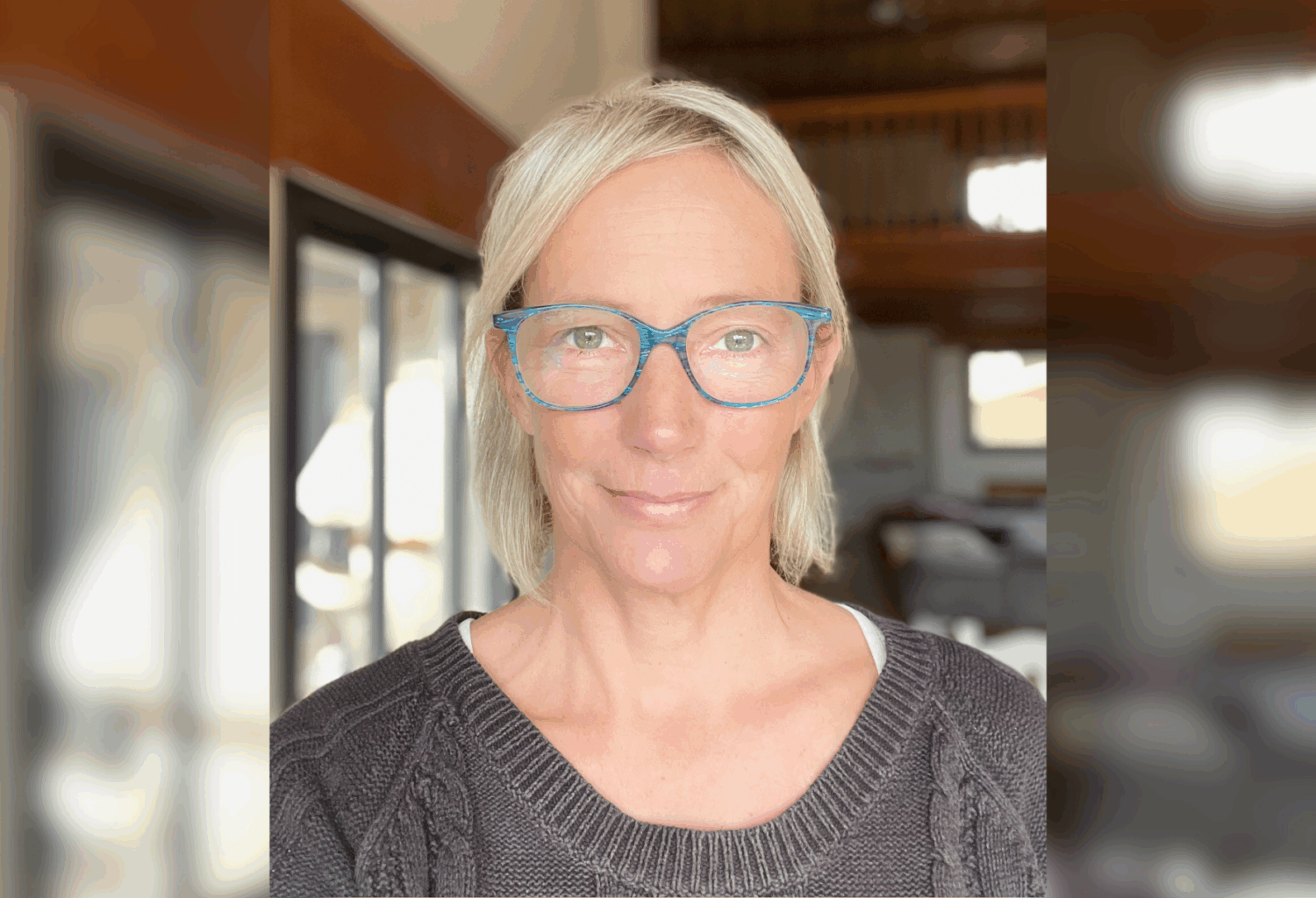
In this conversation with veterinarian, author, and animal welfare advocate Emma Milne, we discuss why breed conformation has gotten both more extreme and more popular in recent years—and what veterinarians can do.
Advertisement
For 30 years, Emma Milne, BVSc, FRCVS, has worked in veterinary medicine—and for 25 of those, she’s spoken out against extreme conformation in dog and cat breeds. She’s the first to say that things haven’t gotten better in that regard. (For the full conversation, see the video above.)
“I think it was in the 1960s that the WSAVA (the World Small Animal Veterinary Association) came out with a statement that said, basically, that extreme confirmation should be consigned to history, that we shouldn’t be breeding animals that are born to suffer,” Milne said. “And 50 or 60 years later, it’s got worse.”
She believes that’s in no small part to the prevalence of social media, celebrity culture, and society’s obsession with instant gratification.
“We live in a situation where people can have whatever they want, and social media, I think is a massive driver for that. We have this really in your face celebrity culture and I think cats have actually been one of the bigger victims of this,” she said.
Take, for example, Taylor Swift.
“We’re massive, massive Taylor Swift fans in my house—we went to see her last year. And I think she’s a brilliant female role model. She’s really strong. She’s really political. She’s just really very, very cool, from a female point of view,” Milne said. “But she’s got Scottish fold cats—that she loves, obviously—but there’s pictures of them everywhere. And from a veterinary point of view, for someone who campaigns on extreme confirmation, that’s disastrous.”
Along with Swift, Milne mentioned Ed Sheeran, who also has Scottish fold cats, and she added that others, like Dwayne “The Rock” Johnson and some of the popular footballers in the EU who have bulldogs or Frenchies.
“It feels like, in today’s culture, people want the quirkiest pets,” she said, “because, well, ‘attention seeking’ sounds horrible, but I think that’s sort of the fundamental driver for it. People don’t seem to be happy now to [just] have a cat or a dog.”
Why it’s such a problem
It used to be that, if people wanted a specific breed, there tended to be a long wait. They’d find the ad in the paper, contact the breeder, wait for the litter, wait for the puppy to be weaned. But today, with demand so high, supply from breeders has also increased. So, not only are more of these animals with traits tied to potentially crippling defects being born, but people are bringing them home much more quickly.
“Getting a puppy through a breeder [used to be] a really long process, and it gave you lots of time. I’ve often likened getting a puppy to buying a gun or getting a tattoo, you know? You need to have a cooling off period. You can’t make those decisions on an impulse,” she said. “And I think now we live in a generation where everyone can have what they want at the click of a button. There was a UK study done by the Kennel Club, I believe, that found that people spend longer choosing what shoes they’re going to buy than what puppy they’re going to buy.”
That means people are bringing home Scottish folds with zero clue that the cartilage defect that gives them those folded ears also causes crippling arthritis. They don’t realize that their pug’s smooshy face comes with a compressed nose and abnormal throat anatomy, which is likely to cause issues for the dog when it comes to breathing, gastrointestinal function, and cooling.
This is where that celebrity and influencer culture could make a big difference, she said.
“It would be great if we could just have someone [like Swift] say, ‘I bought this cat and I had no idea, and this is one of the biggest problems,’” Milne said. If fans only see the happy, attention-getting aspect of these pets, and then they get the rest of their information from clubs and breeders who promote that breed, they’re missing a crucial aspect of that breed’s story.
Client communication challenges
Milne, who founded Vets Against Brachycephalism, knows she’s not alone in her stance against extreme conformation, but she’s realistic about what a struggle it is to get pet parents to listen to education about these breeds.
She’s spoken to countless colleagues who’ve all shared a version of the same story: A friend or family member who has always followed their medical advice asks what they think about them getting a French bulldog puppy. The veterinarian says, “Good lord, no. Whatever you do, don’t get a French bulldog.” And then, of course, the individual brings home a French bulldog.
“If our friends are ignoring our advice and our family are ignoring our advice, it’s a real uphill battle to expect that prospective clients might listen,” she said.
She emphasized that, in terms of communicating with clients, it’s important to approach these conversations as being on the same team—whether they’ve already gotten the breed in question or not. That opens the door to educating them about the health issues that are prevalent in the breed, establishes a level of trust, and helps the client know that, even though you may not agree with their decision, you will always support their pet’s health.
Legislation and veterinary voices
The question is, given the current circumstances, what can we do?
On an individual level, aside from communicating with clients directly, Milne recommends looking for ways to speak out locally. One example could be a recurring radio spot, where you offer to answer pet health questions on air with the caveat that you are given a few minutes to discuss breed-related issues.
But that won’t be enough to turn the tide. To effect widespread change, Milne believes new laws are needed.
“It’s like smoking and drug taking and drunk driving. All the time that those animals are available to buy, we cannot blame people for buying them because, by the very nature of the fact that you can buy one implies that it’s OK,” she said.
Problems including loopholes and lack of enforcement exist, but still, Milne believes that ownership bans are the way to go. That way, she said, it doesn’t single out breeds particularly. “You could just say, ‘You are not allowed to have a cat that’s got folded ears,’” she said. “Then it doesn’t matter if you imported them like that, or if [the ears were] like that when you got them.”
Updated standards
Four new point-based Standards of Accreditation at AAHA aim to encourage member practices to have more conversations about microchipping and discourage them from offering nontherapeutic procedures like feline declawing, debarking, and ear cropping. Learn more about these new standards here.
Also, veterinary governing bodies, and even corporate groups, could take a stand and say they won’t crop ears or dock tails in their practices. It doesn’t stop other unaffiliated practices from doing it, but it helps to normalize the decision. And that doesn’t only benefit the pets, but it can also reduce moral distress on the part of the veterinary team.
Overall, Milne said, she would love to see veterinarians come together and use their voices on a global scale.
“Vets Against Brachycephalism has vets on it from 66 countries, I think, and organizations signed up that represent hundreds of thousands of vets all over the world,” she said. “I think we miss a lot of opportunities as a global profession to just get together with the brightest minds in that sphere and say, ‘Do you know what? This isn’t acceptable. You cannot breed a cat that has no fur, no whiskers, and no legs—which is the new dwarf bully cats, or whatever they’re being called. That cat is incapable of having a cat’s life, and to me, that is tangible suffering that is equivalent to being beaten on a daily basis.”
“So how can we, as a profession, not be shouting from the rooftops to lawmakers that this is absolutely unconscionable?” she asked. “The fact that we’re so silent is really upsetting to me.”
Photo credit: Emma Milne
Disclaimer: Trends™ content is meant to inform, educate, and inspire by providing an array of diverse viewpoints. Any content published should not be viewed as an official stance, position, or endorsement by the American Animal Hospital Association (AAHA) or its Board of Directors.
