Clinical
From the Guidelines: Kitten checklist
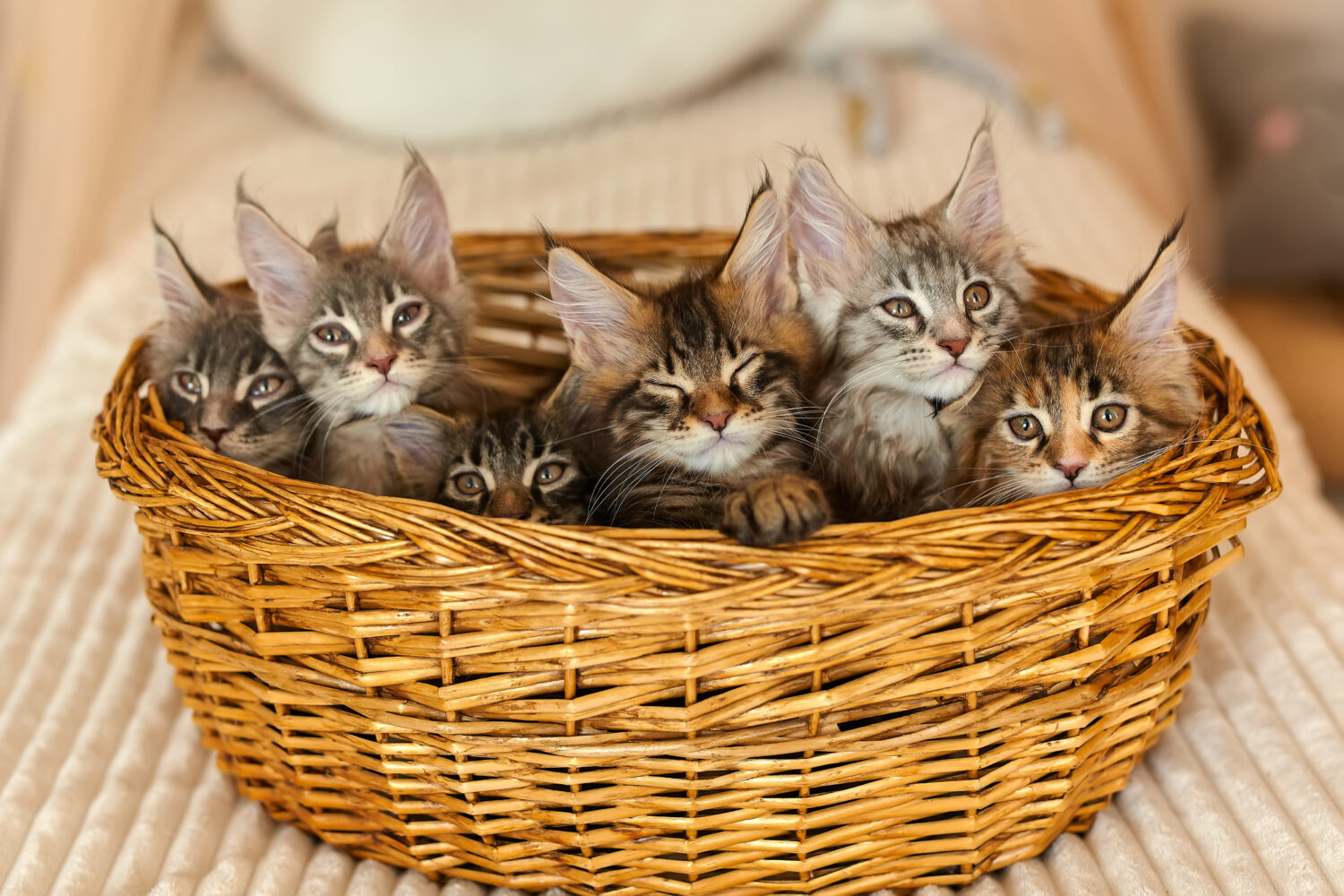
Kitten season is in full swing, with many kittens being born during the warmer months of the year. So it’s a great time to brush up on your kitten knowledge with the 2021 AAHA/AAFP Feline Life Stage Guidelines!
Advertisement
All cats need a thorough physical examination, especially those delightful bundles of fluff and fang known as kittens. The 2021 AAHA/AAFP Feline Life Stage Guidelines offer a wealth of information on what to look for, as well as what to discuss with clients during visits to the clinic. Below is an overview of the kitten-specific talking points that veterinarians should raise with clients.
To view the full checklist for kittens and all life stages, check out Table 2 of the Guidelines here.
Recommended talking points for clients with kittens (birth up to 1 year)
| Medical History | Examination Focus | Nutrition and Weight Management |
|---|---|---|
| • Discuss breed healthcare predispositions and congenital/genetic concerns | • Discuss congenital/genetic findings (murmurs, hernias, and dentition) | • Discuss diet, quantity being fed, intake amounts, and frequency of feeding Introduce variety of food flavors and textures Introduce food foraging toys and puzzles |
| • Discuss infectious disease |
| Behavior and environment | Elimination | Oral Health |
|---|---|---|
| • Discuss importance of: - Introducing kittens to various people and pets during the socialization period - Acclimating to handling, brushing, nail trimming, grooming, and medication administration - Acclimating to carrier, car, and veterinary visits | • Discuss litter box setup, cleaning, and normal elimination behavior | • Acclimate to mouth handling and brushing/wiping of teeth |
| • Discourage use of hands or feet as toys during play to avoid risk of future aggressive behavior | • Start with unscented clumping sand litter and/or the litter type the kitten was previously using | • Examine for malocclusion or developmental dental issues |
| • Encourage teaching cue/response, such as come or sit, using positive reinforcement | • Allow kittens to choose litter preference by offering a variety of litter types |
| Parasite control | Vaccination |
|---|---|
| • Assess risks of exposure based on lifestyle, geographic location, and travel | • FCV, FHV-1, FPV, FeLV, and rabies are considered core vaccines. The interval between the initial series vaccines varies depending on the infectious disease, age at initial vaccination, vaccine label, type of vaccine (inactivated, attenuated live, and recombinant), and route of administration (parenteral versus intranasal) |
| • Educate clients that even indoor-only cats have a real risk for parasitic infections | • FCV, FHV-1, and FPV revaccination is administered at 6 months of age |
| • Recommend year-round broad-spectrum antiparasitics with efficacy against heartworms, intestinal parasites, and fleas for all patients, regardless of indoor/outdoor status | |
| • Recommend tick control as indicated by risk assessment | |
| • Perform fecal examination as appropriate | |
| • Discuss and mitigate zoonotic risks |
AAHA’s veterinary practice guidelines offer the latest clinical and nonclinical guidance on a wide range of topics. From the Guidelines presents bite-sized nuggets of wisdom from these guidelines for the practice team to consider.
Photo credit: © InnaVlasova via iStock/Getty Images Plus
Disclaimer: Trends content is meant to inform, educate, and inspire by providing an array of diverse viewpoints. Any content published should not be viewed as an official stance, position, or endorsement by the American Animal Hospital Association (AAHA) or its Board of Directors.
