Clinical
Gems from the Guidelines: Working with working dogs
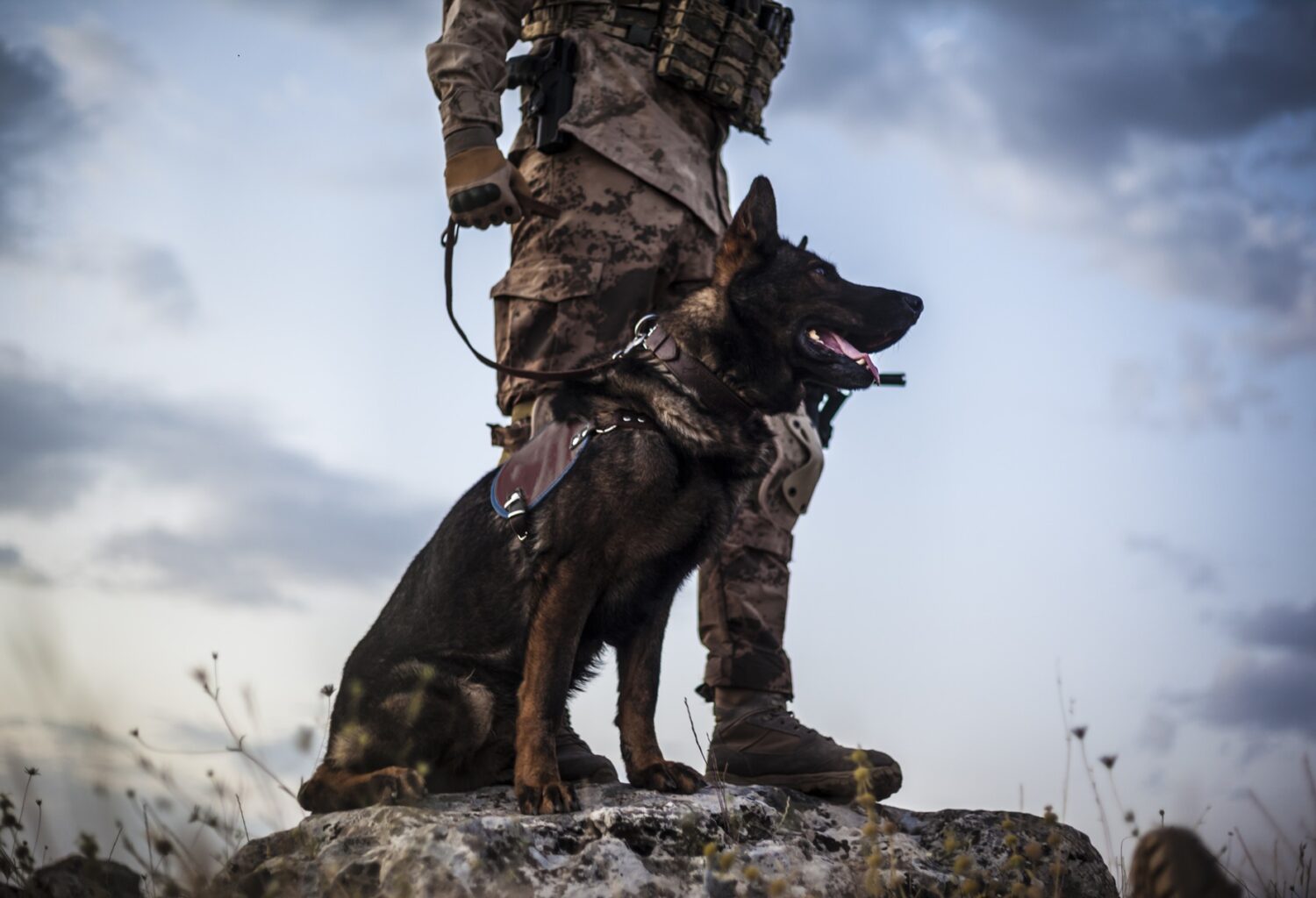
What would you do if you got a call about a working dog that needed care? If you’re not sure, AAHA has you covered with this quick guide from the AAHA Working, Assistance, and Therapy Dog Guidelines.
Advertisement
National K9 Veterans Day, observed each year on March 13, honors the service and sacrifices of U.S. military and working dogs. In recognition of these canine heroes, we offer you this quick starter guide to fielding calls from working dog handlers, straight out of the Working, Assistance, and Therapy Dogs Guidelines Toolkit.
So You Get a Call About a Working Dog…
 Step 1: TRIAGE
> Assess urgency
> Be prepared to refer asap
> Be ready to prioritize dog

Step 2: SCHEDULING
> Allow extra time
> Consider early or late in day
> Ask if dog needs sedation
> Alert team to special needs

Step 3: APPOINTMENT
> Low stress handling is critical
> Know this specific dog’s job
> Understand handler’s need to stay with dog
> No treats without asking

Step 4: DIAGNOSTICS
> Prioritize early intervention
> Do not separate dog from owner
> Agencies may need to be consulted
> Know unusual risk factors
Step 5: TREATMENT
> Be aware of medication side effects
> Be aware of breeding status
> Understand long and short term impact on work

Step 6: FOLLOW UP
> Be cognizant of owner needs for communication
> Communication is critical
> Document expected return to work
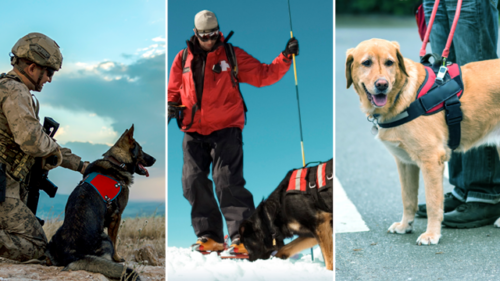
2021 AAHA Working, Assistance, and Therapy Dog Guidelines
Photo credit: © guvendemir via E+/Getty Images Plus
Disclaimer: Trends content is meant to inform, educate, and inspire by providing an array of diverse viewpoints. Any content published should not be viewed as an official stance, position, or endorsement by the American Animal Hospital Association (AAHA) or its Board of Directors. This article had editing assistance from an AI software.
