Clinical
H5N1: A feline case study and expert insights on managing cases in your practice
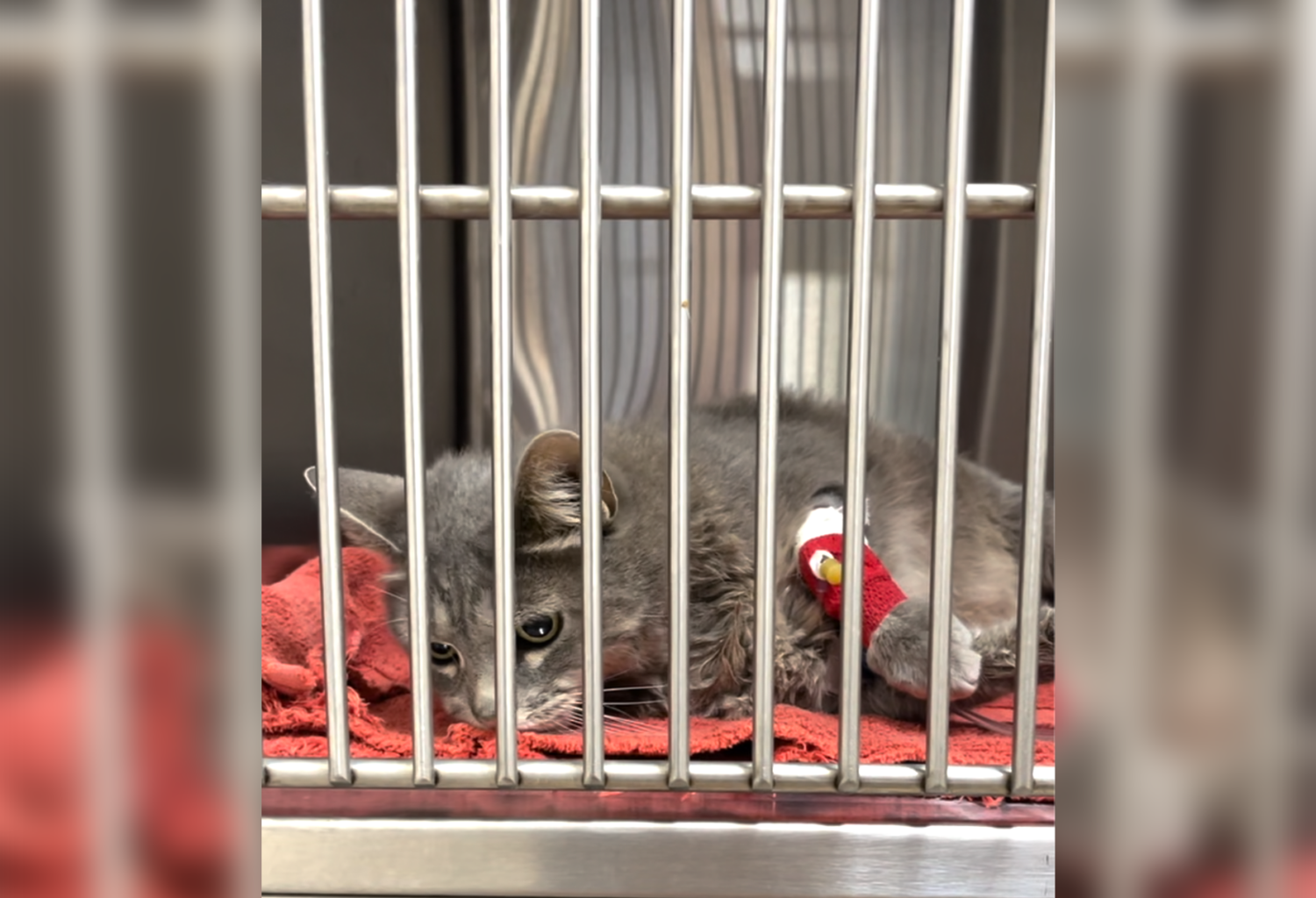
We’ll look at a case study regarding a 10-year-old spayed female domestic shorthair cat presented to a veterinary clinic in the western United States. We’ll also talk with several experts who will provide information and resources to help you manage feline H5N1 cases in your practice.
Advertisement
A long-time client calls, concerned about their 4-year-old cat, who just yesterday was healthy but is now “shaking.” The client is worried about the safety of their children and other animals and asks, “Could this be poisoning?” When they arrive at the clinic, you’re struck by the severity of signs – the cat is having tremors and is open-mouth breathing. As you review the cat’s medical history and perform a physical exam, you realize that this is more than just a puzzling clinical case—it could represent a broader health threat. As a veterinarian, you are often the first line of defense in identifying emerging infectious diseases. In this article, we’ll dive into a case study of H5N1 HPAI in a cat, highlighting the complexities of diagnosing emerging infections in otherwise healthy animals with a sudden onset of severe illness. We will also share insights from practicing veterinarians, epidemiologists, and infectious disease experts, along with resources to help manage these cases in your practice.
Case study:
(Details for case study contributed by Caitlin Kober, DVM, Blue Sky Animal Clinic)
Signalment and History
On July 12, 2024, A 10-year-old spayed female domestic shorthair cat presented to a veterinary clinic in the western United States with an acute history of seizures, hypersalivation, blindness, inappropriate urination, and vocalization. According to the owner, the cat spent 90% of her time outdoors on a three-acre residential property, where she hunted rodents. The cat had gone missing between June 30 and July 5, and again the night of July 10, just prior to the onset of clinical signs on July 11. The cat had a history of being vaccinated but was overdue by two years for her scheduled boosters, including for rabies. There was no travel history, and the cat had not been a recent addition to the household. The cat had interacted with 3 owned dogs and 11 backyard chickens, all of which appeared healthy. The property was located near neighbors who raise livestock, including beef cattle and goats, but there was no known contact with these animals. There was also no known contact with other domestic cats, consumption of raw dairy products, or access to dairy facilities.
Physical Examination Findings:
The cat presented to the clinic with the following abnormal physical examination findings:
- Body temperature: 104.4°F (fever)
- Blood pressure: WNL
- Oral: Hypersalivation
- Respiratory System: Increased respiratory effort
- Neurologic system: Obtunded, head tremors that intermittently progressed into full seizures, absent menace and pupillary light responses, intermittent vocalizations See a video of the patient here
The remainder of the physical examination was unremarkable.
Differential Diagnoses:
Given the cat’s indoor/outdoor lifestyle and acute onset of neurological signs, both toxicities and infectious diseases were key concerns.
Differential diagnoses for this cat included:
- Toxin exposure (ethylene glycol, rodenticides, plants, etc.)
- Rabies (patient was overdue on vaccination)
- Other infectious causes of encephalitis/meningitis (e.g., toxoplasmosis, fungal)
- Cranial neoplasia
Diagnostics:
The initial diagnostic approach focused on assessing systemic health, and included the following assays:
- Complete Blood Count – WNL
- Chemistry Panel – Hyperproteinemia, hyperalbuminemia, hyperglobulinemia, hyperglycemia, and elevated ALT
- Electrolyte Panel – WNL
- Urinalysis – USG >1.050, proteinuria (3+), mild hematuria, and occasional casts.
- Blood Glucose – WNL
Treatment:
The cat was hospitalized in the clinic. Supportive care was initiated, including IV fluid therapy and midazolam (2 doses) followed by levetiracetam.
Outcome/Definitive Diagnosis:
Over the course of the day, the cat’s condition continued to deteriorate despite supportive care, so the owners elected humane euthanasia that afternoon, on July 12. The cat was submitted for rabies testing. The veterinarian reported the case as a suspected rabies infection to an animal control officer, who advised contacting the local public health department.
Upon reaching out, the veterinarian learned that several outdoor cats had been presented to clinics that week with similar clinical signs. Public health officials noted concerns about possible toxin exposure and highly pathogenic avian influenza (HPAI) and recommended consulting the state veterinarian’s office for further guidance. Following their recommendation, the cat was also tested for HPAI and was confirmed positive for HPAI H5N1.
Insights from veterinarians and infectious disease experts on managing H5N1 HPAI in cats
This case serves as a sobering reminder that H5N1 HPAI virus is no longer just a concern for birds. With mounting reports of cases in mammals—including domestic cats—veterinarians are now on the frontlines of identifying and managing potential cases in their clinics.
This case also underscores the unique challenges of diagnosing and responding to emerging zoonotic diseases like H5N1. Clinical signs are often nonspecific, and exposure histories may be complex or incomplete, making early recognition of suspect cases and appropriate case management essential.
So, what should you be looking for? How should you approach testing, treatment, safety precautions, and mandatory reporting in your practice? To help navigate these challenges, we spoke with leading experts in veterinary medicine, infectious diseases, and epidemiology to share practical insights and resources on recognizing, diagnosing, and managing H5N1 in cats.
How does this strain of H5N1 HPAI present clinically in cats?
Cats infected with this H5N1 HPAI virus can exhibit a variety of nonspecific clinical signs, which depend on the affected organ system(s). According to Allison Kohnen,DVM, MPH, the State Public Health Veterinarian for the Colorado Department of Public Health and Environment, “these cats often present initially with lethargy, inappetence, and fever, followed by a rapid progression to severe depression and neurological and/or respiratory signs”, including:
- Neurologic signs:
- Ataxia
- Tremors/seizures
- Blindness
- Vocalization
- Respiratory signs:
- Difficulty breathing (dyspnea)
- Coughing (less common)
Ian Bemis, a PhD student at the University of Maryland’s Department of Veterinary Medicine and the School of Public Health, who conducted a systematic review of avian influenza virus infections in felines, noted that neurological involvement in H5N1 infections is often associated with higher fatality rates in infected cats. While most reported cases involve severe clinical signs and rapid death, some cats have survived the infection. Early reports indicated that on farms where cats were first diagnosed with H5N1, approximately 50% of exposed cats died. Recent information suggests that the case fatality rate for this strain of H5N1 in reported domestic cat cases may be significantly higher.
What diseases should be considered in the differential diagnosis?
A thorough history is essential when evaluating suspected H5N1 cases, as it helps identify potential risk factors* and guide the development of a differential diagnosis. Together with careful assessment of clinical signs, a detailed history allows you to prioritize diagnostic testing and initial steps in managing the case.
The following are key considerations for differentials in cats presenting with respiratory and/or neurologic signs, along with fever, lethargy, and inappetence. The prioritization of these differentials will shift based on the animal’s signalment and history.
| Differentials for Cats with Respiratory Signs | Differentials for Cats with Neurologic Signs | Differentials for Cats with Neurologic and Respiratory Signs |
| •Feline herpesvirus 1 (FHV-1)
•Feline calicivirus (FCV) •Feline infectious peritonitis (FIP) •H5N1 HPAI (strongly consider if there is acute onset, rapid clinical deterioration, severe disease, and/or history of risk factors*) •Bacterial pneumonia • Plague •Tularemia •Histoplasmosis •Toxoplasmosis •Neoplasia |
•Feline spongiform encephalopathy (rare)
•Rabies •FIP •H5N1 HPAI (strongly consider if there is acute onset, rapid clinical deterioration, severe disease, and/or history of risk factors*) •Toxoplasmosis •Feline lymphoma or other neurological malignancies •Toxicity (e.g., ingestion of neurotoxic substances) •Neoplasia |
•Rabies
•FIP •H5N1 HPAI (strongly consider if there is acute onset, rapid clinical deterioration, severe disease, and/or history of risk factors*) •Bacterial pneumonia with a secondary neurologic complication •Toxoplasmosis •Toxicity (e.g., organophosphates, pyrethrins, etc.) •Neoplasia |
*Reported risk factors for H5N1 infection in cats include consumption of raw or undercooked meat (particularly poultry), unpasteurized dairy products, and/or raw or freeze-dried foods; contact with infected wild birds or poultry; and interaction with livestock or environments contaminated by infected animals. Cats living in areas with frequent contact with affected farms or their workers (dairy and poultry), including contaminated clothing or fomites, are also at increased risk.
What are the key clinical presentations and risk factors for guiding decisions on testing and case management?
Sophia Papageorgiou, DVM, MPVM, PhD, the Veterinary Epidemiologist and Medical Director of the North Peninsula Veterinary Emergency Clinic, underscores the importance of a comprehensive assessment, including collecting detailed histories to guide diagnostics and case management. “When deciding whether to test a cat for H5N1, it’s important to consider both the clinical presentation and the patient’s history with regard to risk factors.”
She recommended considering the following key clinical presentations and risk factors:
- Clinical Presentation
-
- Acute onset of respiratory signs and/or neurologic signs (e.g., oculonasal discharge, dyspnea, ataxia, circling, tremors, seizures, blindness, and vocalization), especially in association with fever
- Severe disease and rapid clinical deterioration
- Risk Factors
-
- Multiple animals in the household are affected, suggesting common exposure (e.g., raw diet) or potentially infectious disease spread
- Cats residing on or near dairy operations, where exposure to infected livestock and wildlife (e.g., rodents), raw dairy products, or fomites is possible
- Owners associated with dairy activities, increasing the risk of indirect exposure via contaminated clothing, footwear, or fomites
- Consumption of raw foods, including raw or unpasteurized dairy products, raw poultry, and raw or freeze-dried commercial pet foods
- Outdoor access, including indoor cats that have escaped for a period of time and may have encountered infected wildlife (e.g., rodents, birds) or have had contact with outdoor cats
- Cats known to hunt or consume rodents or birds, as these species can serve as hosts for H5N1 transmission
- Contact with a known or suspected H5N1 case, whether in other animals or humans, including exposure to infected poultry, wild birds, or contaminated environments
How do you report suspected cat H5N1 HPAI cases?
H5N1 HPAI is a reportable disease. If you suspect H5N1 HPAI in one of your patients, contact your state public health veterinarian and state animal health official to report the suspected case and to seek specific guidance on testing and disease control in your area.
What options are available for testing for H5N1 HPAI in cats?
Testing is conducted via PCR-based techniques and is performed at laboratories within the National Animal Health Laboratory Network (NAHLN) which often also serve as the state veterinary diagnostic laboratories. Confirmatory testing and characterization of viral strains is performed at the National Veterinary Services Laboratory. If you suspect H5N1 infection in a cat, contact your state public health veterinarian for specific guidance on testing options in their area.
For antemortem testing in cats, Jane Sykes, BVSc(Hons), PhD, MPH, MBA, FNAP, DipACVIM
Professor of Small Animal Internal Medicine (Infectious Diseases) at the UC Davis School of Veterinary Medicine, recommends collecting blood, oropharyngeal swabs, and urine samples. For post-mortem testing, the carcass should be submitted to an NAHLN laboratory for both H5N1 and rabies (in cases with neurological signs) testing. She emphasized that rabies should be a primary concern in cats displaying neurological signs and fever, especially if they are not vaccinated or not up to date on their rabies vaccination. Dr. Sykes also advised consulting the laboratory for specific guidelines on sample collection, including appropriate sample types, containers, and shipping requirements, as well as necessary biosafety precautions.
Currently, rapid in-clinic H5N1 tests are not recommended for use in cats, as their accuracy has not been validated in this species. These tests may not provide reliable results and could lead to false positives or negatives. Serological tests, such as ELISA assays, can provide insights into past or subclinical exposures in cats, but are not used for clinical testing.
How do you manage a feline H5N1 HPAI case?
If you are caring for a suspected or confirmed case, it is important to take precautions to protect yourself, your staff, and other patients in your clinic. Dr. Papageorgiou emphasizes the importance of safeguarding staff, stating, “Be sure to use PPE for suspected cases coming into your clinic, especially when working in a fast-paced emergency medicine environment.”
She also advised that staff should be trained to recognize risks and implement proper infection prevention and control measures for suspected cases. The Minnesota Department of Health has published guidance on infection prevention and control for veterinarians and veterinary staff who are working in close contact with companion animals that are suspected of or confirmed to be infected with H5N1. The guidance includes helpful information on infection prevention and control precautions for your clinic, including triage questions to be asked upon scheduling appointments to identify suspected cases, approaches for isolating suspected and confirmed cases, and the use of personal protective equipment (PPE) and dedicated equipment to protect staff and patients.
Similarly, the CDC outlines specific PPE recommendations for handling suspected or confirmed cases, including:
- Fluid-resistant coveralls or gowns*
- NIOSH approved N-95 respirator,
- Goggles or face shield**
- Boots or boot covers
- Head covering
- Nitrile gloves
* Preferably, fluid-resistant coveralls should be constructed of material that passes:
- AATCC 42 ≤ 1 g and AATCC 127 ≥ 50 cm H2O or EN 20811 ≥ 50 cm H2O; or
- ASTM F1670 (13.8 kPa); or
- ISO 16603 ≥ 3.5 kPA
** Preferably, safety goggles should conform to ANSI Z87.1 that are marked at least Z87 D3
There is no specific treatment for H5N1 in cats, and management primarily focuses on supportive care to manage clinical signs and prevent complications. Depending on the severity of illness, treatment may include intravenous fluids, oxygen therapy, nutritional support, and antibiotics for secondary infections. There are no antiviral therapies approved for treating H5N1 in cats. Dr. Sykes noted that “Off-label use of antivirals like oseltamivir is not recommended, as its efficacy in cats is uncertain and extrapolating antiviral drug dosages from human dosages poses risks for potential toxicity”.
It is also important to be aware of how your state handles cremains or the return of bodies for burial in cases of H5N1. Due to the zoonotic risk, clients may not be able to receive their pets’ remains after euthanasia or death from H5N1. Having this information in advance allows you to better prepare your clients during discussions about euthanasia and death in these cases.
Are there official guidance documents or guidelines for veterinarians or animal caretakers?
Several state health departments have issued guidelines for veterinarians and provided resources for animal caretakers managing pets suspected or confirmed to be infected with H5N1 HPAI, including the following:
Minnesota Department of Health
- Influenza A(H5N1) Infection in Companion Animals: Guidance for Veterinary Clinics from Minnesota Board of Animal Health and Department of Health
- Influenza A(H5N1) Infection in Companion Animals – Guidance for Pet Owners
Colorado Department of Public Health & Environment, Communicable Disease Branch
California Department of Public Health
- What Veterinarians Need to Know about Bird Flu
- Testing and Management of Cats for Influenza: Guidance for Veterinarians
- Veterinary Provider Letter Influenza A Testing in Cats
Centers for Disease Prevention and Control
Key Takeaways
- Maintain a high index of suspicion for H5N1 in cats with acute onset, severe respiratory and/or neurological signs and/or risk factors in the cat’s history.
- Ensure staff are trained to recognize risks and implement proper infection control measures for suspected cases. Reception should triage incoming cases to assess potential risks before the animal enters the clinic.
- Take precautions when handling and caring for ill patients to prevent infection and transmission of H5N1 to staff and other patients.
- Reporting suspected HPAI cases is mandatory. Promptly contact your state public health veterinarian and state animal health official to report the suspected case and to seek specific guidance on testing and disease control in your area.
- Testing is conducted via PCR-based techniques and is performed at laboratories within the National Animal Health Laboratory Network (NAHLN). Contact your state public health veterinarian for guidance on testing options in your area.
- In cases involving neurologic signs where the animal is deceased or euthanized, conduct rabies virus testing. Advise cat caretakers of the importance of keeping cats up to date on rabies vaccination.
- Educate animal caretakers on risk factors for H5N1 infections in cats, including consumption of raw/unpasteurized milk and raw or freeze-dried foods as well as roaming outdoors with access to wild birds, rodents, or poultry flocks (including backyard poultry).
How can I learn more about H5N1?
Webinars/Conferences:
For more information on this topic, check out our recent AAHA webinar on H5N1 in cats. In addition, veterinarians wanting to stay informed can register (remote and in-person options) to attend a panel discussion at the UC Davis on the Road: Surf’s Up Spring Conference in San Diego where experts will provide tips on how to protect yourself and your team members from H5N1 and other zoonotic diseases.
Other Resources and Further Reading:
APHIS/USDA HPAI Detections in Mammals
APHIS/USDA Avian Influenza Detections in Po
APHIS/USDA Avian Influenza Detections in Wild Birds
CDC Summary of Avian Influenza
CDC Information for Workers Exposed to H5N1 Bird Flu
Cornell University Highly Pathogenic Avian Influenza (Bird Flu) Resource Center
