HAB-py tails: Heartwarming examples of the human-animal bond
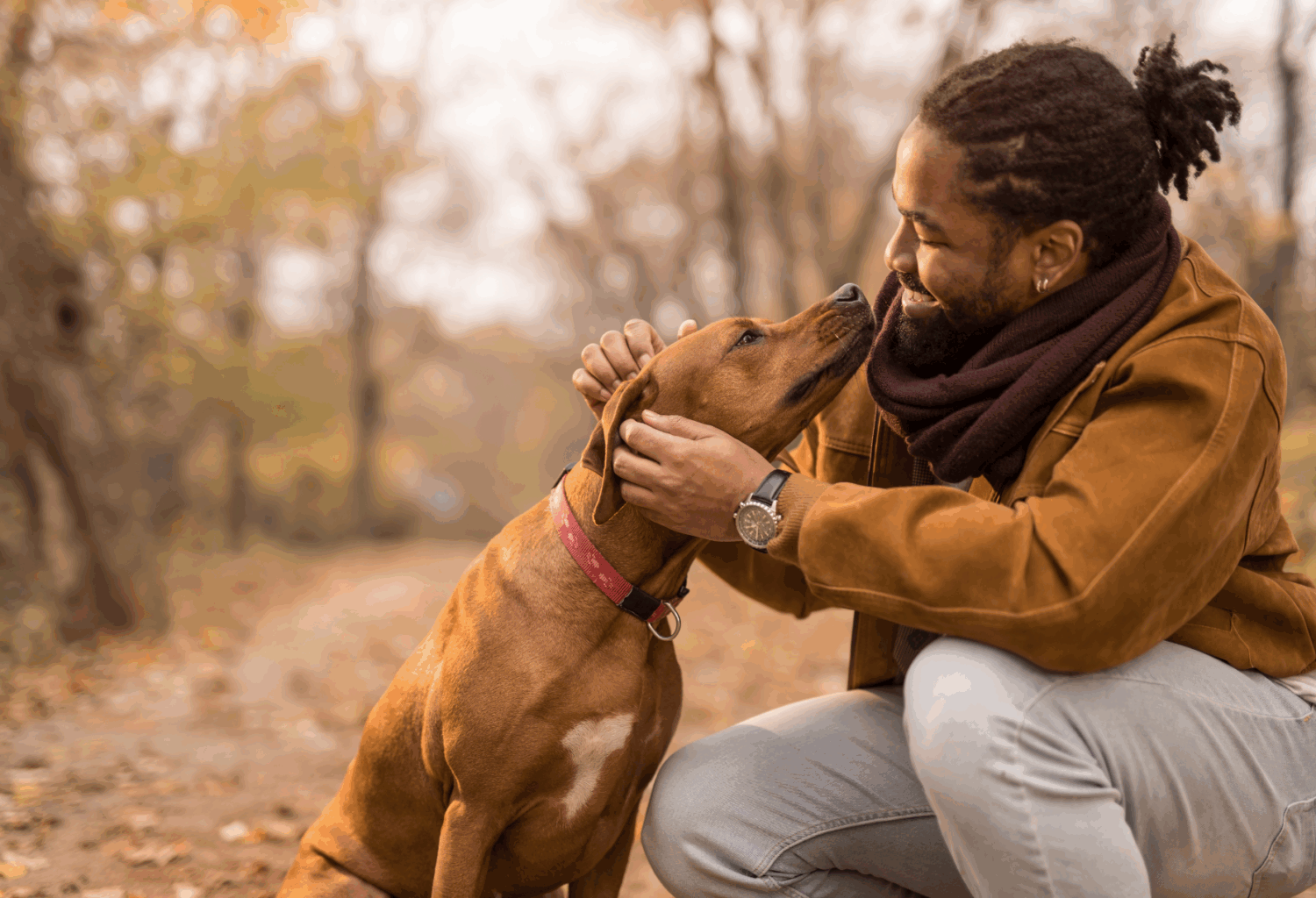
There’s nothing quite like a touching example of the human-animal bond to remind folks why they went into veterinary medicine. With that in mind, we hope you enjoy this heartwarming round up of stories showcasing just how strong that bond can be.
Advertisement
Caring for animals—and the people who love them—is a major reason why many people go into the challenging but rewarding field of veterinary medicine. With that in mind, we hope that the following stories illustrating the power of the human-animal bond (HAB) provide you with a little extra inspiration the next time the daily grind begins to get to you.
(Got a suggestion for a story to include in our next HAB-py tails round up? Send it over to [email protected]!)
Dogs and cats may slow cognitive decline in humans
Preserving cognitive function as we age is a top priority for many people, and there’s no shortage of advice aimed at helping us achieve that. Exercise! Eat salmon and berries and leafy greens! Do crosswords and Sudoku!
But a recent study published in Scientific Reports shows that having a furry friend, such as a cat or dog, in late adulthood may have a positive influence on cognitive functioning and reducing cognitive decline. An examination of 18 years’ worth of data representing over 16,500 people aged 50 and over, around 40% of whom had pets, found that:
- dog owners showed a slower decline in memory.
- cat owners showed a slower decline in verbal fluency.
When you add these benefits to the previously studied mental and physical health benefits of having a pet (like stress reduction, improved heart health, and more), there’s little room to argue against the fact that our feline and canine companions are more than earning their daily kibble.
Hero dog leads deputy to grandmother
In even better news, you don’t necessarily even need a dog of your own to experience some benefits, as a Florida woman found when she became injured while walking her granddog, Eeyore.
Her husband called 911 when she didn’t return in a timely manner from walking Eeyore one night. As the deputy cruised the area, Eeyore ran up to her patrol car. The deputy asked him, “Where’s your mommy?” and Eeyore led her directly to his grandmother. “He wouldn’t leave. He kept coming back,” the woman said.
As you might expect, all parties involved agreed that Eeyore was a very, very good boy.
Veteran leaves no dog behind
Kwane Stewart, DVM, known as The Street Vet, reconnected with an unhoused veteran and his dogs, Princess Leia and Coco. The veteran had previously told Stewart that he prioritized his commitment to his dog over shelter for himself, saying, “I’m not going to give them up just so I can be comfortable. What about them?”
In this remarkable reunion, Stewart hooked the veteran up with a roomy new ride and assured him that they would work on securing housing for him, knowing that he hadn’t been working because he didn’t have a safe place for his dogs while he was gone. Since that day, the veteran has taken on a full-time security job, and he and his dogs have a home.
(PS: Keep an eye on Trends next week, when our podcast episode featuring Stewart airs!)
Therapy dogs join the crowd at the New York City Marathon
If you’ve ever run a major race, you might know that the pre-race jitters can be real. But this year’s New York City Marathon on November 2 didn’t only have 55,000 runners at the start line; it also had a team of therapy dogs.
New York Therapy Animals has brought their therapy dogs to NYC for this event for nine years now, and this year, the team consisted of 15 dogs. They remain in a secure area where runners can stop by for a snuggle before setting off for their 26.2 mile jog, and the dogs worked a rotating schedule to ensure they remained comfortable, too.
A team of happy dogs seems like a solid incentive to get folks to the start line, but we’ve got to be honest—it’s the finish line where we can see them really being needed.
Girl, really?
Considering the strength of the human-animal bond so many of us experience, maybe it’s no surprise that, sometimes, that bond can come with a side(eye) of judgement—especially with female dogs.
A study from back in 2022 found that female dogs were more capable of noticing human incompetence than male dogs, and that they preferred humans who exhibited competence. The study used the example of opening a jar, including both empty jars and jars with food, and the results showed that the female dogs watched the study subjects struggle for longer, then showed clear preference for subjects who managed to open the jar.
New pets and mental health online resource center
A new resource center full of information and tools that showcase the benefits our pets provide to our mental health is now available online, thanks to the Human Animal Bond Research Institute (HABRI) and Mental Health America (MHA).
The Pets and Mental Health Resource Center aims to provide helpful resources to pet owners, folks considering bringing a pet into their home, and individuals interested in pet-related therapy. It provides an easy link to a free, confidential mental health test, shares some of the key benefits of having a pet, offers tips for preparing your home and family for a new pet, and more.
We hope these stories put a smile on your face and a spring in your step. After all, a few minutes of joy is the least we can offer, given all the work you do every day in supporting the human-animal bond!
Photo credit: DjelicS via E+/Getty Images
Disclaimer: The views expressed, and topics discussed, in any NEWStat column or article are intended to inform, educate, or entertain, and do not represent an official position by the American Animal Hospital Association (AAHA) or its Board of Directors.
